The quest for radiant, even-toned skin is a timeless pursuit, and in this journey, various remedies have emerged. One such treatment is hydrogen peroxide, often touted for its potential skin-whitening properties. This comprehensive guide delves into the use of hydrogen peroxide for skin whitening, exploring its mechanisms, application methods, safety considerations, and alternative options. Whether you’re a skincare novice or a seasoned enthusiast, this guide provides the insights you need to make informed decisions about your skincare routine. It is essential to approach this topic with caution and always prioritize your skin’s health and safety.
What is Hydrogen Peroxide and How Does It Work for Skin?
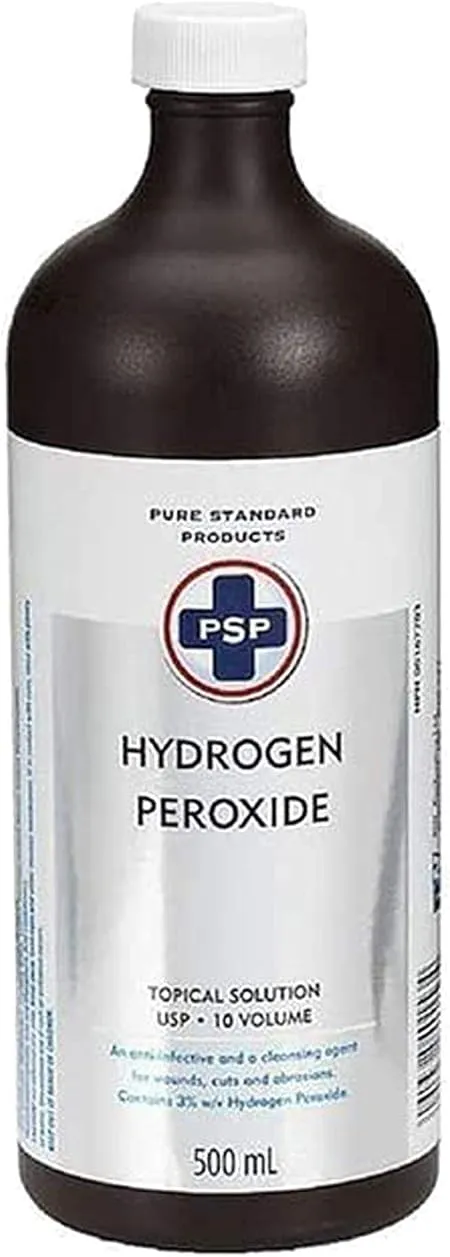
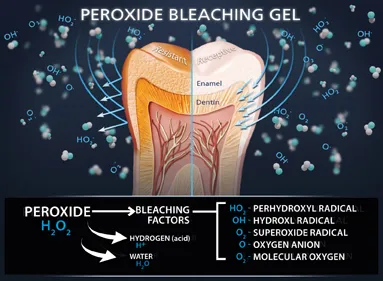
Hydrogen peroxide (H2O2) is a chemical compound, a colorless liquid with a slightly sharp, bitter taste, and it’s a simple compound made of hydrogen and oxygen. It is commonly used as an antiseptic, disinfectant, and bleaching agent. Its oxidizing properties are responsible for its various applications, including its potential use in skin whitening. When applied to the skin, hydrogen peroxide can break down into water and oxygen. The oxygen released can interact with melanin, the pigment responsible for skin color, potentially lightening the skin. However, it’s crucial to understand that the efficacy and safety of hydrogen peroxide for skin whitening are subjects of ongoing debate and research. The concentration of hydrogen peroxide, frequency of use, and skin type are important factors to consider.
Understanding Hydrogen Peroxide
Hydrogen peroxide is available in different concentrations. The common household concentration is 3%, used for disinfecting minor cuts and scrapes. Higher concentrations, often found in industrial settings, are not safe for direct skin contact. Always use the recommended dilution when considering hydrogen peroxide for skin whitening. It is crucial to understand that the oxidizing properties of hydrogen peroxide can also cause irritation and damage to the skin if not used correctly. When used for cosmetic purposes, it’s recommended to dilute hydrogen peroxide properly, as the higher concentrations can be harmful. Always consult with a dermatologist or a healthcare professional before using hydrogen peroxide for any skin treatment to ensure safety and effectiveness.
How Hydrogen Peroxide Affects Skin

When hydrogen peroxide is applied to the skin, it can interact with melanin, the pigment that gives skin its color. The oxidizing action of hydrogen peroxide can potentially lighten the skin by breaking down or dispersing melanin. This process is why hydrogen peroxide is sometimes used in cosmetic applications, like hair bleaching. However, this effect isn’t exclusive to melanin; it can affect other skin cells and tissues, which can lead to irritation, redness, and, in some cases, more severe reactions. Moreover, the effectiveness of hydrogen peroxide for skin whitening can vary depending on several factors, including the concentration of the solution, the duration of application, and the individual’s skin type and sensitivity. The long-term effects of using hydrogen peroxide on the skin are not fully understood, making it crucial to use it with caution.
The Science Behind Whitening
The science behind skin whitening using hydrogen peroxide involves the oxidation of melanin. Melanin is produced by melanocytes and protects the skin from sun damage. Hydrogen peroxide, as an oxidizing agent, can interact with melanin molecules. This interaction may lead to their breakdown or alteration, resulting in a lighter skin tone. However, this process isn’t always uniform, and the results can vary widely. The degree of whitening depends on several factors, including the concentration of hydrogen peroxide used, the frequency of application, and the individual’s skin characteristics. Furthermore, the effectiveness of hydrogen peroxide in skin whitening is less pronounced compared to other specialized skin-lightening agents. It is important to remember that the skin whitening process should be approached cautiously, considering potential risks like skin irritation, sensitivity, and long-term health concerns.
Using Hydrogen Peroxide for Skin Whitening — Step by Step
If you’re considering using hydrogen peroxide for skin whitening, it’s essential to follow a careful step-by-step approach to minimize risks and maximize potential benefits. Before starting any treatment, a patch test is crucial. Choose a small, inconspicuous area of skin, like behind the ear or on the inner arm, and apply a diluted solution of hydrogen peroxide. Monitor the area for any signs of irritation, redness, or allergic reaction for at least 24 hours. If no adverse reaction occurs, you can proceed to apply it to larger areas. Always start with a very diluted solution, typically 1% or less. Apply the solution to clean, dry skin using a cotton ball or pad. Avoid contact with the eyes, mouth, and other sensitive areas. Leave the solution on the skin for a short period, initially 1-2 minutes, and then rinse thoroughly with cool water. Pat the skin dry gently. Repeat this process once or twice a week, monitoring your skin’s reaction. If you experience any irritation, discontinue use immediately and consult a dermatologist.
Preparing Your Skin for Treatment

Before using hydrogen peroxide, proper skin preparation is key. Start with a gentle cleanser to remove any dirt, oil, and makeup. Avoid using harsh scrubs or exfoliants before treatment, as they can increase skin sensitivity. Ensure the skin is completely dry before applying hydrogen peroxide. This helps the solution to penetrate the skin effectively. Consider using a toner that suits your skin type to balance the skin’s pH level. This can help minimize irritation. Always perform a patch test before applying hydrogen peroxide to larger areas. This will help you determine if your skin is sensitive to the product. Protect your skin from the sun, as hydrogen peroxide can increase sensitivity. Apply a broad-spectrum sunscreen with a high SPF during the day. Regularly moisturize your skin to keep it hydrated and healthy.
Dilution and Application Methods
Dilution is paramount when using hydrogen peroxide for skin whitening. Always dilute hydrogen peroxide to a concentration of 1% or less before applying it to your skin. You can achieve this by mixing 3% hydrogen peroxide (the common household concentration) with distilled water. For example, mix one part of 3% hydrogen peroxide with two parts of distilled water to create a 1% solution. Always measure the solutions accurately. Use a cotton ball or pad to apply the diluted solution to the skin gently. Avoid applying the solution to your eyes, mouth, or any sensitive areas. Start with short application times, and gradually increase the duration if your skin tolerates it well. After application, rinse the skin thoroughly with cool water. Avoid using harsh soaps or cleansers immediately after using hydrogen peroxide. Gently pat your skin dry with a soft towel and moisturize it to keep it hydrated.
Safety Precautions and Patch Testing
Prioritizing safety is crucial when using hydrogen peroxide for skin whitening. Always start with a patch test. Apply a diluted solution of hydrogen peroxide to a small, inconspicuous area of skin, such as behind your ear or on your inner arm, before using it on larger areas. Monitor the test area for any signs of irritation, redness, itching, burning, or swelling for at least 24 hours. If you experience any adverse reactions, discontinue use immediately and consult a dermatologist. Use only diluted hydrogen peroxide solutions, typically 1% or less, to minimize the risk of skin damage. Avoid contact with your eyes, mouth, and other sensitive areas. Use hydrogen peroxide only on clean, dry skin. Do not mix hydrogen peroxide with other chemicals, as this can cause dangerous reactions. Protect your skin from sun exposure during and after the treatment. Always consult a healthcare professional before using hydrogen peroxide for skin whitening, especially if you have any skin conditions or sensitivities.
Potential Side Effects and Risks

While hydrogen peroxide may offer skin-whitening potential, it is essential to be aware of potential side effects and risks. The most common side effects include skin irritation, redness, burning, and itching. These reactions can be more likely if the concentration of hydrogen peroxide is too high or if the skin is sensitive. In some cases, more severe reactions, like blistering or chemical burns, can occur. Prolonged or excessive use of hydrogen peroxide can lead to skin damage, causing dryness, peeling, and increased sensitivity to the sun. There is also a risk of allergic reactions, though these are less common. Hydrogen peroxide can also alter the skin’s natural pH balance, potentially leading to other skin problems. It is also important to acknowledge that the long-term effects of using hydrogen peroxide on the skin are not fully understood, which underscores the importance of caution and moderation. Always consult a dermatologist or healthcare professional if you experience any adverse effects or if you have concerns about using hydrogen peroxide for skin whitening.
Common Side Effects and How to Manage Them
Understanding the common side effects of hydrogen peroxide and how to manage them is vital for safe use. Skin irritation is the most common side effect, often presenting as redness or mild burning. To manage irritation, dilute the hydrogen peroxide further, shorten the application time, or stop using it altogether. Itching is another common side effect. If you experience itching, discontinue use and consult a dermatologist. Dryness and peeling can also occur. Moisturize your skin regularly with a gentle, fragrance-free moisturizer to combat dryness. Increased sun sensitivity is a potential risk. Always use a broad-spectrum sunscreen with a high SPF to protect your skin from the sun. If you experience any severe reactions, like blistering or severe burning, seek medical attention immediately. Always perform a patch test before full application to identify any potential adverse reactions. If you have sensitive skin, it is recommended to avoid using hydrogen peroxide and consider alternative options.
When to Avoid Hydrogen Peroxide for Whitening
There are certain situations where avoiding hydrogen peroxide for skin whitening is advisable. If you have sensitive skin or are prone to allergic reactions, it is generally safer to avoid using hydrogen peroxide, as it can cause irritation or allergic reactions. Those with existing skin conditions, such as eczema, psoriasis, or rosacea, should also avoid hydrogen peroxide, as it can worsen their condition. Open wounds or broken skin should not be treated with hydrogen peroxide, as it can cause further damage and delay healing. If you are pregnant or breastfeeding, consult with a healthcare professional before using hydrogen peroxide, as the effects on the developing fetus or infant are unknown. If you are taking any medications that increase skin sensitivity, avoid using hydrogen peroxide. Any individual who experiences any adverse reactions, such as severe irritation, burning, or blistering, should stop using hydrogen peroxide immediately and seek medical advice. It is always better to err on the side of caution and consult a dermatologist or healthcare professional for personalized advice.
Alternatives to Hydrogen Peroxide for Skin Whitening
If you are looking for alternatives to hydrogen peroxide for skin whitening, there are various other options to consider. Topical creams containing ingredients like hydroquinone, kojic acid, or vitamin C can help lighten the skin by inhibiting melanin production. Chemical peels using alpha-hydroxy acids (AHAs) or beta-hydroxy acids (BHAs) can exfoliate the skin, promoting cell turnover and reducing the appearance of dark spots. Laser treatments, such as laser toning or IPL (intense pulsed light) therapy, can target melanin and reduce hyperpigmentation. Natural remedies, such as lemon juice, aloe vera, and turmeric, are sometimes used for skin whitening, but their effectiveness varies, and it’s essential to use them with caution. Sun protection is crucial regardless of the chosen method. Using a broad-spectrum sunscreen with a high SPF helps prevent further darkening and protect the skin from sun damage. Always consult a dermatologist to determine the most appropriate and safe method for your skin type and concerns.
Other Effective Whitening Methods
Apart from hydrogen peroxide, several other effective methods can help lighten and brighten your skin. Hydroquinone, a prescription-strength ingredient, is a well-known skin-lightening agent, but it should be used under the supervision of a dermatologist due to potential side effects. Kojic acid is a natural ingredient that inhibits melanin production and can be found in various skincare products. Vitamin C is a potent antioxidant that helps brighten the skin and reduce the appearance of dark spots. Chemical peels, using AHAs or BHAs, exfoliate the skin, promoting cell turnover and reducing hyperpigmentation. Laser treatments, like IPL or laser toning, can target melanin and reduce dark spots. Regular use of sunscreen is essential to protect the skin from sun damage and prevent further darkening. Always consult a dermatologist to determine the best methods for your skin type and concerns, and always follow their professional advice.
Maintaining Skin Health After Whitening
Maintaining skin health is essential, especially after any skin-whitening treatment. Sun protection is crucial. Use a broad-spectrum sunscreen with a high SPF every day to prevent further darkening and protect your skin from harmful UV rays. Continue to use a gentle cleanser to remove impurities without causing irritation. Regularly moisturize your skin to keep it hydrated and healthy. Avoid harsh scrubs or exfoliants, as they can damage your skin barrier, especially after a whitening treatment. Incorporate antioxidants into your skincare routine, such as vitamin C serums, to protect your skin from free radical damage. Stay hydrated by drinking plenty of water to maintain your skin’s elasticity and overall health. Eat a healthy diet rich in vitamins and minerals to support skin health from the inside out. Schedule regular check-ups with a dermatologist to monitor your skin’s health and address any concerns.
In conclusion, while hydrogen peroxide has been explored for its potential skin-whitening properties, its use requires a cautious and informed approach. Understanding its mechanisms, following proper application methods, prioritizing safety precautions, and being aware of potential side effects are critical. Always consult with a dermatologist or healthcare professional to determine the most suitable and safe skincare routine for your skin type and concerns. Remember, the pursuit of healthy, radiant skin is a journey, and making informed decisions based on evidence-based information is the best way to achieve your desired results while preserving your skin’s health and integrity.