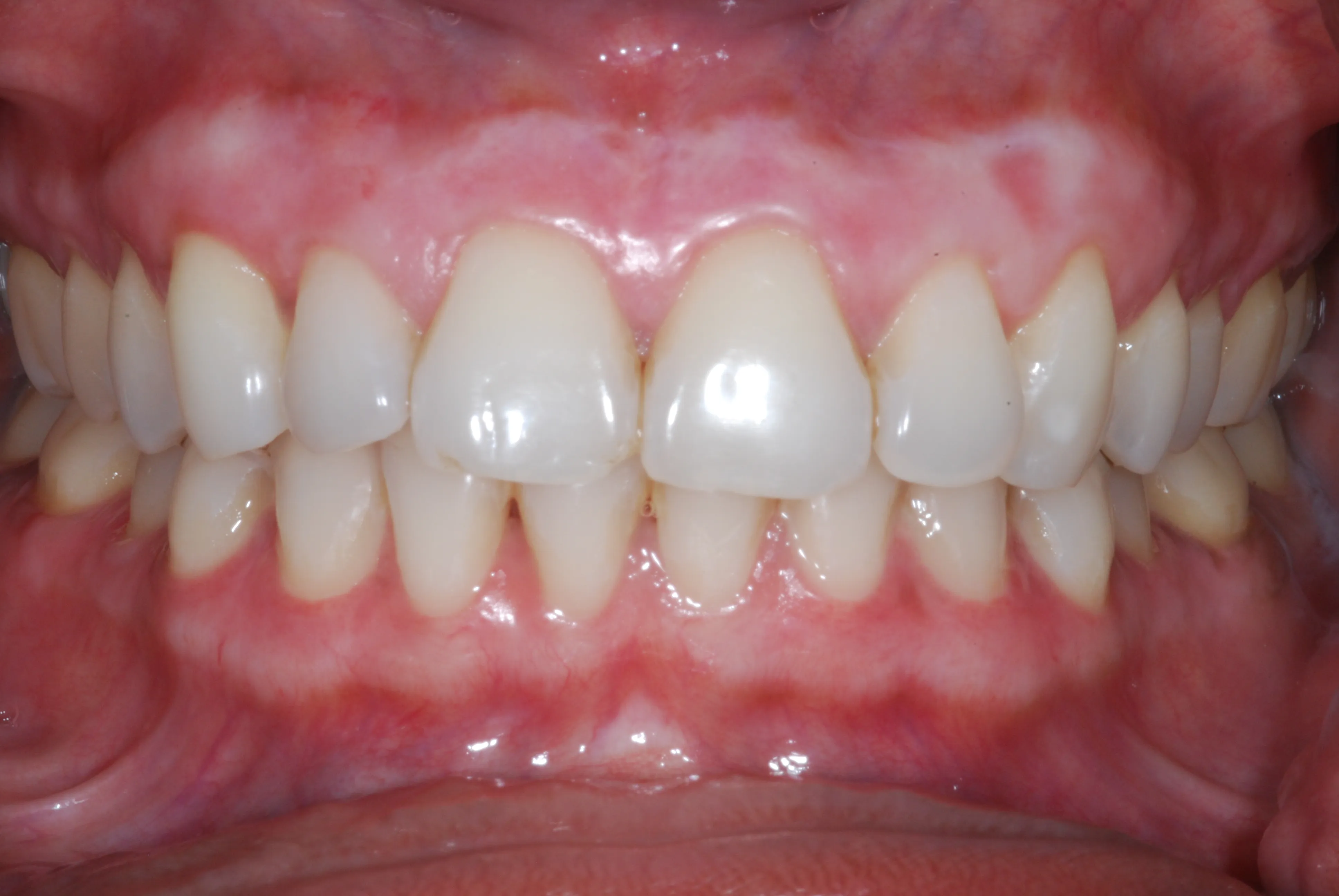
Why Teeth Whitening Can Damage Gums
Teeth whitening is a popular cosmetic procedure, promising a brighter smile. However, it’s crucial to understand that this process, while generally safe, can sometimes lead to gum damage. This damage isn’t always severe, but recognizing the causes and taking preventive measures is essential for maintaining good oral health. The two primary ways teeth whitening can harm gums are through chemical irritation and mechanical trauma. It is essential to understand these mechanisms to protect your gums during and after whitening treatments. This proactive approach ensures you achieve a dazzling smile without compromising your gum health, promoting a lasting and healthy oral environment.
Chemical Irritation
Chemical irritation is one of the most common culprits behind gum damage from teeth whitening. The active ingredients in whitening products, typically hydrogen peroxide or carbamide peroxide, are designed to penetrate the enamel and break down stains. However, these chemicals can also irritate the soft tissues of the gums if they come into direct contact. This irritation can range from mild sensitivity to more severe inflammation, depending on the concentration of the whitening agent, the duration of exposure, and the individual’s sensitivity levels. Understanding the role of these chemicals is crucial in mitigating potential harm and safeguarding gum health during whitening procedures. It is vital to always follow the instructions provided with the whitening product to minimize chemical exposure to the gums.
Common Whitening Ingredients

The primary active ingredients in teeth whitening products are hydrogen peroxide and carbamide peroxide. Hydrogen peroxide is a strong oxidizing agent, which means it releases oxygen molecules that break down stain-causing compounds. Carbamide peroxide breaks down into hydrogen peroxide and urea, which then also acts as a whitening agent. The concentration of these ingredients varies depending on the product. Over-the-counter products typically have lower concentrations, while professional treatments at a dentist’s office use higher concentrations for faster and more effective results. The higher the concentration, the greater the potential for chemical irritation if the gums are exposed. Careful application and following product instructions are essential to minimize this risk.
How Whitening Products Cause Damage
When whitening products come into contact with the gums, the chemicals can cause inflammation and irritation. The peroxide can cause the gums to become sensitive, red, and swollen. This can happen if the whitening trays don’t fit properly, allowing the gel to leak onto the gums, or if you use too much gel. Overuse of whitening products, such as applying them more frequently than recommended, can exacerbate this damage, leading to more significant inflammation and potential for longer-term gum issues. Proper application techniques, adherence to product instructions, and awareness of the potential risks can significantly reduce the likelihood of chemical-induced gum damage, ensuring a safer and more comfortable whitening experience. Always be careful to avoid contact between the whitening agent and the gums.
Mechanical Trauma
Mechanical trauma is another way that teeth whitening can lead to gum damage. This type of injury occurs due to physical forces or improper techniques used during the whitening process or in conjunction with it. The most common causes of mechanical trauma in teeth whitening are poorly fitted trays and aggressive brushing. Being aware of these potential risks and implementing preventive measures can help maintain optimal oral health throughout your whitening journey, and ensure a comfortable experience, allowing you to achieve a brighter smile without causing any unnecessary discomfort to your gums. Proper techniques and product usage are key.
Poorly Fitted Trays

Poorly fitted whitening trays can cause significant mechanical trauma to the gums. If the trays don’t fit snugly around the teeth, the whitening gel can leak out and come into contact with the gum tissues. This not only exposes the gums to chemical irritation but also can physically abrade the gums as the tray moves around in the mouth. Additionally, ill-fitting trays can put pressure on the gums, leading to irritation, inflammation, and even bleeding. Using custom-fitted trays, provided by a dentist, can significantly reduce these risks by ensuring a perfect fit that protects the gums from both chemical exposure and mechanical trauma. Choosing the right tray type and ensuring a comfortable fit is a crucial step to protect your gums.
Aggressive Brushing Techniques
Aggressive brushing techniques, especially when using a hard-bristled toothbrush, can contribute to gum damage, both during and after teeth whitening. Brushing too hard or using excessive force can erode the gum line, leading to gum recession and sensitivity. This is particularly problematic when the gums are already sensitive from the whitening treatment. The combination of harsh brushing and the chemicals in the whitening product can further exacerbate the damage, causing bleeding, soreness, and increased risk of infection. It is essential to use a soft-bristled toothbrush and to brush gently, using a circular motion, to protect the gums from unnecessary trauma. Be sure to implement these strategies during your teeth whitening process.
Symptoms of Gum Damage After Whitening
Recognizing the symptoms of gum damage after teeth whitening is crucial for timely intervention and preventing further complications. The symptoms can vary in severity, ranging from mild discomfort to more significant issues, and it’s important to be vigilant and responsive to any changes in your oral health. Common signs of gum damage include sensitivity, swelling and redness, bleeding gums, and in more severe cases, receding gums. Promptly addressing these symptoms is essential to ensure your gums heal properly and to maintain a healthy mouth. By knowing the signs and symptoms, you can take the necessary steps to protect your oral health and seek the guidance of a dentist when necessary.
Sensitivity

Increased sensitivity is a common symptom of gum damage after teeth whitening. This sensitivity can manifest as a sharp, sudden pain or discomfort when consuming hot, cold, sweet, or sour foods and drinks. The whitening process can temporarily affect the enamel and gums, making them more susceptible to irritation. This increased sensitivity can be a sign that the gums have been exposed to the whitening agent or have experienced some level of trauma. If you experience sensitivity, it’s essential to avoid irritants, such as acidic foods and drinks, and use a toothpaste designed for sensitive teeth. Sensitivity is a common but manageable symptom, and proper care can help alleviate the discomfort and promote healing, and ensure you maintain comfort during and after the teeth whitening process.
Swelling and Redness
Swelling and redness are other telltale signs of gum damage following teeth whitening. These symptoms indicate inflammation and irritation in the gum tissues. When the gums are exposed to whitening agents, they can become inflamed, leading to swelling and a reddish appearance. This inflammation can be localized to the areas where the whitening gel came into contact with the gums or more widespread if the irritation is more severe. If you notice swelling or redness, it’s important to discontinue the whitening treatment and consider rinsing with warm salt water to soothe the inflamed tissues. Applying a cold compress to the affected area can help reduce the swelling and alleviate some of the discomfort. If the symptoms persist or worsen, consult your dentist for professional advice and treatment.
Bleeding Gums
Bleeding gums are a clear indicator of gum damage, often associated with inflammation and irritation. During teeth whitening, the gums can become more vulnerable, and even gentle brushing or flossing can cause them to bleed. This can be a sign of the gums becoming irritated by the whitening process or from mechanical trauma caused by ill-fitting trays. If you experience bleeding gums, it’s important to be extra gentle when brushing and flossing. Consider using a soft-bristled toothbrush and floss carefully to avoid further irritation. If the bleeding is excessive or prolonged, discontinue the whitening treatment and consult your dentist. Addressing the bleeding promptly can prevent further damage and promote healing.
Receding Gums

Receding gums is a more serious symptom of gum damage, often indicating long-term issues. Gum recession occurs when the gum tissue pulls back from the teeth, exposing more of the tooth’s surface and the root. While teeth whitening itself doesn’t directly cause gum recession, the underlying issues that make the gums vulnerable to damage during whitening—such as aggressive brushing, ill-fitting trays, or pre-existing gum disease—can contribute to recession. If you notice your gums are receding, it is crucial to consult your dentist. They can assess the extent of the recession and recommend appropriate treatments to prevent further damage and protect your teeth. Addressing receding gums early can help preserve your oral health and prevent more severe complications.
How to Prevent Gum Damage from Teeth Whitening
Preventing gum damage during teeth whitening involves taking proactive steps before, during, and after the treatment. This involves selecting the right whitening method, maintaining good oral hygiene, and carefully following the instructions. By understanding the potential risks and implementing preventive measures, you can achieve a brighter smile without compromising the health of your gums. This careful approach ensures a safe and effective whitening experience, promoting long-term oral health. Prioritizing the health of your gums is key to a successful and healthy smile transformation.
Choose the Right Whitening Method
Selecting the appropriate whitening method is the first step in preventing gum damage. You can choose between professional treatments done by a dentist and over-the-counter products. Professional treatments, like in-office whitening, offer the benefit of professional oversight and the use of stronger whitening agents. Your dentist can also take measures to protect your gums, such as using a protective barrier. Over-the-counter options, such as whitening strips and trays, are generally less potent, which can reduce the risk of irritation. Always consult with your dentist to determine the best option for your oral health needs and to get personalized recommendations. Considering your individual circumstances will help you make a more informed decision.
Professional vs. Over-the-Counter Options
Professional teeth whitening, performed by a dentist, offers several advantages over over-the-counter options. Dentists can use stronger whitening agents, providing more dramatic results in a shorter amount of time. They also take measures to protect your gums, such as applying a protective barrier before the treatment, minimizing the risk of chemical irritation. Over-the-counter products are generally less potent and might be less effective for stubborn stains. They often come with a higher risk of causing gum irritation if not used correctly. The choice between these methods depends on your needs, desired results, and level of risk tolerance. Consulting with your dentist is essential to determine the most suitable and safe approach for your specific situation.
Custom Trays and Proper Fit
Using custom-fitted trays for teeth whitening significantly minimizes the risk of gum damage. Custom trays, provided by your dentist, are molded to fit the unique shape of your teeth, ensuring a snug and precise fit. This prevents the whitening gel from leaking out and coming into contact with your gums. If you choose to use at-home whitening kits, make sure the trays fit properly. Improperly fitted trays can lead to chemical irritation and mechanical trauma. Investing in custom trays is a smart and essential step to protect your gums during the whitening process. Your dentist can ensure the trays fit perfectly, providing a safer, more comfortable, and more effective whitening experience.
Maintain Good Oral Hygiene
Good oral hygiene is essential for protecting your gums during teeth whitening. This involves regular brushing, flossing, and rinsing to remove plaque and bacteria that can exacerbate gum irritation. Maintaining a clean mouth reduces the risk of inflammation and infection. Brushing at least twice a day and flossing once a day helps to keep your gums healthy and strong. Regular dental check-ups are also important to identify and address any existing oral health issues before starting teeth whitening. Prioritizing oral hygiene creates a healthier environment for your gums and helps minimize the potential for damage from the whitening process.
Gentle Brushing Techniques

Using gentle brushing techniques is critical for protecting your gums while whitening your teeth. Avoid brushing too hard or using a hard-bristled toothbrush, as this can erode the gum line, causing sensitivity and recession. Instead, use a soft-bristled toothbrush and brush your teeth in a circular motion, applying gentle pressure. This technique effectively removes plaque and debris without damaging your gums. Be patient and thorough, ensuring you clean all surfaces of your teeth. By adopting gentle brushing practices, you can maintain healthy gums and protect them from mechanical trauma during teeth whitening, and ensure the process is as safe as possible. Always prioritize the health of your gums.
Use Fluoride Toothpaste
Using fluoride toothpaste strengthens your enamel and helps protect against sensitivity. Fluoride remineralizes your teeth, making them more resistant to the effects of the whitening process. It also helps to protect against cavities. Fluoride toothpaste can also reduce gum irritation and inflammation. Using fluoride toothpaste helps maintain healthy gums and minimize any discomfort you may experience during teeth whitening. Consistent use of fluoride toothpaste is a simple, yet effective, method to protect your teeth and gums, ensuring a safer and more comfortable experience during whitening. Always follow the dentist’s instructions.
Rinse Thoroughly After Whitening
Rinsing your mouth thoroughly after teeth whitening is essential for preventing gum damage. This helps remove any residual whitening gel that may be lingering on your teeth or gums, which reduces the risk of chemical irritation. After removing your whitening trays or strips, rinse your mouth with water or a fluoride mouthwash. Make sure to rinse gently and avoid aggressive swishing, which could irritate your gums. Following the whitening instructions carefully, and making sure to rinse thoroughly, is an essential practice to protect your gums and ensure a comfortable and effective whitening process. Rinsing thoroughly helps to minimize any potential contact of the whitening agent with your gums, reducing the risk of damage.
Follow Whitening Instructions Carefully

Carefully following the instructions provided with your teeth whitening product is paramount for protecting your gums. These instructions are designed to ensure safe and effective use, minimizing the risk of irritation and damage. This means adhering to the recommended application time, frequency, and amount of gel. Overuse or misuse of whitening products can lead to increased sensitivity and gum inflammation. If you’re using at-home kits, read the instructions thoroughly and follow them precisely. If you are having a professional treatment, the dentist will guide you through the whole process. By following the instructions, you can achieve a brighter smile while safeguarding your gum health.
Consult Your Dentist
Consulting your dentist before starting teeth whitening is highly recommended. Your dentist can assess your oral health, identify any potential risks, and provide personalized advice. They can determine if teeth whitening is suitable for you and recommend the best approach, whether it’s professional treatments or over-the-counter options. Your dentist can also provide custom-fitted trays, protecting your gums from damage. Professional guidance can also help you avoid potential complications and ensure you achieve a safe and effective whitening experience. Your dentist is your best resource for navigating the teeth whitening process safely and effectively. Regular check-ups are essential to ensure your gums are healthy, and to monitor any changes.
Professional Guidance
Seeking professional guidance from your dentist is invaluable when considering teeth whitening. They can provide a thorough assessment of your oral health, identify any pre-existing conditions, and determine if whitening is safe for you. Dentists are well-versed in the various whitening methods and can recommend the most appropriate and effective option for your specific needs. They can also address any concerns you may have and provide you with detailed instructions on how to minimize the risk of gum damage. By consulting a dental professional, you can gain peace of mind and confidently pursue teeth whitening while ensuring the health and safety of your gums. You can also get professional guidance for any potential complications or issues.
Regular Check-ups
Regular dental check-ups are critical for maintaining healthy gums and teeth, especially if you’re considering teeth whitening. During these check-ups, your dentist can assess the health of your gums, detect any signs of inflammation or recession, and provide preventive care. Regular dental check-ups allow your dentist to identify and address any oral health issues before you start whitening. The dentist can also provide professional cleanings to remove plaque and tartar, preventing gum disease. By attending regular check-ups, you can ensure that your gums are in optimal condition before whitening, reducing the risk of any damage. This proactive approach helps you maintain a healthy smile, and helps you ensure the best results for your whitening treatment.
What to Do if Gum Damage Occurs
If you experience gum damage after teeth whitening, it’s important to take immediate action to alleviate the discomfort and promote healing. The first step is to discontinue the whitening treatment to prevent further irritation and allow your gums to recover. There are also several home remedies and soothing products that can provide relief and support the healing process. However, it’s also crucial to know when to seek professional help from your dentist. By understanding the signs of gum damage and how to respond, you can effectively manage any issues and maintain optimal oral health.
Discontinue Whitening Treatment
The first and most important step if you suspect gum damage is to discontinue your teeth whitening treatment immediately. Continuing the treatment can worsen the irritation and prolong the healing process. Stop using any whitening strips, gels, or trays, and allow your gums to rest and recover. This will give your gums a chance to heal and prevent further damage from the whitening chemicals. Give your gums time to heal properly. If the damage is severe, seek professional advice.
Use Soothing Products
Using soothing products can help alleviate the discomfort of gum damage after teeth whitening. There are several over-the-counter and home remedies you can try. Rinsing with warm salt water is a simple yet effective way to reduce inflammation and promote healing. You can also apply soothing products, such as aloe vera gel, directly to the affected areas. Using toothpaste for sensitive teeth and avoiding irritants can also provide relief. These products can help ease the discomfort and aid in the healing process. Using these methods will ease your gums.
Rinse with Salt Water
Rinsing your mouth with warm salt water is a simple and effective home remedy for soothing irritated gums. Salt water has natural antibacterial properties and can reduce inflammation. To make a saltwater rinse, mix half a teaspoon of salt in a cup of warm water. Swish the solution gently in your mouth for about 30 seconds, then spit it out. Repeat this several times a day, especially after meals. Saltwater rinses can help clean the affected area, reduce swelling, and promote faster healing. The rinse can help the gums and provide great relief. This simple technique provides much needed relief.
Avoid Irritants
Avoiding irritants is crucial for preventing further gum damage and promoting healing. This means avoiding harsh or acidic foods and drinks, such as citrus fruits, sodas, and spicy foods. These irritants can exacerbate the sensitivity and inflammation in your gums. You should also avoid smoking and using tobacco products, as these can slow down the healing process and increase the risk of gum disease. Be gentle when brushing and flossing, and choose a soft-bristled toothbrush. By avoiding irritants, you allow your gums to heal properly. This is a crucial step in promoting healing.
When to Seek Professional Help
It’s essential to know when to seek professional help from your dentist for gum damage after teeth whitening. If your symptoms are severe or persistent, and don’t improve with home care, you should consult your dentist. Signs that you need professional attention include severe pain, excessive bleeding, or swelling that doesn’t subside. If you notice any signs of infection, such as pus or fever, seek immediate medical attention. Your dentist can assess the damage, provide appropriate treatment, and prevent any long-term complications. Don’t delay in seeking professional help, as this can lead to more serious oral health issues. The sooner, the better.
In conclusion, teeth whitening offers a pathway to a brighter smile, but it’s crucial to understand and manage the risks of gum damage. By being aware of the causes, recognizing the symptoms, and following preventive measures, you can achieve a dazzling smile while maintaining healthy gums. Choose the right whitening method, practice good oral hygiene, and consult your dentist for guidance. If damage occurs, take immediate action and seek professional help when necessary. Prioritizing your gum health ensures a safe and effective teeth whitening experience, leading to a confident and healthy smile.