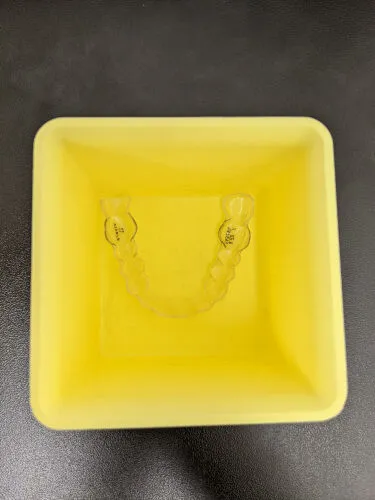
Why Cleaning Whitening Trays is Important
Maintaining the cleanliness of your whitening trays is crucial for both oral health and the effectiveness of your teeth whitening process. Whitening trays, while simple in design, provide a perfect environment for bacteria to thrive if not properly cared for. Neglecting to clean your trays can lead to a buildup of bacteria, yeast, and other microorganisms, potentially causing oral infections and other complications. Regularly cleaning your whitening trays isn’t just about aesthetics it’s about protecting your oral health and ensuring the whitening process is as effective as possible. This comprehensive guide will walk you through everything you need to know about keeping your whitening trays clean and your smile bright.
Preventing Bacteria Buildup
Bacteria love the warm, moist environment created inside your mouth, and your whitening trays can quickly become a breeding ground. Bacteria buildup can lead to bad breath, gum irritation, and even more serious issues like gingivitis or thrush. Regular cleaning is the primary way to control bacterial growth. By washing away bacteria and food particles, you are creating a healthier environment for your teeth and gums. This is especially important if you wear your trays for extended periods. Make cleaning your whitening trays a part of your daily routine to avoid any issues.
Avoiding Staining and Discoloration
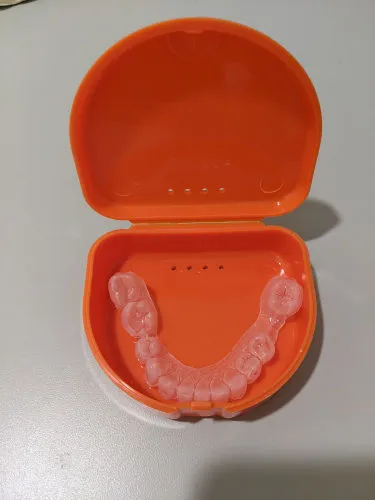
Whitening trays can also trap the remnants of the whitening gel, along with any food particles and other debris that get into your mouth. This can lead to staining and discoloration of the trays themselves. When the trays become stained, they can impact the effectiveness of the whitening process. A clean tray ensures the whitening gel is making direct contact with your teeth, allowing for optimal results. Routine cleaning prevents these stains from setting in and ensures that your trays remain clear and functional. This contributes to a brighter, more consistent whitening outcome.
Maintaining Tray Lifespan
Proper cleaning and maintenance extend the lifespan of your whitening trays. Over time, residue buildup and bacterial action can damage the material of your trays, leading to a need for earlier replacement. Regular cleaning keeps your trays in good condition, preventing deterioration and making them last longer. By following the cleaning steps outlined in this guide, you can make sure that your trays are in optimal shape. This approach not only saves you money but also ensures you can continue to whiten your teeth effectively and efficiently. A little care goes a long way in preserving their functionality.
Cleaning Supplies You’ll Need
Gathering the right supplies is essential for effective cleaning. You likely already have many of these items at home, making it a simple and cost-effective process. The supplies listed below will help you to thoroughly clean and maintain your whitening trays, ensuring they are always ready for use. Preparing these essentials in advance will save you time and streamline your cleaning routine.
Mild Soap or Dish Soap

A gentle soap is key. Harsh chemicals can damage your trays or leave behind residues. Use a mild, unscented soap or a gentle dish soap. These soaps effectively clean without being too abrasive or causing any issues. Ensure the soap is free from harsh chemicals that could potentially irritate your mouth. Using mild soap ensures the safety of your trays and your oral health.
Soft-bristled Toothbrush
A soft-bristled toothbrush is ideal for scrubbing. Hard bristles can scratch the trays, which can harbor bacteria and make them less effective. Using a soft brush allows you to clean thoroughly without causing any damage. Make sure the toothbrush is clean and dedicated solely to cleaning your whitening trays, to avoid introducing additional contaminants. The soft bristles will safely and effectively clean your trays.
Cool Water
Cool or lukewarm water is best for cleaning. Hot water can warp the plastic of your trays. Cool water effectively rinses away debris and soap, without causing any structural damage. Always ensure the water is at a safe temperature to protect the integrity of your trays. Avoiding hot water is crucial for the longevity of your whitening trays.
Hydrogen Peroxide (Optional)

Hydrogen peroxide can provide an extra level of cleaning by helping to kill bacteria. Use a 3% solution and dilute it with water if necessary. Ensure you rinse your trays thoroughly afterward to remove all traces of the peroxide. It’s not a necessary supply for cleaning, but it can be beneficial for deeper cleaning. Use it sparingly, as overuse can cause sensitivity. Hydrogen peroxide is a great cleaning agent for disinfecting your trays.
Cleaning Your Whitening Trays Step by Step
Follow these steps to ensure your whitening trays are clean, hygienic, and ready for use. Proper cleaning should be part of your regular routine. These steps will help to ensure both effectiveness and the longevity of your trays. Take the time to clean your trays to ensure a healthy and bright smile.
Rinsing the Trays
Start by rinsing your whitening trays under cool running water. This removes any loose debris or whitening gel residue. Make sure to rinse both the inside and outside surfaces of the trays. This initial rinse helps prepare the trays for a more thorough cleaning. Rinsing is the first important step to ensure there is no loose debris.
Brushing the Trays

Apply a small amount of mild soap to your soft-bristled toothbrush. Gently brush all surfaces of the whitening trays. Pay close attention to any areas where residue may accumulate. Be careful not to apply too much pressure to avoid damaging the trays. This step helps remove any remaining debris and bacteria that the initial rinse might have missed. Brushing is very important to the overall cleaning process.
Soaking the Trays
After brushing, rinse the trays again. Consider soaking the trays in cool water with a bit of hydrogen peroxide or a whitening tray cleaner tablet. If you choose to use hydrogen peroxide, soak for about 10-15 minutes. For the tablets, follow the package instructions. Soaking adds an extra layer of cleaning, ensuring that any remaining bacteria are eliminated. Soaking is a good way to make sure your trays are disinfected.
Rinsing and Drying
Once the soaking is complete, rinse the trays thoroughly with cool water to remove any soap, hydrogen peroxide, or cleaning solution residue. Shake off excess water and let the trays air dry completely on a clean surface or with a soft, clean cloth. Ensure they are completely dry before storing. This step is crucial for preventing the growth of bacteria and ensuring that your trays are ready to use. Drying your trays properly prevents the spread of bacteria.
Deep Cleaning Methods

Sometimes, regular cleaning isn’t enough, and you need a deeper clean to remove stubborn stains or buildup. There are a couple of methods you can use to give your whitening trays a thorough cleaning. These methods will help keep your trays in top condition.
Using Hydrogen Peroxide
As mentioned, hydrogen peroxide is an excellent disinfectant. Mix a small amount (3% solution) with cool water and soak your trays for about 15-20 minutes. After soaking, rinse the trays thoroughly and let them dry. Hydrogen peroxide can help remove stains and kill any bacteria. Make sure to rinse the trays well to avoid any issues. It helps remove more difficult stains.
Using Whitening Tray Cleanser Tablets
Whitening tray cleanser tablets are specifically designed to clean and disinfect your trays. Dissolve a tablet in cool water and soak your trays according to the product instructions. These tablets are convenient and effective at removing stains, killing bacteria, and freshening your trays. Be sure to follow the instructions on the packaging to ensure that you use the tablets correctly. These are a great way to deep clean your trays.
Storage and Maintenance Tips

Proper storage and maintenance are as important as cleaning your trays. These steps will help preserve your trays and extend their lifespan. Following these tips can make a big difference in how long your trays last. Make sure to implement these methods into your regular routine.
Proper Drying Techniques
Always dry your whitening trays completely before storing them. Moisture can lead to bacterial growth. Air drying is often the best method, or you can gently pat them dry with a clean cloth. Ensuring your trays are dry is essential to preventing bacterial growth. Proper drying is part of the process.
Storing Trays in a Clean, Dry Place
Store your clean and dry whitening trays in their original case or another clean, dry container. Avoid leaving them in the open, where they can be exposed to dust or other contaminants. Proper storage protects your trays from damage and contamination. Make sure you are keeping them in a safe place.
Regular Inspections and Replacements

Regularly inspect your whitening trays for any signs of wear and tear, such as cracks or discoloration. Replace them as needed. Discard any trays that are damaged. Regular inspection is essential. By keeping an eye on your trays, you will be able to replace them when necessary. This helps ensure the process is as effective as possible.
Common Mistakes to Avoid
Avoiding common mistakes can help you keep your whitening trays in the best condition. Here are some key pitfalls and how to avoid them. Making sure you are avoiding these errors can help preserve the quality and effectiveness of your whitening trays.
Using Hot Water
Never use hot water to clean your whitening trays. Hot water can warp the plastic, damaging the trays and making them unusable. Always use cool or lukewarm water to rinse and clean your trays. Using the correct temperature is essential for the preservation of your trays.
Using Abrasive Cleaners
Avoid using abrasive cleaners, such as strong detergents or scouring pads, as they can scratch the trays and damage the surface. Stick to mild soaps and soft-bristled toothbrushes. Use soft materials to help preserve your trays. Using the correct cleaners is important.
Ignoring Regular Cleaning
One of the most common mistakes is neglecting to clean your trays regularly. Make cleaning a part of your daily routine. Consistent cleaning is vital to maintaining the cleanliness and effectiveness of your trays. Incorporating cleaning into your routine will benefit you greatly.
Conclusion
Cleaning your whitening trays properly is a small but essential part of maintaining a bright, healthy smile. Following the steps outlined in this guide will ensure your trays remain clean, effective, and free from harmful bacteria. By making cleaning a regular part of your routine and avoiding common mistakes, you can maximize the effectiveness of your teeth whitening treatment and protect your oral health. Remember, consistent care is key to a sparkling smile.