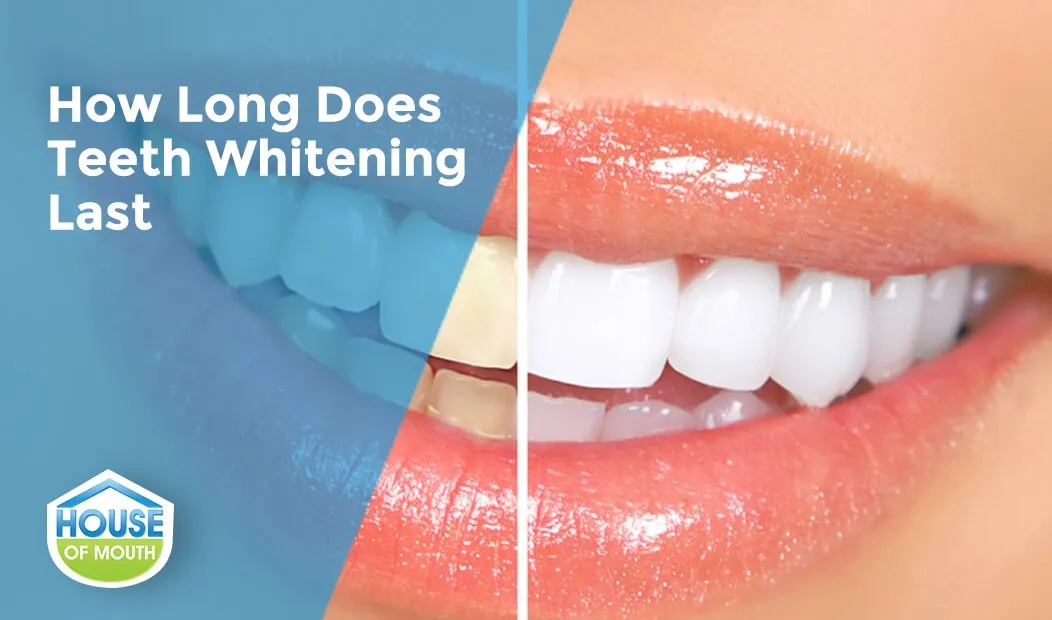
What Are Teeth Whitening Strips?
Teeth whitening strips have become a popular choice for people looking to brighten their smiles conveniently and affordably. These thin, flexible strips are coated with a whitening agent, typically hydrogen peroxide or carbamide peroxide. They are designed to adhere to the surface of your teeth, delivering the active ingredient directly to the enamel. The convenience of teeth whitening strips lies in their ease of use; they can be applied at home without professional assistance. Available over-the-counter, they offer a straightforward approach to achieving a whiter smile. However, it’s essential to understand how they work, how long they last, and how to maximize their effectiveness to manage your expectations and achieve the desired results.
How Do Teeth Whitening Strips Work?
Teeth whitening strips use a chemical process to remove stains and discoloration from your teeth. The active ingredient, usually hydrogen peroxide or carbamide peroxide, penetrates the enamel to break down stain molecules. These molecules are what cause the yellowing or darkening of your teeth. The strips work by staying in contact with your teeth, allowing the whitening agent to come into contact with the enamel. As the peroxide breaks down, oxygen molecules interact with the stained organic molecules in your teeth. This process effectively lightens the color of your teeth. The effectiveness depends on the concentration of the whitening agent, the duration of application, and the type of stains. Consistency in use, following the manufacturer’s instructions, is key to achieving the best results from teeth whitening strips.
Factors Influencing Whitening Strip Duration

Several factors affect how long the results of teeth whitening strips will last. Understanding these influences can help manage your expectations and take steps to prolong the whitening effects. The longevity of your whiter smile is not solely determined by the whitening strips themselves; your lifestyle choices, oral hygiene habits, and the type of stains present on your teeth all play a significant role in determining how long your teeth stay white. These elements interplay to dictate the timeframe within which you can enjoy your enhanced smile before requiring further whitening treatments or touch-ups. Therefore, consider the multiple variables for long-lasting results and implement corresponding strategies.
The Type of Whitening Strips
The specific type of whitening strips you use can influence how long the effects last. Different brands offer varying concentrations of the whitening agent and different application durations. Higher concentrations of hydrogen peroxide often yield faster results, but may also increase the risk of sensitivity. Strips designed for more prolonged use tend to have a greater impact over time. Some whitening strips may also include special formulations that provide additional protection for the enamel. The effectiveness of the whitening strips is heavily influenced by their composition and your teeth’s reaction to those ingredients. Carefully choosing a product that matches your specific needs and oral health conditions is essential to getting optimal, long-lasting whitening.
Your Oral Hygiene Routine
A consistent and effective oral hygiene routine is essential for maintaining the results of teeth whitening strips. Brushing your teeth twice a day, flossing daily, and using mouthwash helps remove surface stains and prevent new ones from forming. Regular cleaning removes plaque, which can trap stains. Moreover, by maintaining your oral health, you are also minimizing the chances of new stains from forming, which helps the whitening effects last. Incorporate your whitening strips into your routine and ensure that you’re complementing the process with other essential practices. Consider using a whitening toothpaste to help maintain the brightness of your smile and remove surface stains, thus extending the lifespan of your whitening treatment.
Your Dietary Habits

Your diet significantly impacts how long your teeth stay white after using whitening strips. Certain foods and drinks contain pigments that can stain teeth, such as coffee, tea, red wine, berries, and soy sauce. Consuming these items frequently can cause discoloration and diminish the whitening effect more quickly. Conversely, foods with low staining potential, like dairy products, fresh fruits, and vegetables, are generally less likely to compromise the brightness of your teeth. Minimizing your intake of staining foods and drinks, or consuming them in moderation, can help maintain your whiter smile longer. It’s a good idea to rinse your mouth with water after consuming items that may stain your teeth.
Other Lifestyle Factors
Lifestyle factors beyond diet and oral hygiene can also affect the duration of your teeth whitening results. Smoking, for instance, is a major contributor to tooth discoloration because tobacco contains substances that stain teeth. Reducing or eliminating tobacco use can significantly improve the longevity of your whitening results. Regular dental check-ups are another essential factor. Professional cleanings remove plaque and tartar, which can trap stains and contribute to a dull appearance. Furthermore, your natural tooth structure and genetics also play a role. Some people may have more porous enamel, making their teeth more susceptible to staining, while others may have naturally brighter teeth. Keeping these factors in mind helps set realistic expectations for how long your results will last.
How Long Do the Effects Last?
The duration of teeth whitening strip results varies from person to person, generally lasting from a few weeks to several months. This period depends on the factors previously discussed, including your oral hygiene, dietary habits, and lifestyle. On average, you might expect your teeth to remain visibly whiter for about 1 to 6 months. However, in some cases, with diligent care and lifestyle adjustments, the whitening effect may last longer. Conversely, those with poor oral hygiene habits or who consume staining foods and drinks frequently might see the results fade much more quickly. It is important to remember that the outcome is a cumulative process, and results are not permanent. Consider maintenance strategies to extend the longevity of your whiter smile.
Tips to Extend the Results of Teeth Whitening Strips

Several steps can be taken to extend the lifespan of your teeth whitening results. Combining these strategies with your whitening treatment can yield more satisfying and lasting results. The most effective way to maintain your brighter smile is to be proactive and informed about your habits, choices, and regular care. Consider incorporating these suggestions into your lifestyle to maximize the benefits of your whitening strips.
Proper Oral Hygiene
Maintaining excellent oral hygiene is paramount to preserving the results of your teeth whitening. Brush your teeth at least twice a day with a fluoride toothpaste. Floss daily to remove plaque and food particles from between your teeth. Consider using an antimicrobial mouthwash to reduce bacteria in your mouth, which can contribute to stains. Proper oral hygiene doesn’t only keep your teeth and gums healthy. It also helps prevent the accumulation of surface stains that can diminish the brightness of your smile. Combining these practices will significantly extend the longevity of your whitening results and maintain your fresh, bright smile.
Avoiding Staining Foods and Drinks
Limiting your intake of staining foods and drinks is a key strategy to prolonging the effects of teeth whitening strips. Beverages such as coffee, tea, and red wine are notorious for staining teeth. Foods like berries, curries, and soy sauce can also contribute to discoloration. If you consume these items, consider rinsing your mouth with water immediately afterward to help prevent staining. Using a straw when drinking these beverages can also minimize contact with your teeth. Making mindful food and drink choices helps you get the most out of your teeth whitening investment and enjoy a bright smile for a more extended period.
Regular Dental Check-ups

Regular dental check-ups and professional cleanings are crucial for maintaining the results of your teeth whitening. During these visits, your dentist can remove plaque and tartar, which can trap stains and dull the appearance of your teeth. Professional cleanings also polish your teeth, further enhancing their brightness. Your dentist can also offer advice on maintaining oral hygiene and identify any underlying issues that might affect the longevity of your whitening results. Scheduling regular visits helps you get the most from your teeth whitening strips and can also catch any dental problems early on. These check-ups help ensure that your teeth stay healthy and bright for as long as possible.
Alternatives to Teeth Whitening Strips
While teeth whitening strips are convenient, other options can enhance or supplement your efforts to achieve a brighter smile. Exploring alternatives may be beneficial if you are looking for different approaches, more dramatic results, or to address specific dental needs. Consider the pros and cons of each approach and find the right method to help you achieve and maintain your desired level of brightness. It’s important to consult with your dentist to find the best option.
Professional Teeth Whitening
Professional teeth whitening, performed by a dentist, offers more dramatic and long-lasting results compared to over-the-counter strips. Your dentist can use higher concentrations of bleaching agents and often include methods like in-office light or laser activation to accelerate the whitening process. They also have the ability to address the specific cause of your tooth discoloration. Professional whitening is a more expensive option, but it can provide a more effective and customized treatment plan, potentially resulting in whiter teeth for a longer period. This is an excellent solution for those seeking a significant improvement in the color of their teeth.
Whitening Toothpaste

Whitening toothpaste is a readily accessible option for maintaining a bright smile and supplementing the effects of whitening strips. These toothpastes typically contain mild abrasives and polishing agents that help remove surface stains. While they don’t change the intrinsic color of your teeth like whitening strips, they can help keep your teeth looking clean and bright. They are a cost-effective addition to your oral hygiene routine, and the results are incremental. They can be used daily to maintain the results of teeth whitening treatments and prevent the buildup of new stains. Look for brands with the American Dental Association (ADA) seal of approval to ensure their safety and effectiveness.
Conclusion
Teeth whitening strips are a convenient and accessible way to brighten your smile. Their longevity depends on multiple factors, including the type of strip, your oral hygiene, dietary habits, and lifestyle choices. While the results typically last for several months, you can extend their duration by maintaining good oral hygiene, avoiding staining foods and drinks, and visiting your dentist for regular check-ups. Exploring alternatives such as professional teeth whitening or using whitening toothpaste can further enhance and maintain your bright smile. Understanding these factors and incorporating these strategies will help you make informed decisions and achieve lasting results. By combining the appropriate methods and mindful habits, you can successfully enjoy a whiter, brighter smile for an extended period.