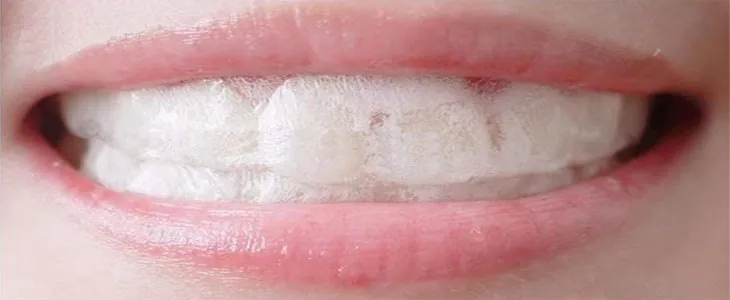
Understanding Teeth Discoloration
Teeth discoloration is a common cosmetic concern that can affect anyone. It occurs when the enamel, the hard outer layer of your teeth, becomes stained or worn down, revealing the darker dentin underneath. The color of your teeth is influenced by a variety of factors, including genetics, age, and lifestyle choices. Understanding the underlying causes of discoloration is the first step toward finding effective teeth whitening solutions, whether you prefer professional treatments or home remedies. The enamel’s porosity makes it susceptible to staining from foods, drinks, and other substances, changing the tooth’s color over time. Regular dental check-ups and a good oral hygiene routine are important for maintaining your teeth’s health and appearance.
Causes of Teeth Staining
Many factors can contribute to teeth staining, including dietary habits, certain beverages, and lifestyle choices. Consuming foods and drinks that are rich in tannins or dark pigments, such as coffee, tea, red wine, and berries, can lead to staining over time. Smoking and tobacco use are also significant contributors, as they introduce nicotine and tar, which can discolor the teeth. Furthermore, the natural aging process causes enamel to wear down, making teeth appear more yellow. Certain medications, such as some antibiotics, can cause discoloration, especially in children whose teeth are still developing. Regular dental check-ups, avoiding staining substances, and following a good oral hygiene routine are all helpful to combat stains.
The Power of Home Remedies for Teeth Whitening

Home remedies offer a cost-effective and accessible way to whiten your teeth. While professional treatments can provide dramatic results, home remedies leverage natural ingredients and readily available items to gently lift stains and brighten your smile. These methods are often gentler on the enamel compared to aggressive chemical treatments. The appeal lies in their convenience, affordability, and the ability to incorporate teeth whitening into your daily routine. However, it’s essential to approach these remedies with caution, understanding their potential limitations and risks. It’s always a great idea to consult your dentist before starting any new teeth whitening regimen.
Home Remedy 1 Baking Soda and Hydrogen Peroxide
Baking soda and hydrogen peroxide is a widely used combination for home teeth whitening. Baking soda acts as a mild abrasive that helps to scrub away surface stains. Hydrogen peroxide, a mild bleaching agent, can penetrate the enamel to lighten the color of your teeth. This combination is relatively safe when used sparingly and can provide noticeable results over time. It’s important to note that this method is not a quick fix and requires consistent use to see significant changes. Always use a small amount of each ingredient to prevent any potential enamel damage or gum irritation. This remedy is considered a gentler option compared to some commercial teeth whitening products.
How to Use Baking Soda for Teeth Whitening
To use baking soda for teeth whitening, mix a small amount (about a teaspoon) with enough hydrogen peroxide to form a paste. Gently brush your teeth with the paste for about two minutes, using a soft-bristled toothbrush. Avoid applying too much pressure, as this can damage the enamel. Rinse your mouth thoroughly with water afterward. It is recommended to use this method no more than once or twice a week, as frequent use could lead to enamel erosion. Monitor your teeth for any sensitivity or irritation, and discontinue use if any problems arise. Remember, consistency and patience are key when using this home remedy.
Hydrogen Peroxide and Its Role

Hydrogen peroxide plays a crucial role in the baking soda and teeth whitening combination because of its bleaching properties. The chemical compound, when in contact with the teeth, breaks down into water and oxygen. This process helps to oxidize and lift stains from the enamel. The concentration of hydrogen peroxide is important; it should be a 3% solution, which is commonly available at drugstores. Using a higher concentration can increase the risk of enamel sensitivity and gum irritation. Hydrogen peroxide works gradually, and the results will vary depending on the severity of the stains and the frequency of use. It is a key ingredient in many professional teeth whitening treatments, though the concentration is significantly higher in those settings.
Home Remedy 2 Coconut Oil Pulling
Coconut oil pulling is an ancient Ayurvedic practice that involves swishing coconut oil in your mouth for a certain period to remove bacteria and toxins. While its primary benefit is for oral health, many people find it can also help with teeth whitening. Coconut oil has antibacterial properties, which can reduce plaque buildup and help to prevent tooth decay, leading to a brighter smile over time. The oil helps to bind to bacteria and remove them from the mouth. Consistency is key; oil pulling needs to be done regularly to achieve noticeable results. This method is a natural and gentle way to support overall oral health.
Benefits of Coconut Oil for Oral Health
Coconut oil offers a range of benefits for oral health. Its antibacterial and anti-inflammatory properties can help to reduce the buildup of plaque, combat gingivitis, and prevent tooth decay. The oil contains lauric acid, which is particularly effective in fighting harmful bacteria like Streptococcus mutans, a primary contributor to cavities. Regular oil pulling can promote healthier gums, reduce bad breath, and contribute to a cleaner mouth. Coconut oil also helps to moisturize the oral tissues, reducing dryness and supporting the overall health of the mouth. The gentle nature of coconut oil makes it suitable for people with sensitive gums, offering a natural alternative for maintaining oral hygiene.
The Oil Pulling Process

To practice oil pulling, take about a tablespoon of coconut oil and swish it around your mouth for 15-20 minutes. Ensure that the oil reaches all areas of your mouth, including between your teeth. After the swishing, spit the oil into a trash can, as it contains bacteria and toxins that you don’t want to ingest. Rinse your mouth with warm water, and then brush your teeth as usual. It is best to do this in the morning on an empty stomach for maximum effectiveness. Regularity is important; aim to oil pull at least several times a week to see noticeable improvements in your oral health and tooth appearance. This method is a gentle way to improve your oral health.
Home Remedy 3 Lemon Juice and Baking Soda
Lemon juice and baking soda is another popular home remedy for teeth whitening, combining the bleaching properties of citric acid with the abrasive action of baking soda. This combination can potentially lighten teeth by removing surface stains. However, due to the acidity of lemon juice, this method is not recommended by all dental professionals, as it can erode the enamel, increasing sensitivity and the risk of cavities. While it may offer a quick brightening effect, the potential risks often outweigh the benefits. If you choose to use this method, it is vital to use it sparingly and to monitor your teeth for any signs of damage or sensitivity.
The Risks of Using Lemon Juice
The primary risk of using lemon juice for teeth whitening is its high acidity. Citric acid can erode tooth enamel, making teeth more susceptible to decay and sensitivity to hot and cold foods and drinks. Enamel erosion is irreversible, and can eventually lead to a dull appearance and increase the risk of dental problems. Frequent use of lemon juice can also irritate the gums and cause them to recede. Dentists generally advise against this method. If you decide to use it, limit its frequency and duration, and always rinse your mouth thoroughly with water after use to neutralize the acid and minimize potential damage.
How to Use Lemon Juice Safely

If you choose to use lemon juice for teeth whitening, do so with extreme caution and limit its use to once every few weeks. Mix a small amount of lemon juice with baking soda to create a paste. Gently apply the paste to your teeth and leave it on for no more than a minute. Rinse your mouth thoroughly with water, and brush your teeth as usual. It’s essential to monitor your teeth for any signs of sensitivity or enamel erosion. Consider consulting with a dentist before using this method to ensure it’s safe for your specific situation. Also, make sure to use a straw when drinking lemon juice.
Home Remedy 4 Strawberry Paste
Strawberries contain malic acid, which acts as a natural astringent and may help to remove surface stains, contributing to a slightly brighter appearance. The fruit is considered a gentler teeth whitening option than lemon juice because it has a lower acid content. While strawberries alone are not a powerful bleaching agent, the natural enzymes in the fruit can aid in cleaning the teeth, combined with the abrasive action of the seeds. Using strawberries is a more natural alternative, although the results may be subtle compared to stronger chemical treatments or other home remedies.
Benefits of Strawberries for Teeth
Strawberries provide several benefits for teeth and oral health. Their malic acid content acts as a natural astringent, which helps to remove surface stains. The fruit also contains Vitamin C, which supports gum health. The natural sugars in strawberries are relatively low, making them a safer option compared to other fruits. Regular consumption, or the use of a strawberry paste, can contribute to a cleaner, slightly brighter smile. Strawberries are a natural and accessible way to incorporate teeth-friendly elements into your oral care routine, helping to maintain overall oral health and a brighter smile.
How to Make and Use Strawberry Paste

To make a strawberry paste, mash a fresh strawberry and mix it with a small amount of baking soda. Gently brush your teeth with the paste for a few minutes. Rinse your mouth thoroughly afterward. Be cautious about using too much baking soda, as it can be abrasive. It’s recommended to use this method once or twice a week. Although it is a gentler option than lemon juice, it’s important to monitor your teeth for any signs of sensitivity. Strawberries may provide some whitening effects, but remember to maintain a regular oral hygiene routine, including brushing, flossing, and dental check-ups.
Home Remedy 5 Turmeric Paste
Turmeric, a spice known for its anti-inflammatory properties, has gained popularity as a home remedy for teeth whitening. The curcumin found in turmeric offers health benefits and may help to brighten teeth. Turmeric is less abrasive than baking soda and can be a good alternative. This spice is a natural and gentle option that many people are now trying. The results may not be as dramatic as some other methods, but it is still a viable option for those looking for a natural approach.
Turmeric’s Anti-inflammatory Properties
Turmeric is famous for its potent anti-inflammatory properties, mainly attributed to curcumin. These properties can help to reduce inflammation in the gums, which in turn can improve oral health. Reducing gum inflammation can contribute to overall oral hygiene and can make teeth appear cleaner. Turmeric’s anti-inflammatory effects can also provide some relief from discomfort related to gum problems. The spice offers a health-conscious approach to maintaining both oral health and a brighter smile.
Making a Turmeric Paste

To make a turmeric paste, mix turmeric powder with water to create a thick consistency. Gently brush your teeth with the paste for a few minutes. Rinse your mouth thoroughly afterward. The yellow pigment in turmeric can stain your toothbrush and clothes, so be careful when using it. It is a good idea to test the paste on a small area of your teeth first to ensure that it does not cause any discoloration. The results may be gradual, but turmeric offers a natural and gentle way to incorporate teeth whitening into your daily routine.
Maintaining a White Smile After Home Remedies
Maintaining a white smile requires a combination of good oral hygiene and mindful habits. Once you achieve your desired shade, it’s essential to continue practicing these techniques to prevent future stains. Regular dental check-ups and professional cleanings are also crucial. Professional cleanings can remove plaque and tartar buildup that can dull your smile. Combining regular check-ups, a good diet, and avoiding staining substances can help maintain a bright smile.
Good Oral Hygiene Practices
The most fundamental good oral hygiene practices include brushing your teeth twice a day with fluoride toothpaste, flossing daily to remove plaque and food particles from between your teeth, and rinsing with an antibacterial mouthwash to reduce bacteria. Choosing the right toothbrush and using the proper brushing technique is also very important, as is cleaning your tongue to remove bacteria that can cause bad breath and contribute to staining. These habits, combined with a balanced diet and regular dental visits, form the foundation for overall oral health and maintaining a bright smile. Make sure to replace your toothbrush every three months.
When to See a Dentist
It is important to consult a dentist if you have any concerns about your teeth. See a dentist if you experience tooth sensitivity, gum disease, or any persistent staining. They can assess the underlying causes of discoloration and offer professional treatments. Dentists can also provide customized advice on home care and recommend the most appropriate teeth whitening options for your specific needs. Regular dental check-ups are vital for maintaining oral health and addressing any issues early. They are also essential for detecting and treating problems, such as cavities, that cannot be addressed by home remedies.