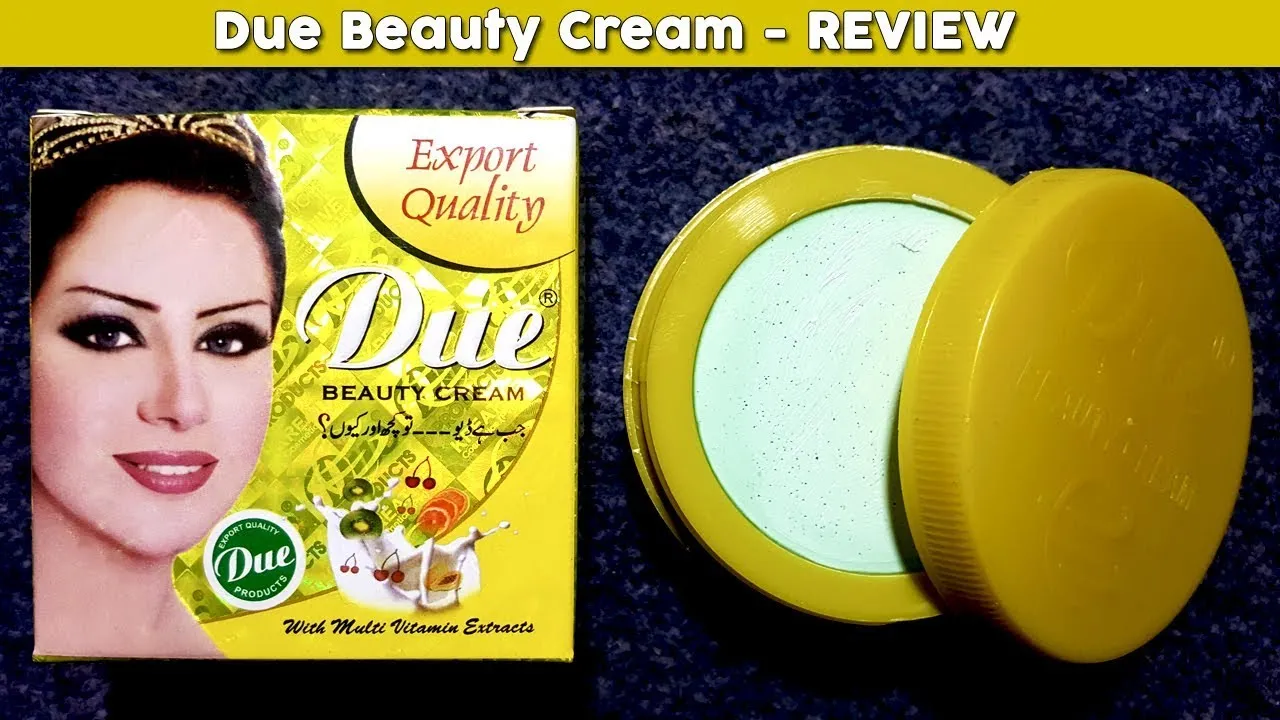
Due Whitening Cream Ingredients Top 7 Secrets!
Achieving a brighter, more even skin tone is a common goal, and due whitening creams have become increasingly popular in the skincare market. However, navigating the world of due whitening cream ingredients can be tricky. Understanding what’s in these creams is crucial for making informed decisions and ensuring you’re using products that are both effective and safe. This article delves into the top 7 secrets of due whitening cream ingredients, providing a comprehensive guide to help you achieve your desired results. We’ll explore the active compounds, their mechanisms of action, benefits, and potential side effects, as well as crucial considerations for safe and effective use. By understanding these secrets, you can make informed choices about the products you use and achieve a radiant complexion.
Hydroquinone
Hydroquinone is a potent skin-lightening agent widely used in due whitening creams. It works by inhibiting the enzyme tyrosinase, which is essential for melanin production. Melanin is the pigment responsible for skin color, so by reducing its production, hydroquinone helps to lighten the skin. However, its use is often debated due to potential side effects, making it important to understand its role in due whitening cream ingredients.
Understanding Hydroquinone
Hydroquinone is a derivative of benzene and is available in various concentrations in over-the-counter and prescription products. It is typically used to treat hyperpigmentation conditions such as melasma, age spots, and post-inflammatory hyperpigmentation. The effectiveness of hydroquinone makes it a cornerstone in many due whitening cream formulas. It’s crucial to use hydroquinone under the guidance of a dermatologist, as its concentration and duration of use need to be carefully managed to minimize risks.
Benefits of Hydroquinone
The primary benefit of hydroquinone is its ability to significantly lighten dark spots and even out skin tone. It can lead to visible results within a few weeks of consistent use. It’s particularly effective for treating localized areas of hyperpigmentation. Moreover, hydroquinone can be combined with other active ingredients like retinoids and corticosteroids to enhance its efficacy and reduce potential irritation. The combination therapies further amplify the whitening effect, making it a popular ingredient in due whitening creams.
Potential Side Effects of Hydroquinone
While effective, hydroquinone can cause several side effects. Common side effects include skin irritation, redness, and dryness. More serious side effects include ochronosis, a permanent bluish-black discoloration of the skin, which is more likely with long-term use. Due to these potential risks, hydroquinone use should be closely monitored by a dermatologist, and it should not be used for extended periods without professional supervision. Alternatives and precautions should always be considered, especially for sensitive skin.
Retinoids

Retinoids, derived from vitamin A, are another key ingredient in due whitening creams. They promote skin cell turnover, exfoliate the skin, and increase collagen production. This combination of actions helps to lighten dark spots, improve skin texture, and reduce the appearance of wrinkles. Retinoids are a versatile ingredient with multiple benefits, making them a valuable component in skin whitening formulations.
The Role of Retinoids
Retinoids work by accelerating skin cell turnover, which helps to shed the top layer of pigmented skin cells. They also stimulate the production of new collagen, improving the skin’s elasticity and reducing the appearance of fine lines and wrinkles. This dual action makes retinoids a powerful tool for both skin whitening and anti-aging. Additionally, retinoids can enhance the effectiveness of other whitening agents by improving their penetration into the skin. They contribute to a more radiant and youthful complexion, making them a crucial component of many due whitening creams.
Types of Retinoids
There are several types of retinoids, each with varying strengths and potencies. Retinol is a common over-the-counter retinoid, while tretinoin and adapalene are prescription-strength retinoids. Retinyl palmitate is a milder form often found in cosmetic products. The choice of retinoid depends on the individual’s skin type, the severity of hyperpigmentation, and the desired results. It’s crucial to start with a lower concentration and gradually increase it to minimize irritation. Prescription-strength retinoids provide more potent effects, but also carry a higher risk of side effects and require the guidance of a dermatologist.
Precautions When Using Retinoids

Retinoids can cause skin irritation, dryness, and increased sensitivity to the sun. It’s important to introduce retinoids gradually and to use a broad-spectrum sunscreen daily. Avoid using retinoids with other potentially irritating ingredients, such as AHAs and BHAs, unless specifically recommended by a dermatologist. Pregnant or breastfeeding women should consult their healthcare provider before using retinoids, as they may pose risks. Consistent use of sunscreen is essential to protect the skin and maximize the benefits of retinoids. Proper use ensures optimal outcomes and minimizes adverse effects.
Vitamin C
Vitamin C is a powerful antioxidant that protects the skin from free radical damage and brightens the complexion. It inhibits melanin production and can help to reduce dark spots and hyperpigmentation. Its multifaceted benefits make it a popular ingredient in due whitening creams, promoting a more even and radiant skin tone.
Benefits of Vitamin C for Skin Whitening
Vitamin C acts as a potent antioxidant, neutralizing free radicals that can damage skin cells and lead to premature aging and hyperpigmentation. It inhibits tyrosinase, the enzyme involved in melanin production, helping to lighten dark spots and brighten the skin. Furthermore, vitamin C promotes collagen synthesis, improving skin elasticity and reducing the appearance of wrinkles. Regular use can result in a brighter, more even skin tone and a more youthful appearance. Vitamin C also protects the skin from sun damage, enhancing the overall efficacy of due whitening creams.
Forms of Vitamin C in Creams
Vitamin C comes in various forms in due whitening creams, each with different stability and efficacy levels. L-ascorbic acid is the most potent form, but it can be unstable and may oxidize quickly. Other forms, such as sodium ascorbyl phosphate, ascorbyl palmitate, and tetrahexyldecyl ascorbate, are more stable and can penetrate the skin more effectively. The best form of vitamin C for your skin depends on its sensitivity and the cream’s formulation. Look for creams that contain a stable form of vitamin C and are packaged in airtight containers to maintain potency.
Alpha Arbutin
Alpha arbutin is a natural skin-lightening agent derived from the bearberry plant. It inhibits tyrosinase, thereby reducing melanin production and helping to lighten dark spots and hyperpigmentation. It’s a popular ingredient in due whitening creams, known for its effectiveness and gentleness on the skin.
How Alpha Arbutin Works
Alpha arbutin works by competitively inhibiting tyrosinase, the enzyme responsible for melanin production. This mechanism reduces the formation of melanin, leading to a lighter skin tone. Alpha arbutin is more stable and effective than its counterpart, beta arbutin. It is typically well-tolerated, making it a suitable option for those with sensitive skin. Its effectiveness is enhanced when combined with other ingredients like vitamin C or niacinamide, providing comprehensive skin-lightening benefits. Continuous use helps to achieve a brighter, more even complexion.
Effectiveness of Alpha Arbutin

Alpha arbutin is effective in reducing the appearance of dark spots, acne scars, and other forms of hyperpigmentation. It is also known for its ability to improve skin tone and texture, leading to a more radiant complexion. Results are usually visible within a few weeks of consistent use. The effectiveness of alpha arbutin is often enhanced when combined with other skin-lightening agents. It’s a safe and effective alternative to harsher ingredients like hydroquinone, making it a valuable component in due whitening creams.
Kojic Acid
Kojic acid is a natural compound derived from various fungi. It functions as a skin-lightening agent by inhibiting tyrosinase, the enzyme responsible for melanin production. Kojic acid is widely used in due whitening creams to reduce dark spots, even out skin tone, and brighten the complexion. Its efficacy and versatility make it a common ingredient in various skincare products.
Kojic Acid’s Mechanism of Action
Kojic acid works by inhibiting tyrosinase, thereby preventing the production of melanin. This mechanism effectively lightens the skin and reduces the appearance of dark spots and hyperpigmentation. In addition to its skin-lightening properties, kojic acid also possesses antioxidant and anti-inflammatory effects. Its ability to penetrate the skin and target melanin production makes it a valuable ingredient in due whitening creams. Regular use can lead to a more even and radiant skin tone.
Kojic Acid Effectiveness
Kojic acid is effective in treating melasma, sunspots, and post-inflammatory hyperpigmentation. It’s often used in concentrations between 1% and 4% in due whitening creams. Results can be observed within a few weeks of consistent use. However, kojic acid can cause skin irritation and sensitivity in some individuals, especially at higher concentrations. It’s essential to start with a lower concentration and gradually increase it, monitoring the skin for any adverse reactions. Combining kojic acid with other ingredients can enhance its effectiveness and reduce potential irritation.
Niacinamide
Niacinamide, a form of vitamin B3, is a versatile skincare ingredient with multiple benefits, including skin-lightening properties. It inhibits the transfer of melanosomes (melanin-containing granules) to skin cells, reducing the appearance of dark spots and hyperpigmentation. Niacinamide also has anti-inflammatory and antioxidant properties, making it a valuable ingredient in due whitening creams.
Benefits of Niacinamide
Niacinamide offers several benefits for the skin, including reducing hyperpigmentation, improving skin elasticity, and minimizing the appearance of pores. It strengthens the skin barrier, reduces inflammation, and protects against environmental damage. Its versatile properties make it suitable for various skin types, including sensitive skin. Additionally, niacinamide can help control oil production and reduce acne breakouts. This combination of benefits contributes to a clearer, brighter, and healthier complexion. Consistent use of niacinamide can result in a more even skin tone and improved overall skin health.
Niacinamide in Whitening Creams

In due whitening creams, niacinamide helps to reduce the appearance of dark spots and hyperpigmentation by inhibiting the transfer of melanin to skin cells. It also enhances the effectiveness of other skin-lightening ingredients, such as hydroquinone and alpha arbutin. Niacinamide is typically well-tolerated and is a safe and effective ingredient for long-term use. It’s often combined with other antioxidants and skin-lightening agents to provide comprehensive benefits. Look for formulations with a concentration of 2-5% for optimal results. The addition of niacinamide boosts the effectiveness and improves the overall performance of due whitening creams.
Chemical Peels
Chemical peels are often used in conjunction with due whitening creams to enhance their effectiveness. These treatments involve applying a chemical solution to the skin, causing it to exfoliate and peel off. This process removes the top layer of damaged skin cells, revealing a brighter, more even skin tone. Chemical peels can also stimulate collagen production, improving skin texture and reducing the appearance of fine lines and wrinkles. They are a powerful tool for skin rejuvenation and are often used to complement the effects of due whitening cream ingredients.
Ingredients to Avoid
When choosing due whitening creams, it’s crucial to be aware of potentially harmful ingredients that may cause adverse effects. Certain ingredients can irritate the skin, increase sun sensitivity, or even pose long-term health risks. Being informed about these ingredients empowers you to make safer and more effective choices for your skincare routine. Careful ingredient analysis is crucial to avoid products that may compromise your skin’s health and overall well-being.
Harmful Ingredients
Some ingredients to avoid in due whitening creams include excessive amounts of hydroquinone, especially in products without medical supervision. Mercury, often found in unregulated products, is highly toxic and should be strictly avoided. High concentrations of corticosteroids can thin the skin and cause other adverse effects. Harsh exfoliants, such as high concentrations of AHAs or BHAs, may irritate and damage the skin. Always check the ingredient list carefully and choose products from reputable brands to minimize the risk of exposure to these harmful ingredients. Additionally, avoid products with vague or incomplete ingredient lists.
Safe Ingredient Alternatives
Several safe and effective alternatives to potentially harmful ingredients are available in due whitening creams. Consider formulas with alpha arbutin, kojic acid, niacinamide, and vitamin C. These ingredients offer skin-lightening benefits with fewer risks. Retinoids can be used under the guidance of a dermatologist to minimize irritation. Always prioritize products with gentle, well-researched ingredients and avoid those with excessive or poorly understood additives. Look for products with broad-spectrum sunscreens to protect against sun damage. Consulting a dermatologist can help you identify the best ingredients and formulations for your skin type and concerns. Making informed choices is essential for achieving desired results safely and effectively.