DIY Teeth Whitening Strips Top 5 Methods
Achieving a brighter smile doesn’t always require expensive professional treatments. DIY teeth whitening strips offer a cost-effective and accessible alternative, using natural ingredients found in your kitchen. These methods avoid hydrogen peroxide, focusing on gentle yet effective approaches to remove stains and brighten your teeth. This guide explores five popular DIY methods to create your own whitening strips, ensuring you can embark on your journey to a whiter smile with confidence. It also covers essential tips and considerations for safe and effective at-home teeth whitening.
Baking Soda and Water Method
Baking soda, a mild abrasive, is a common ingredient in many DIY teeth whitening recipes. When combined with water, it forms a paste that can help scrub away surface stains. This method is simple, affordable, and accessible. It’s important to note that the effectiveness of baking soda varies, and it may not produce dramatic results immediately, but regular use can contribute to a gradual whitening effect.
How to Prepare the Baking Soda Paste
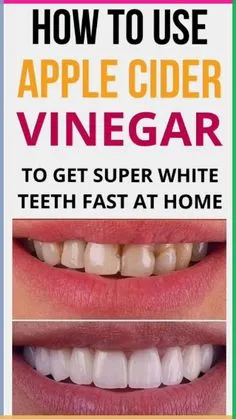
To prepare the baking soda paste, mix one tablespoon of baking soda with enough water to form a thick paste. Start with a small amount of water and add more until you reach the desired consistency. Ensure there are no lumps, and the mixture is smooth. Avoid using too much water, as this will make the paste runny and difficult to apply. A slightly grainy texture is normal and helps with the mild abrasive action.
Application and Usage
Apply the paste to your teeth, ensuring even coverage. You can use a soft-bristled toothbrush or your finger. Gently brush your teeth for about two minutes, using small, circular motions. Avoid brushing too aggressively, as this can damage your enamel. After brushing, rinse your mouth thoroughly with water to remove any remaining paste. Use this method once or twice a week to see gradual improvements. Overuse can potentially lead to increased sensitivity.
Coconut Oil and Baking Soda Mix
Coconut oil is known for its antibacterial properties and can help remove plaque and bacteria. Combining it with baking soda creates a powerful yet gentle whitening treatment. This method offers the benefits of both ingredients, promoting oral health while working to brighten teeth. The oil also helps to create a smoother paste and can add a pleasant flavor.
Creating the Coconut Oil Paste

Combine one tablespoon of coconut oil with one tablespoon of baking soda in a small bowl. Mix the ingredients until they form a smooth paste. You may need to adjust the proportions slightly depending on the consistency of the coconut oil (temperature can affect it). A warmer environment can make the oil softer, so adjust the baking soda accordingly. The paste should be easy to apply and stay on your teeth without dripping.
Application Guidelines
Apply the coconut oil and baking soda paste to your teeth using a toothbrush. Brush gently for about two minutes, paying attention to all surfaces of your teeth. The coconut oil adds a pleasant taste, making the brushing experience more enjoyable. Rinse your mouth thoroughly with water afterward. This method can be used a few times a week. If you have sensitive teeth, reduce the frequency to once a week.
Strawberry and Baking Soda Treatment
Strawberries contain malic acid, which can act as a natural enamel whitener. When combined with baking soda, the abrasive action can help to remove surface stains and brighten teeth. This method is a popular choice, offering a pleasant flavor and a natural approach to teeth whitening. Strawberries are rich in Vitamin C, contributing to overall oral health.
Mixing the Strawberry Paste

Mash one or two ripe strawberries into a pulp. Add half a teaspoon of baking soda to the mashed strawberries and mix well. The mixture should have a slightly grainy texture. Adjust the amount of baking soda to achieve the desired consistency. The paste should be thick enough to stay on your teeth but not too gritty.
Application and Whitening Process
Apply the strawberry and baking soda paste to your teeth, ensuring all surfaces are covered. Leave the paste on your teeth for about 5 minutes. Then, gently brush your teeth for about a minute and rinse thoroughly with water. This method can be used once a week. Be cautious not to overuse this method as the acidity of the strawberries can potentially erode the enamel if used too frequently.
Lemon Juice and Baking Soda
Lemon juice, similar to strawberries, contains citric acid, which can help whiten teeth. However, it’s crucial to use this method with caution due to the acidity of lemon juice. When combined with baking soda, it creates a powerful, yet potentially harsh, whitening treatment. This method must be used sparingly to avoid enamel damage.
Preparing the Lemon and Soda Mix

Mix a small amount of lemon juice (a few drops) with baking soda to create a paste. Start with a small amount of lemon juice and add more until you achieve a paste-like consistency. The mixture will fizz slightly. It is essential not to make the paste too acidic, as this can be harmful to your teeth. Only use a tiny amount of lemon juice to minimize the risk of enamel erosion.
Application and Precautions
Apply the lemon juice and baking soda paste to your teeth, ensuring complete coverage. Leave the paste on your teeth for no more than one minute. After one minute, rinse your mouth thoroughly with water. It is crucial to use this method very sparingly, perhaps once a month at most. The acidity of lemon juice can damage enamel if used too often. If you experience any sensitivity or discomfort, discontinue use immediately.
Activated Charcoal Strips
Activated charcoal is a popular ingredient for teeth whitening, known for its ability to absorb stains and impurities. Using activated charcoal in a DIY whitening strip can offer an effective way to brighten teeth. Make sure to use a food-grade activated charcoal, as it is safe for oral use. The charcoal’s porous nature helps to draw out stains from the teeth’s surface.
Making the Activated Charcoal Paste
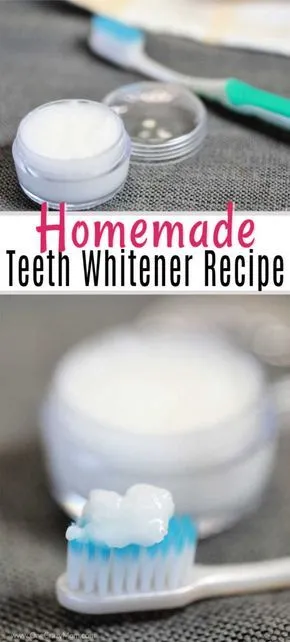
Mix activated charcoal powder with a small amount of water to form a paste. The consistency should be thick enough to stick to your teeth. You can also add a few drops of coconut oil to the mixture to help it adhere better and add antibacterial properties. Ensure the charcoal is finely ground to avoid any abrasive effect. The paste should be a dark, uniform color.
Application and Considerations
Apply the activated charcoal paste to your teeth, ensuring all surfaces are covered. Leave the paste on your teeth for about two minutes. Rinse your mouth thoroughly with water, ensuring all the charcoal is removed. Activated charcoal can be messy, so be cautious when applying and rinsing. Brush your teeth afterward to remove any remaining residue. Use this method once or twice a week, or as needed. Avoid swallowing the charcoal.
Tips for Effective DIY Teeth Whitening
Achieving noticeable results with DIY teeth whitening requires consistency and adherence to best practices. These tips can help maximize the effectiveness of your at-home treatments and ensure you maintain a healthy, bright smile. Remember to be patient and persistent, as results often take time. Proper technique and consistent use are key factors in success.
Consistent Application for Results
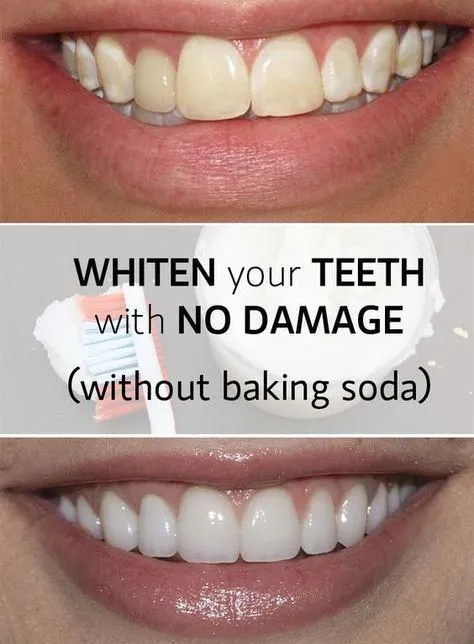
Regular and consistent use of your chosen DIY whitening method is essential for seeing results. Follow the recommended frequency for each method, avoiding overuse to prevent potential enamel damage or increased sensitivity. Keep a consistent schedule, such as whitening once or twice a week, depending on the method. Track your progress to assess the effectiveness and make any necessary adjustments. The key is to be patient and consistent in your efforts.
Importance of Oral Hygiene
Maintaining good oral hygiene is critical for maximizing the effectiveness of your DIY teeth whitening efforts and for overall dental health. Brush your teeth twice a day with fluoride toothpaste, and floss daily to remove plaque and food particles. Regular dental check-ups and professional cleanings can help remove stubborn stains and maintain a healthy mouth. A clean mouth allows the whitening agents to work more effectively and protects your teeth from decay and other issues.
Dietary Adjustments for Whitening
Certain foods and drinks can stain your teeth, making it harder to achieve a brighter smile. Limit your consumption of staining agents such as coffee, tea, red wine, and dark-colored berries. Rinse your mouth with water after consuming these items to minimize their effects. Incorporate teeth-friendly foods like apples and celery into your diet, as these can help remove plaque and stimulate saliva production, which naturally cleans your teeth.
When to See a Dentist

While DIY teeth whitening strips can be effective, it’s essential to know when to seek professional help. If you experience tooth sensitivity, gum irritation, or any other dental problems, consult your dentist immediately. Professional treatments are more effective and safer than DIY methods. Additionally, a dentist can identify underlying issues causing discoloration and offer tailored solutions.
DIY teeth whitening strips provide an accessible and affordable way to enhance your smile. By using natural ingredients and following the correct methods, you can achieve brighter teeth from the comfort of your home. Remember to use these techniques with caution, prioritize good oral hygiene, and consult with a dentist for any concerns. Embrace the journey to a confident smile and enjoy the benefits of these DIY teeth whitening methods.