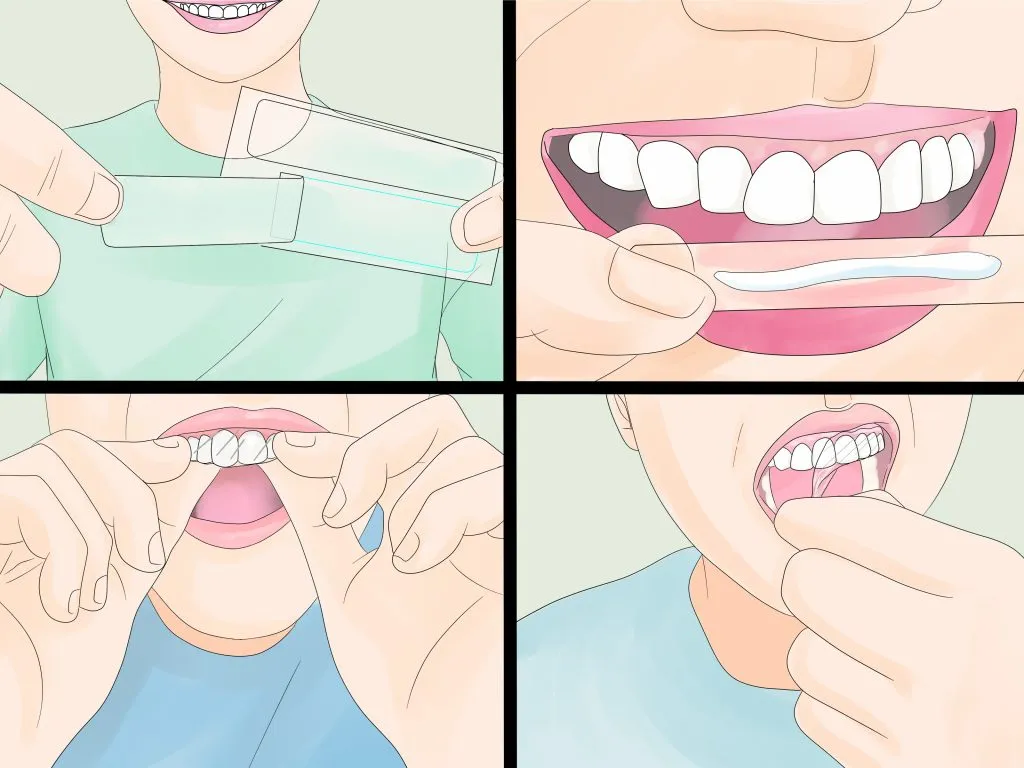
What are Crest Whitening Strips
Crest Whitening Strips have revolutionized the at-home teeth whitening market, offering a convenient and relatively affordable way to achieve a brighter smile. These strips are thin, flexible pieces of plastic coated with a whitening gel. The active ingredient in the gel is typically hydrogen peroxide or carbamide peroxide, which penetrates the enamel to break down stains and discoloration. These strips have become incredibly popular, largely due to their ease of use and the noticeable results they can provide in just a few weeks. The product’s design is tailored to adhere to the teeth effectively, ensuring the whitening agent has direct contact for maximum impact. They are readily available, making them a go-to choice for many seeking to enhance their smiles without professional intervention.
How Crest Whitening Strips Work
The mechanism behind Crest Whitening Strips involves a chemical reaction that breaks down stain molecules within the enamel. The active peroxide agents in the whitening gel, either hydrogen peroxide or carbamide peroxide, penetrate the porous structure of the tooth enamel. As these agents come into contact with the stained molecules, they undergo an oxidation process. This process essentially breaks the bonds of the stain molecules, causing them to disperse and become less concentrated. This action results in the visual effect of teeth appearing whiter. The duration and frequency of use vary depending on the product type and the extent of staining, with the overall goal being to lighten the teeth several shades over the treatment period.
The Science Behind Teeth Whitening

The science of teeth whitening revolves around the chemical composition of tooth enamel and the reactions of whitening agents. Tooth enamel is naturally porous, and over time, stains from food, drinks, and tobacco accumulate within these pores, leading to discoloration. Whitening agents, like hydrogen peroxide, work by releasing oxygen molecules that penetrate the enamel. These oxygen molecules then react with the stain molecules, breaking them into smaller, less visible components. The effectiveness of whitening depends on factors like the concentration of the peroxide, the contact time, and the initial level of staining. The process is carefully designed to remove stains without causing significant damage to the tooth structure, although some sensitivity can occur. The aim is to restore the natural whiteness of the teeth, or even exceed it slightly, offering a brighter, more aesthetically pleasing smile.
Fact 1 Is it Safe to Brush After Crest Whitening Strips
The question of whether you should brush your teeth immediately after using Crest Whitening Strips is crucial for maximizing their effectiveness and minimizing potential side effects. The general recommendation is not to brush your teeth immediately after applying the strips. This guidance is based on how the active ingredients interact with the enamel and the potential for increased sensitivity. Understanding this helps you get the best results from the product. Adhering to the recommended guidelines will lead to better results. By following these recommendations, users can enhance the whitening process and maintain the health of their teeth.
Understanding the Sensitivity Issue
Teeth sensitivity is a common experience for many users of whitening strips. The whitening agents, particularly peroxide, can temporarily make the teeth more sensitive to temperature and pressure. Brushing immediately after using the strips can exacerbate this sensitivity. This is because the enamel may be slightly more vulnerable immediately after treatment. The abrasive action of brushing, combined with the active whitening agents, can further irritate the teeth and gums, leading to discomfort. Abrasive toothpastes can further contribute to this effect. The key is to allow the enamel to stabilize after the whitening process to avoid or minimize any sensitivity.
What to Do if You Experience Sensitivity

If you experience sensitivity after using whitening strips, there are several steps you can take to alleviate the discomfort. Using a toothpaste designed for sensitive teeth can help to block the pathways to the nerves, reducing the sensation of pain. Avoid extremely hot or cold foods and drinks, as these can trigger sensitivity. Applying a fluoride treatment can also strengthen the enamel and reduce sensitivity. Over-the-counter pain relievers, such as ibuprofen, can help manage any pain. Consult your dentist if the sensitivity is severe or persistent, as they may recommend other treatments or adjust your whitening schedule. By taking these precautions, you can manage sensitivity effectively and continue with your whitening treatment.
Fact 2 Why You Shouldn’t Brush Immediately After
Brushing your teeth immediately after using Crest Whitening Strips can interfere with the whitening process and potentially cause harm. The primary reason is the potential to remove the whitening agent before it has fully worked. The abrasive action of brushing can also disrupt the contact time needed for the gel to effectively penetrate the enamel and break down stains. Moreover, brushing immediately can irritate the gums, particularly if they are already sensitive from the whitening treatment. Allowing the recommended waiting period ensures that the whitening agent remains on the teeth for the optimal time, giving it the best chance to work and minimizing the risk of adverse effects.
The Impact of Abrasives on Enamel
Toothpaste contains abrasive agents that help remove plaque and surface stains from your teeth. However, brushing immediately after applying whitening strips can increase the abrasive action on your enamel. This can potentially lead to enamel erosion over time, making your teeth more susceptible to sensitivity and decay. The combination of the whitening gel and the abrasive action of the brush can be particularly harsh. This is because the enamel may be slightly softened during the whitening process. Therefore, it’s crucial to allow time for your enamel to recover. Using a soft-bristled toothbrush can help minimize the abrasive effect. You can avoid damaging your enamel by waiting before brushing.
The Chemical Reactions at Play

The chemical reactions triggered by the whitening strips involve the breakdown of stain molecules within the enamel. Brushing immediately after can disrupt these reactions. It can interfere with the peroxide’s ability to fully penetrate the enamel. It may also remove some of the whitening agent before it has the chance to react completely with the stains. Allowing the recommended waiting period helps ensure that these chemical processes occur unimpeded. It also allows the enamel to re-mineralize. Brushing too soon can thus reduce the effectiveness of the whitening process, leading to less dramatic results. By allowing the recommended waiting period, you’re enabling the best possible outcome for your teeth whitening treatment.
Fact 3 The Recommended Wait Time
The ideal waiting period after using Crest Whitening Strips before brushing your teeth is typically around 30 minutes. This time frame is recommended to ensure that the whitening agent has ample opportunity to work and to allow the enamel to re-mineralize. It also reduces the risk of sensitivity. Waiting for 30 minutes gives the enamel time to stabilize after the whitening process. This gives the best conditions for the whitening strips to work effectively. During this time, the active ingredients continue to break down stains. This is crucial for achieving optimal results. Following this guideline can significantly impact both the effectiveness of the whitening treatment and the overall health of your teeth.
Why 30 Minutes is Important
The 30-minute waiting period is important for several reasons. Firstly, it allows the whitening agent to fully penetrate the enamel and break down stain molecules. Secondly, it gives the enamel time to re-mineralize, reducing the risk of sensitivity and protecting the teeth from potential damage. Lastly, this waiting period ensures that the active ingredients have enough contact time to achieve the best whitening results. This is a critical part of the whitening process. Adhering to this recommendation will help maintain the health and appearance of your teeth. Following this simple step helps optimize the results of your whitening treatment. By following the 30-minute rule, users will enjoy the best of both worlds - whiter teeth and reduced sensitivity.
What Happens if You Brush Too Soon

Brushing too soon after using Crest Whitening Strips can have several negative consequences. It can reduce the effectiveness of the whitening process by removing the active ingredients before they have fully worked. It can increase tooth sensitivity by disrupting the enamel before it has a chance to re-mineralize. Brushing with an abrasive toothpaste can exacerbate this sensitivity. It can potentially irritate the gums. This may lead to discomfort or inflammation. By brushing too early, you might be hindering the whitening process and potentially compromising your oral health. To achieve the best results and avoid potential side effects, it is crucial to adhere to the recommended waiting time. This will not only make your teeth whiter but also protect them.
Fact 4 How to Maintain Your White Smile
Maintaining a bright, white smile after using Crest Whitening Strips involves a consistent oral hygiene routine and lifestyle adjustments. Brushing your teeth twice a day with a non-abrasive toothpaste is essential to remove plaque and prevent new stains from forming. Flossing daily helps to eliminate food particles and bacteria from between your teeth, where staining can occur. Regular dental check-ups and cleanings are also crucial for maintaining optimal oral health and removing any accumulated stains. Moreover, avoiding or limiting foods and drinks that stain teeth, such as coffee, tea, red wine, and dark-colored berries, can greatly extend the life of your whitening results. These practices contribute to keeping your smile radiant.
Best Practices for Post-Strip Care
After using Crest Whitening Strips, a few best practices can maximize the longevity of your results. After waiting the recommended 30 minutes, brush your teeth gently with a soft-bristled toothbrush. Use a toothpaste that is designed for sensitive teeth. This can help to reduce any potential irritation. Rinse your mouth with water or an alcohol-free mouthwash to remove any remaining gel residue. Avoid smoking, as tobacco use can quickly stain your teeth and reverse the whitening effects. Consider using a whitening toothpaste or mouthwash as part of your daily routine to help maintain brightness. Schedule regular dental check-ups to address any potential issues. Following these practices ensures that you maintain your white smile for a long time.
Foods and Drinks to Avoid

Certain foods and drinks can stain your teeth and diminish the results of your whitening treatment. To preserve your bright smile, it’s best to limit your consumption of these items. Coffee and tea contain tannins, which can stain tooth enamel. Red wine is another culprit due to its high concentration of tannins. Dark-colored sodas and sports drinks can also contribute to staining. Foods like berries, especially blueberries and blackberries, and heavily pigmented sauces like soy sauce and balsamic vinegar can also stain your teeth. If you do consume these items, rinse your mouth with water immediately afterward or brush your teeth 30 minutes later to minimize staining.
Fact 5 Alternative Whitening Methods
Besides Crest Whitening Strips, there are several alternative methods for achieving a brighter smile. Whitening toothpastes use mild abrasives or chemical agents to remove surface stains. Over-the-counter whitening gels and trays provide a more controlled approach to whitening. Professional teeth whitening performed by a dentist often delivers the most dramatic results. The choice of method depends on individual preferences, budget, and the desired level of whitening. Each method offers a unique approach to enhance the brightness of your teeth. Understanding the advantages and disadvantages of each option can help you choose the best solution for your needs. This allows you to achieve a whiter smile tailored to your specific goals.
Professional Whitening Options
Professional teeth whitening, performed by a dentist, is often considered the most effective method for achieving significant whitening results. Dentists use stronger concentrations of hydrogen peroxide or carbamide peroxide than those found in at-home products. They often apply the whitening agent under controlled conditions using special equipment, such as a high-intensity light or laser, to accelerate the whitening process. Professional whitening typically provides immediate and dramatic results, often lightening teeth by several shades in a single session. While professional whitening is generally more expensive than at-home options, it is often more effective. It is also performed under the supervision of a dental professional. This ensures safety and addresses any potential issues.
At-Home Whitening Kits Compared

Compared to Crest Whitening Strips, other at-home whitening kits offer varying levels of effectiveness and convenience. Whitening gels applied using custom-fitted trays provide a more personalized whitening experience. These trays are made to fit your teeth precisely, ensuring even coverage and maximizing the whitening agent’s contact with the enamel. Whitening toothpastes, while less potent than other methods, are a convenient option for maintaining a brighter smile. They gently remove surface stains with regular brushing. Over-the-counter whitening strips vary in their formulation and strength. It’s essential to choose a product that aligns with your whitening goals. Consider factors such as the concentration of the active ingredient and the recommended treatment duration. This helps you make an informed decision.