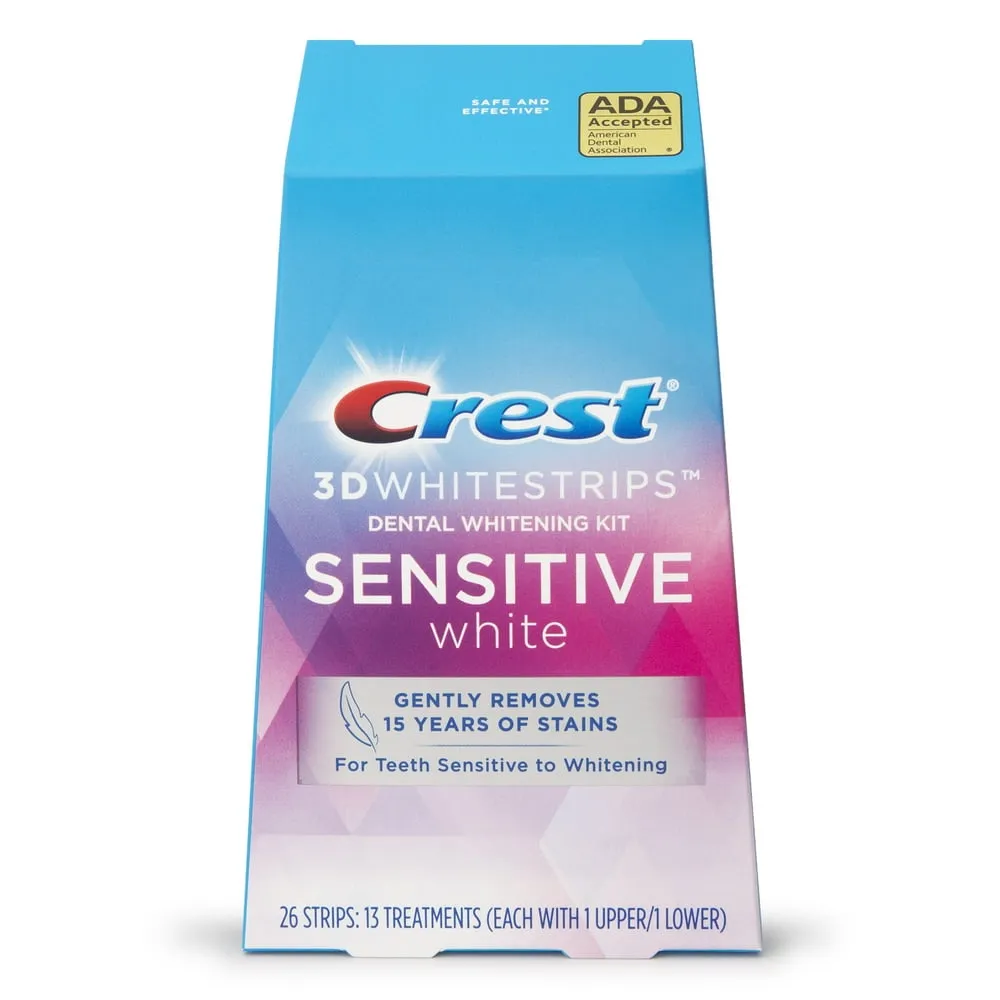
Understanding Crest 3D Whitening Therapy and Sensitivity
Crest 3D Whitening Therapy has become a popular choice for those seeking a brighter smile. However, a common concern among users is the potential for increased tooth sensitivity. This article delves into the intricacies of Crest 3D Whitening Therapy and its relationship with tooth sensitivity, providing guidance on how to manage and minimize any discomfort. We’ll explore the science behind the whitening process, the reasons why sensitivity occurs, and practical steps you can take to enjoy a whiter smile without compromising your comfort. This comprehensive guide aims to equip you with the knowledge to make informed decisions about your oral care and achieve the smile you desire.
What is Crest 3D Whitening Therapy?
Crest 3D Whitening Therapy encompasses a range of products designed to whiten teeth, with the most popular being whitening strips. These strips contain a bleaching agent, typically hydrogen peroxide, that penetrates the enamel to break down stains and discoloration. The 3D aspect refers to the way the strips are designed to conform to the shape of your teeth, ensuring maximum contact and coverage. Crest offers various formulations, from gentle options for sensitive teeth to more potent versions for stubborn stains. Choosing the right product depends on your individual needs and the severity of your discoloration. It is crucial to understand the different types of Crest 3D Whitening Therapy to use it appropriately for effective results.
How Crest 3D Whitening Works

The whitening process hinges on the ability of the bleaching agent to oxidize the molecules causing stains within the tooth enamel. When the hydrogen peroxide in Crest 3D Whitening strips comes into contact with these stained molecules, it breaks them down, leading to a lightening effect. The strips are designed to adhere closely to the teeth, maximizing the contact time between the whitening agent and the enamel. This allows for effective stain removal and a brighter smile. The duration of the treatment and the concentration of the bleaching agent influence the degree of whitening achieved. Understanding the mechanism of action behind Crest 3D Whitening is crucial to understanding the potential for sensitivity.
Common Causes of Tooth Sensitivity
Tooth sensitivity can stem from various factors, often related to the structure of your teeth. Enamel, the outermost layer of the tooth, protects the underlying dentin. When enamel wears away or becomes thin, the dentin is exposed. Dentin contains tiny tubules that lead directly to the tooth’s nerve. When these tubules are exposed to hot, cold, sweet, or acidic substances, they can trigger nerve responses, resulting in sensitivity. Other causes include receding gums, aggressive brushing, and certain dental procedures. Identifying the root cause of your sensitivity is essential for finding an appropriate solution and managing the discomfort effectively, whether you are using Crest 3D Whitening Therapy or not.
Sensitivity and Crest 3D Whitening Therapy
Why Crest 3D Whitening Can Cause Sensitivity

The active ingredient in Crest 3D Whitening strips, hydrogen peroxide, can cause sensitivity in several ways. It penetrates the enamel and dentin to reach the stain molecules, but during this process, it can also irritate the nerve within the tooth. Furthermore, the dehydrating effect of the bleaching agent can temporarily open the dentin tubules, making the teeth more susceptible to external stimuli. This combination of irritation and dehydration contributes to the heightened sensitivity experienced by some users. The intensity of the sensitivity varies depending on the individual, the concentration of hydrogen peroxide in the product, and the duration of use. It is important to consider these factors and adapt your use accordingly.
Factors Influencing Sensitivity
Several factors can influence the degree of sensitivity experienced with Crest 3D Whitening Therapy. Pre-existing sensitivity, thin enamel, or receding gums can make you more prone to discomfort. Using a higher concentration of hydrogen peroxide or applying the strips for longer than recommended can also increase the likelihood of sensitivity. Furthermore, the frequency of use plays a significant role, with more frequent applications potentially leading to greater sensitivity. Individual tooth structure, oral hygiene habits, and dietary choices also contribute to the overall sensitivity level. Recognizing these factors will help you tailor your whitening regimen to minimize any negative side effects and maximize the benefits.
Managing Sensitivity While Using Crest 3D Whitening Therapy
Desensitizing Toothpaste
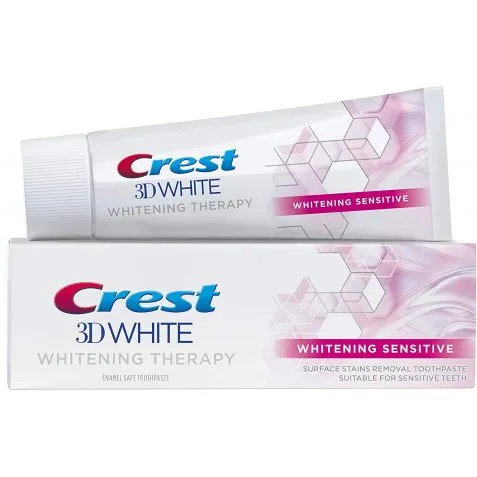
Desensitizing toothpaste can provide significant relief from tooth sensitivity. These toothpastes typically contain ingredients like potassium nitrate or stannous fluoride, which work by blocking the nerve signals that cause sensitivity. Use the desensitizing toothpaste for several weeks before starting Crest 3D Whitening and continue using it throughout the whitening process. Brush gently with a soft-bristled toothbrush to avoid further irritation. This proactive approach can greatly reduce the likelihood of experiencing discomfort. Choosing the right desensitizing toothpaste and using it consistently is a key step in managing sensitivity and enjoying the benefits of teeth whitening.
Using Fluoride Treatments
Fluoride strengthens tooth enamel and helps to block the dentin tubules, reducing sensitivity. You can use a fluoride mouthwash or have your dentist apply a professional fluoride treatment. Consider incorporating a fluoride rinse into your daily routine, especially during your whitening treatment. These treatments remineralize the enamel, making your teeth less vulnerable to sensitivity. Consult your dentist to determine the best fluoride treatment for your specific needs. Fluoride acts as a protective layer, reinforcing the tooth’s natural defenses against sensitivity triggers and promoting better oral health overall, enhancing the whitening results.
Adjusting the Frequency of Use
One of the simplest ways to manage sensitivity is to adjust the frequency of your Crest 3D Whitening treatments. If you experience sensitivity, reduce the number of consecutive days you use the strips. For instance, instead of using them every day for the recommended duration, try using them every other day, or even less frequently. Take breaks between treatments to allow your teeth to recover. This allows your teeth to adjust to the whitening agent and minimizes the potential for irritation. This approach balances the benefits of whitening with the need to prevent discomfort and is one of the most effective ways to tailor your whitening regimen.
Proper Brushing Techniques

Proper brushing techniques are crucial for overall oral health and can significantly impact tooth sensitivity. Use a soft-bristled toothbrush and brush gently, avoiding excessive pressure. Aggressive brushing can wear down the enamel and irritate the gums, exacerbating sensitivity. Brush your teeth twice a day for two minutes each time, using a gentle circular motion. Avoid brushing immediately after consuming acidic foods or drinks, as this can soften the enamel. Practicing good oral hygiene and using the correct brushing techniques are fundamental for maintaining the health of your teeth and mitigating the chances of sensitivity during whitening treatments.
Other Considerations
Consulting Your Dentist
Before starting any teeth whitening treatment, especially if you have pre-existing sensitivity, it’s wise to consult your dentist. They can assess your oral health, identify any underlying issues contributing to sensitivity, and recommend the most suitable whitening options for you. Your dentist can also provide professional fluoride treatments or prescribe a stronger desensitizing toothpaste. Regular dental check-ups are essential for maintaining optimal oral health and addressing any concerns you may have. A dental professional will guide you to the safest and most effective way to achieve your desired results.
Alternatives to Crest 3D Whitening Therapy
If you experience excessive sensitivity with Crest 3D Whitening Therapy, several alternatives are available. Your dentist can offer professional teeth whitening treatments, which may use different whitening agents or techniques. Consider alternative whitening methods, such as whitening toothpastes, which may be gentler on your teeth. The right option depends on your specific needs and the level of whitening you desire. Explore different products and consider consulting with your dentist, to determine which whitening treatment fits best. Remember that oral health is the priority.
In conclusion, while Crest 3D Whitening Therapy is an effective way to achieve a brighter smile, it can also lead to tooth sensitivity. By understanding the causes of sensitivity, taking preventive measures like using desensitizing toothpaste and fluoride treatments, adjusting the frequency of use, and practicing proper brushing techniques, you can minimize discomfort and enjoy your whitening experience. Consulting your dentist can provide personalized guidance and help you choose the most suitable whitening option. By implementing these strategies, you can confidently achieve a whiter, brighter smile without compromising your oral health and comfort.