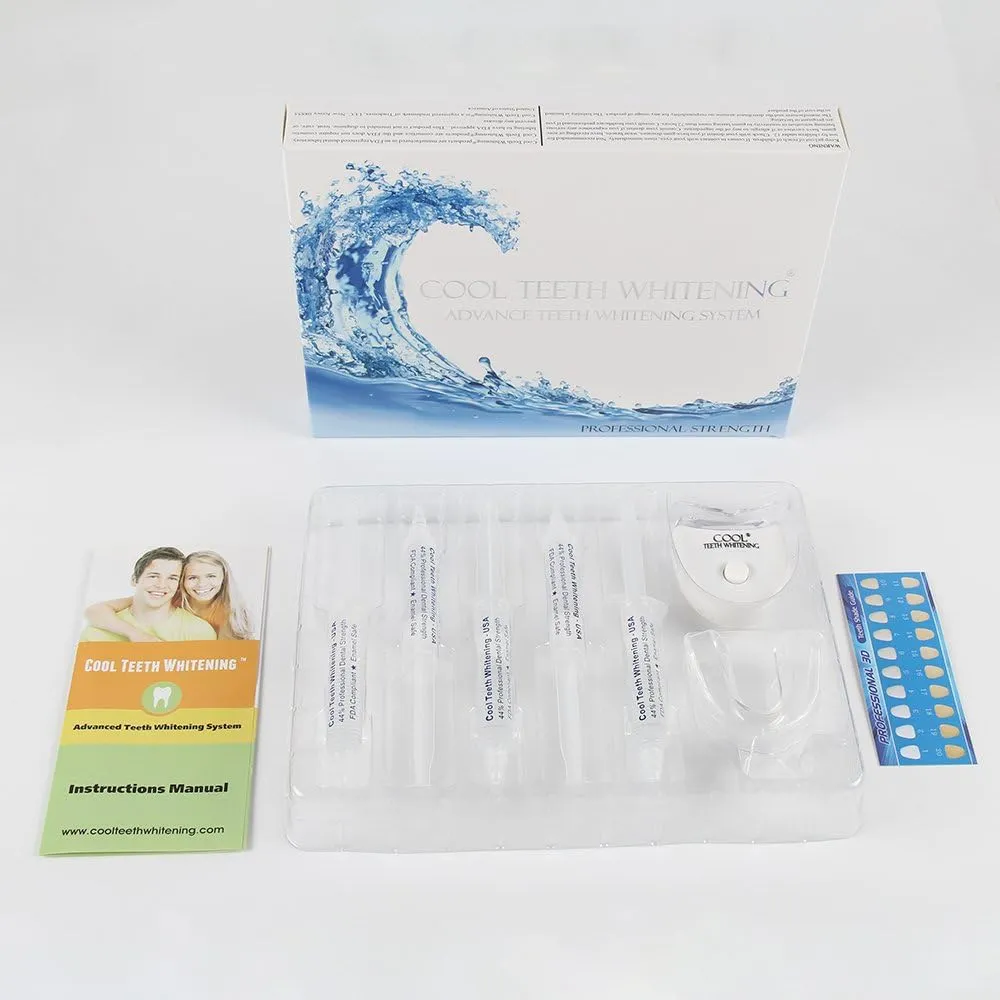
What is Cool Light Teeth Whitening
Cool light teeth whitening is a popular cosmetic dentistry procedure designed to brighten the color of your teeth. This treatment uses a special light in conjunction with a bleaching agent to remove stains and discoloration. It is often performed in a dental office, providing a more powerful and immediate result compared to over-the-counter whitening products. The procedure has gained popularity due to its effectiveness and relatively quick results. It offers a significant improvement in tooth shade in a single session, making it a preferred choice for people looking for a quick cosmetic enhancement.
How Cool Light Whitening Works
Cool light teeth whitening leverages a chemical reaction to break down stains on the enamel. The process is initiated by applying a whitening gel to the teeth. This gel typically contains a high concentration of hydrogen peroxide. The cool light, often a blue LED or halogen light, is then directed at the teeth. This light accelerates the bleaching process, causing the hydrogen peroxide to release oxygen molecules that penetrate the enamel and dentin. These oxygen molecules break down the stain molecules, resulting in a brighter, whiter smile.
The Science Behind Cool Light Technology

The science behind cool light technology involves photochemistry. The light emitted doesn’t generate heat, hence the ‘cool’ designation, making it safer for the tooth’s pulp. The light acts as a catalyst, speeding up the chemical reaction of the whitening agent. The specific wavelength of the light is selected to optimize the activation of the hydrogen peroxide. This careful balancing act ensures effective whitening with minimal risk of overheating the teeth or damaging the surrounding soft tissues. The process allows for a controlled and efficient whitening process.
The Whitening Gel
The whitening gel is the active agent in cool light teeth whitening. The primary ingredient is typically hydrogen peroxide, which comes in varying concentrations depending on the product and the dentist’s protocol. The higher the concentration, the faster the whitening process, but also the greater the potential for sensitivity. The gel is carefully applied to the surface of the teeth, ensuring all visible surfaces are covered. Dentists take precautions to protect the gums and other soft tissues from the bleaching agent to prevent irritation. The gel formulation often includes ingredients to enhance its stability and effectiveness.
The Role of the Cool Light
The cool light serves as a catalyst in the whitening process. Its primary role is to accelerate the chemical reaction of the whitening gel. The light’s specific wavelength is optimized to interact with the hydrogen peroxide molecules, making them more reactive. This interaction releases oxygen radicals, which break down the stain molecules. The use of a cool light ensures that the procedure is comfortable for the patient, as it prevents the buildup of heat, minimizing the potential for sensitivity. It makes the whitening process much faster and more effective than without the light.
The Procedure Step by Step

The cool light teeth whitening procedure is a straightforward process that generally takes about an hour. It is conducted in a dental office under the supervision of a trained professional. The steps include preparation, application of the whitening gel, light activation, and post-treatment instructions. The dentist carefully monitors the patient’s comfort and results throughout the procedure. It offers a safe and effective way to achieve a brighter smile within a relatively short amount of time. The entire process is geared towards maximizing the whitening effect while minimizing any discomfort or side effects.
Preparation Before Treatment
Before the procedure, the dentist will assess the patient’s teeth to determine if they are suitable for cool light whitening. This assessment involves a visual examination and possibly taking photos to track the progress. The teeth are cleaned to remove any plaque or debris, ensuring the whitening gel can effectively reach the enamel. The dentist will then isolate the gums with a protective barrier, such as a rubber dam or liquid dam, to prevent irritation from the whitening agent. This preparation phase is critical to ensure the safety and effectiveness of the whitening process. It also helps the dentist tailor the treatment to the patient’s individual needs.
The Application of the Whitening Gel
Once the preparation is complete, the dentist applies the whitening gel to the surface of the teeth. The gel is carefully applied to all visible surfaces, ensuring an even coverage. The concentration of the gel varies depending on the patient’s needs and the dentist’s protocol. The dentist then carefully monitors the application, ensuring the gel remains on the teeth. The gel typically remains on the teeth for a specified period, which can be between 15 to 20 minutes, depending on the product being used. This step is repeated several times during the same session to achieve the desired whitening effect.
Activating the Cool Light

After the whitening gel is applied, the cool light is activated and positioned over the patient’s teeth. The light is directed towards the teeth to accelerate the whitening process. The duration of the light exposure depends on the specific system and the dentist’s instructions. During the process, the patient typically wears protective eyewear to shield their eyes from the light. The dentist closely monitors the patient for any signs of discomfort or sensitivity. The cool light is essential to maximizing the effectiveness of the whitening treatment, speeding up the reaction of the hydrogen peroxide.
Aftercare and Maintenance
Aftercare is crucial to maintain the results of cool light teeth whitening. The dentist will provide specific instructions to help the patient maintain their brighter smile and reduce the risk of staining. Following these guidelines is essential for long-lasting results. Proper aftercare includes dietary restrictions, using appropriate oral hygiene products, and attending regular dental check-ups. It is crucial to avoid foods and drinks that can stain teeth during the initial period after the procedure and following the dentist’s guidance for best results.
Dietary Restrictions and Recommendations
Following cool light teeth whitening, it’s essential to avoid certain foods and drinks that can stain teeth. During the first 24-48 hours, it’s recommended to avoid highly pigmented items such as coffee, tea, red wine, dark sodas, berries, and heavily colored sauces. It’s important to focus on a ‘white diet’ that includes white rice, pasta, chicken, and fish. Smoking should also be avoided as it can diminish the whitening results and increase staining. The longer you follow these guidelines, the better your results will be maintained. Sticking to this temporary diet is key to preventing the newly whitened teeth from absorbing new stains.
Maintaining Your Bright Smile

Maintaining a bright smile after cool light teeth whitening involves consistent oral hygiene practices. Brushing your teeth twice a day with a whitening toothpaste can help remove surface stains and maintain the brightness. Flossing daily is also important to remove plaque and debris from between the teeth. Regular dental check-ups and cleanings are crucial for professional maintenance, ensuring your teeth stay healthy and white. In addition to regular brushing and flossing, using a straw for staining beverages and rinsing your mouth with water after consuming staining foods can help prevent discoloration and preserve your results.
Potential Side Effects and Risks
While cool light teeth whitening is generally safe, there are potential side effects and risks that patients should be aware of. These are usually temporary and mild. However, it’s essential to discuss these with your dentist before the procedure. Understanding potential risks helps to manage expectations and allows the dentist to take precautions. While uncommon, serious complications are rare and are typically related to the sensitivity of the individual’s teeth and gums.
Sensitivity and Discomfort
Tooth sensitivity is a common side effect after cool light teeth whitening. Patients may experience sensitivity to hot or cold foods and drinks for a few days after the procedure. This sensitivity is usually temporary and subsides within a few days to a week. Dentists may recommend using a desensitizing toothpaste before and after the treatment to minimize this discomfort. Over-the-counter pain relievers can also help to alleviate any discomfort. It is important to inform your dentist of any extreme sensitivity to ensure appropriate management and comfort during and after the treatment.
Gum Irritation

Gum irritation is another potential side effect of cool light teeth whitening. This can manifest as redness, swelling, or tenderness of the gums. The whitening agent can irritate the gums if it comes into contact with them, and the protective barriers used during the procedure help to minimize this risk. The irritation is usually mild and temporary, resolving within a few days. Maintaining good oral hygiene and rinsing with a saltwater solution can help to soothe irritated gums. If gum irritation persists or worsens, it’s important to consult your dentist to get appropriate care.
Who Is a Good Candidate for Cool Light Whitening
Cool light teeth whitening is suitable for individuals with stained or discolored teeth. It’s a good option for people with stains caused by aging, coffee, tea, tobacco, or certain foods. It’s important for candidates to have healthy teeth and gums before undergoing the procedure. The dentist will evaluate the patient’s oral health during the initial consultation. Individuals with existing dental work, such as fillings or crowns, should be aware that the whitening treatment will not change the color of these restorations. Pregnant or breastfeeding women are typically advised to postpone whitening treatments. Candidates should have realistic expectations about the results and understand that maintenance is necessary to sustain the achieved brightness.