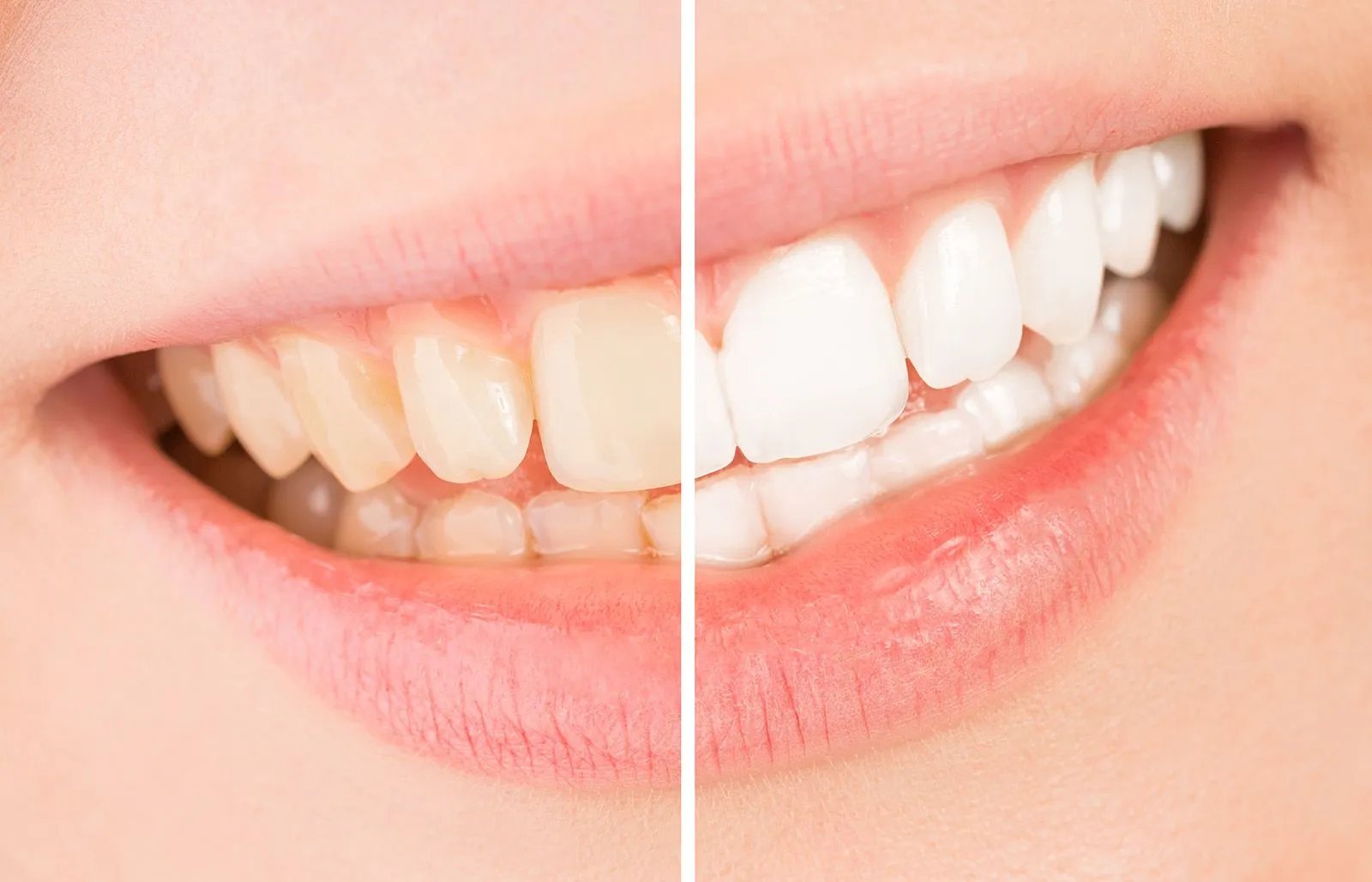
Coffee and Teeth Whitening Top 5 Facts!
Coffee and teeth whitening often find themselves at odds, but you don’t have to choose between your daily cup of joe and a dazzling smile. This article reveals the top 5 facts you need to know to navigate this relationship effectively. Understanding how coffee impacts your teeth and the strategies you can employ to mitigate its effects empowers you to make informed choices. Whether you’ve recently undergone a professional whitening treatment or simply want to maintain your pearly whites, these facts will help you enjoy coffee without sacrificing your smile’s brilliance. Discover the secrets to a brighter, healthier smile even while enjoying your favorite beverage.
The Impact of Coffee on Teeth
Coffee consumption can significantly impact the appearance of your teeth. The dark pigments in coffee, known as chromogens, easily adhere to the porous surface of tooth enamel, leading to staining. Over time, these stains accumulate, resulting in a yellow or brownish discoloration that can detract from your smile. The acidity of coffee can also contribute to enamel erosion, making teeth more susceptible to staining. Regular coffee drinkers often notice a gradual darkening of their teeth, highlighting the importance of understanding how coffee affects oral health and how to counteract its effects. Fortunately, several methods are available to minimize the impact of coffee on your teeth.
Coffee’s Staining Compounds

The staining properties of coffee are primarily due to chromogens, which are color-producing compounds. These compounds have a high affinity for binding to the enamel, the outermost layer of your teeth. When you consume coffee, chromogens attach to the tooth surface, causing it to darken. The longer the contact time and the more concentrated the coffee, the more intense the staining. Even seemingly innocuous additions like milk or cream may not completely eliminate the risk, as the chromogens still exist and can eventually stain. Understanding the specific compounds responsible helps in choosing appropriate preventative measures, such as rinsing your mouth after drinking coffee to reduce the contact time and intensity of staining.
How Coffee Affects Whitening Treatments
Coffee can significantly undermine the results of teeth whitening treatments. The newly whitened enamel is more porous and therefore more susceptible to staining from coffee. Drinking coffee soon after a whitening procedure can quickly negate the effects, leading to a return of the original discoloration. Dentists typically advise patients to avoid coffee for at least 24 to 48 hours after a whitening treatment and often recommend abstaining for longer periods to preserve the results. If you cannot completely avoid coffee, taking preventive steps like rinsing your mouth with water immediately after consumption and using a straw to minimize contact with your teeth can help protect your investment in a brighter smile.
Fact 1 The Staining Process
The staining process begins the moment coffee comes into contact with your teeth. Chromogens in coffee latch onto the enamel, gradually changing its color. The texture of the enamel also plays a role. Enamel with microscopic imperfections is more likely to absorb these staining compounds. The longer coffee remains in contact with your teeth, the more pronounced the staining becomes. The rate of staining can vary based on factors like the concentration of coffee, how frequently you drink it, and your oral hygiene habits. Regular brushing and flossing are crucial in minimizing the accumulation of stains and maintaining the whiteness of your teeth. Consider this: The more often and longer your teeth are exposed, the faster they will stain.
Fact 2 Types of Whitening Treatments

Various teeth whitening treatments are available, each with different levels of effectiveness and longevity. Professional treatments performed by a dentist, such as in-office bleaching, usually deliver the most dramatic results quickly. These treatments often use high-concentration hydrogen peroxide gels, which are applied to the teeth and activated by special lights. At-home whitening kits, including custom-fitted trays or strips, are also popular. These contain lower concentrations of peroxide and require more time to achieve similar results. Over-the-counter products like whitening toothpaste and mouthwashes offer milder effects and are often used for maintenance. The best option depends on your budget, the extent of staining, and how quickly you want to see results. Consult a dentist to determine the best approach for your needs.
Fact 3 Prevention is Key
Preventing coffee stains starts with diligent oral hygiene and mindful habits. Rinsing your mouth with water immediately after drinking coffee helps to remove staining compounds before they can fully adhere to your teeth. Using a straw can minimize direct contact between coffee and your teeth, especially for beverages that are consumed over a longer period. Limiting the frequency of coffee consumption is another key strategy. If you must drink coffee frequently, consider switching to a lighter roast or adding milk to dilute the concentration of staining agents. Regular brushing and flossing, as well as professional cleanings, are crucial to removing surface stains and maintaining overall oral health, helping to keep your teeth looking their best.
Fact 4 Effective Cleaning Methods
Effective cleaning methods play a crucial role in maintaining white teeth, especially for coffee drinkers. Brushing your teeth twice a day with a whitening toothpaste that contains mild abrasives can help remove surface stains. Flossing daily is equally important to remove plaque and food particles from between your teeth, areas that are often missed by brushing alone. Using an electric toothbrush can enhance the effectiveness of your brushing routine. Consider the use of a water flosser as an alternative or supplement to traditional flossing, especially if you have difficulty reaching certain areas. Regular professional dental cleanings are essential, as dentists can remove built-up stains and plaque that are difficult to address at home.
Fact 5 Professional Advice

Seeking professional dental advice is paramount in your journey toward a brighter smile. Dentists can assess the extent of coffee staining and recommend the most appropriate whitening treatments. They can also provide personalized oral hygiene advice tailored to your specific needs and habits. Regular check-ups enable the dentist to detect and address any oral health issues early on, preventing further staining or damage. Your dentist can offer professional teeth whitening services that are more effective than over-the-counter products and are safe when administered correctly. Always consult your dentist before starting any whitening treatment or changing your oral hygiene routine.
Maintaining a Bright Smile After Coffee
Maintaining a bright smile after enjoying coffee requires a proactive approach and consistent habits. This includes strategic dietary choices, a diligent oral hygiene routine, and regular dental check-ups. By incorporating these practices into your daily life, you can effectively combat the staining effects of coffee and enjoy a vibrant, healthy smile. Combining these strategies with professional dental care ensures the long-term preservation of your teeth’s whiteness, allowing you to confidently sip your coffee without worry. Taking these steps will significantly reduce staining and help maintain the results of your whitening efforts, letting you keep a beautiful smile for the long term.
Dietary Adjustments
Making mindful dietary adjustments can significantly contribute to maintaining a bright smile. Besides coffee, certain foods and beverages are known to stain teeth. Limiting the consumption of dark-colored items like red wine, berries, and soy sauce is beneficial. If you consume these items, rinse your mouth with water afterward to minimize staining. Including foods that naturally help clean teeth, such as crunchy fruits and vegetables like apples and carrots, can also be advantageous. Staying hydrated by drinking plenty of water helps to stimulate saliva production, which is crucial for washing away food particles and preventing staining. Consider your diet and how it can impact your smile to give you the best results.
Oral Hygiene Routine

A consistent and effective oral hygiene routine is essential for preserving the whiteness of your teeth. Brush your teeth at least twice a day with a whitening toothpaste. Use a soft-bristled toothbrush to avoid damaging the enamel. Floss daily to remove plaque and food particles from between your teeth, where staining can occur. Consider using an electric toothbrush, which can be more effective at removing plaque. After drinking coffee, rinse your mouth with water to help remove staining compounds. Using a mouthwash can provide an extra layer of protection. Regular oral hygiene can improve your chances to maintain your bright smile.
Regular Dental Checkups
Regular dental check-ups are non-negotiable when it comes to maintaining a bright and healthy smile. Professional cleanings by a dentist or hygienist can remove surface stains and plaque that regular brushing and flossing may miss. During these visits, your dentist can also assess the overall health of your teeth and gums, identifying any potential problems early on. They can offer personalized advice on oral hygiene techniques and recommend suitable products for your specific needs. If you have had a whitening treatment, your dentist can provide maintenance tips to help preserve the results. Aim for check-ups at least twice a year to keep your smile bright and healthy.