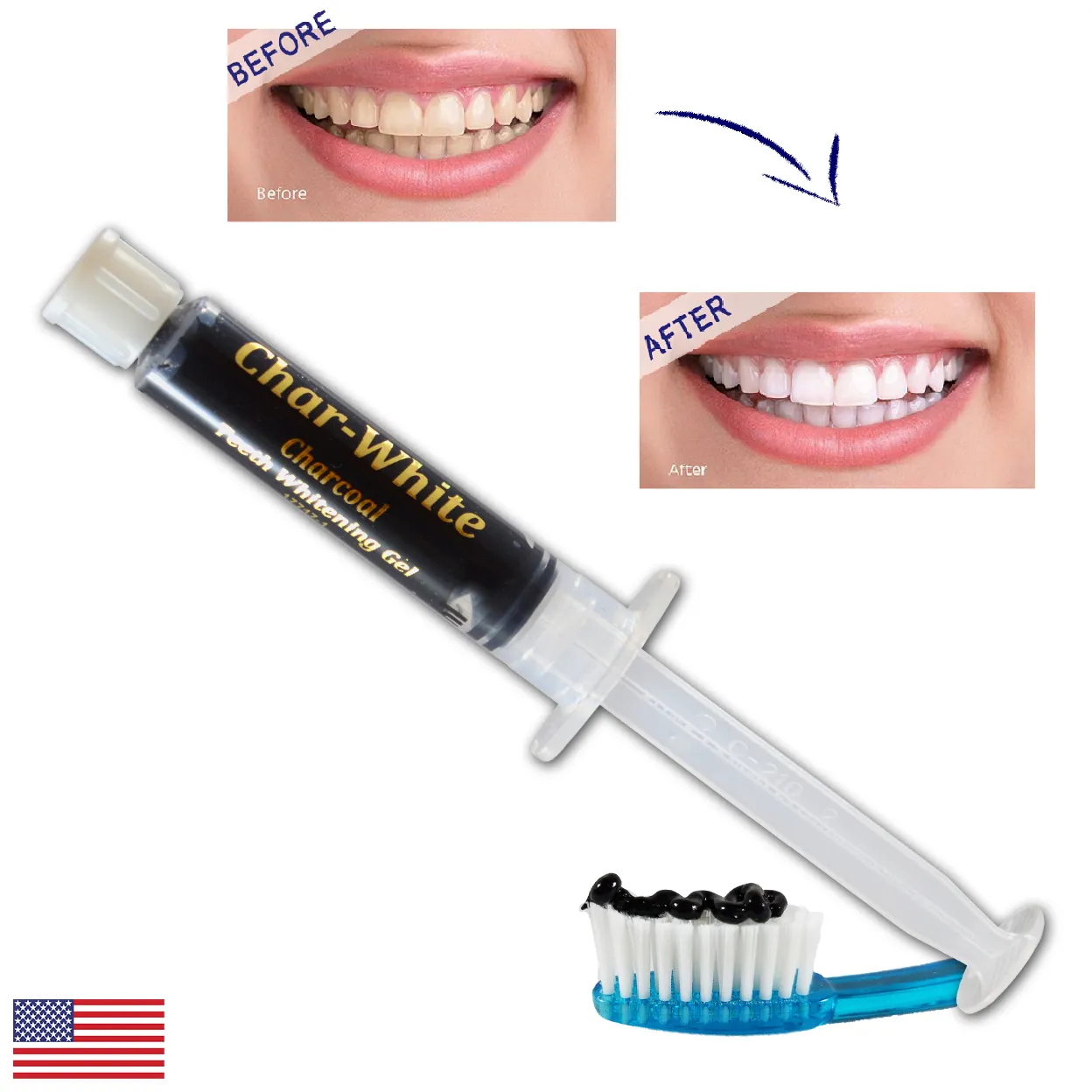
What is Charcoal Teeth Whitening
Charcoal teeth whitening has gained popularity as a natural method for brightening smiles. It involves using activated charcoal, typically in powder or toothpaste form, to remove stains and discoloration from teeth. The premise behind charcoal whitening is its absorptive nature. Activated charcoal is a fine black powder that has been treated to increase its porosity. This means it can attract and bind to various substances, including those that cause teeth staining. People are drawn to this method because of its perceived natural origins and the potential to avoid harsh chemical treatments. The allure of a brighter smile without the use of conventional bleaching agents has fueled its widespread adoption. However, it’s essential to understand the science behind how it works and the safety considerations before incorporating charcoal into your oral hygiene routine.
How Charcoal Whitening Works
The mechanism behind charcoal teeth whitening is relatively straightforward. Activated charcoal’s porous surface allows it to bind to stains and plaque on the surface of the teeth. These stains can result from consuming coffee, tea, wine, and other foods and beverages that contain chromogens, which are compounds that can adhere to tooth enamel. When charcoal is used in brushing, it gently scrubs the teeth, removing these surface stains and giving the impression of whiter teeth. The whitening effect is primarily superficial, meaning it targets surface stains rather than altering the intrinsic color of the tooth enamel. Unlike bleaching agents that penetrate the enamel to change the tooth’s internal shade, charcoal works through physical abrasion. This is a crucial distinction, as it impacts both its effectiveness and safety profile. The ability to remove these stains contributes to the perception of a brighter smile, making it a popular choice for those looking for a quick fix or a natural alternative to professional whitening treatments.
Charcoal’s Abrasive Properties

One of the primary concerns associated with charcoal teeth whitening is its abrasive nature. Activated charcoal, by its very structure, has a slightly abrasive texture. While this abrasiveness is what helps it remove surface stains, it also poses a risk to the tooth enamel. Over time, the repeated abrasion from charcoal can wear down the enamel, the protective outer layer of the tooth. Enamel is the hardest substance in the human body, but it is still susceptible to erosion. As enamel erodes, the underlying dentin, which is naturally yellower, becomes more visible, potentially leading to increased tooth sensitivity and a less white appearance in the long run. The degree of abrasiveness can vary depending on the specific charcoal product and the brushing technique used. It’s essential to understand that aggressive brushing with charcoal, or using charcoal products with larger particle sizes, can exacerbate this issue and accelerate enamel wear. Therefore, careful consideration of product selection and brushing technique is paramount to minimizing potential harm and maximizing the benefits of using charcoal for teeth whitening.
Potential Risks of Charcoal Whitening
While charcoal teeth whitening can offer some benefits, it’s essential to be aware of the potential risks. The abrasive nature of charcoal is the primary concern, as it can lead to enamel erosion over time. This can result in increased tooth sensitivity, as the protective enamel layer thins, and the underlying dentin becomes exposed. The erosion of enamel can also make teeth more susceptible to cavities, as the enamel’s protective barrier is compromised. Furthermore, the use of charcoal might not be effective for all types of tooth discoloration. It primarily targets surface stains and may not be able to address intrinsic stains, which are deeper within the tooth structure. In such cases, charcoal whitening might not yield noticeable results and could be a waste of time. Another risk is the potential for gum irritation. Some individuals may experience sensitivity or even damage to their gums, particularly if they brush too aggressively or use a charcoal product with harsh ingredients. Consulting with a dental professional before starting any new teeth whitening regimen is highly recommended to assess individual oral health and determine if charcoal whitening is a safe option.
Enamel Erosion
Enamel erosion is a significant risk associated with the abrasive properties of charcoal. The constant scrubbing action can gradually wear away the enamel, the protective outer layer of the teeth. Enamel is the hardest substance in the human body, but it is still vulnerable to abrasion over time. As the enamel thins, the underlying dentin, which is naturally yellower, becomes more visible, leading to increased tooth sensitivity and potential discoloration. Furthermore, eroded enamel can make teeth more susceptible to cavities, as the protective barrier is compromised. The long-term effects of enamel erosion can include a less attractive smile and increased dental expenses. It’s crucial to minimize the risk of enamel erosion by using charcoal products cautiously, brushing gently, and consulting a dentist regularly.
Gum Sensitivity

Gum sensitivity is another potential side effect of using charcoal for teeth whitening. The abrasive nature of charcoal, coupled with aggressive brushing techniques, can irritate the gums, leading to sensitivity and even damage. This is particularly likely if the gums are already sensitive or if the charcoal product contains harsh ingredients. Symptoms of gum sensitivity can include soreness, bleeding, and inflammation. In severe cases, chronic irritation can contribute to gum recession, exposing the roots of the teeth and increasing the risk of tooth decay and other oral health problems. To mitigate the risk of gum sensitivity, it’s essential to use a soft-bristled toothbrush, brush gently, and avoid harsh charcoal products. If you experience gum irritation, it’s advisable to discontinue the use of charcoal and consult a dentist.
Teeth Staining
Paradoxically, charcoal teeth whitening can sometimes lead to teeth staining. This might seem counterintuitive, but it can occur if the charcoal product contains ingredients that stain teeth, or if the charcoal itself gets trapped in microscopic cracks or crevices in the enamel. Additionally, if the enamel is already weakened or eroded due to the abrasive nature of charcoal, it becomes more susceptible to staining from other substances, such as coffee, tea, or wine. The fine particles of charcoal can sometimes be difficult to remove completely, and residual charcoal can contribute to a gray or black appearance on the teeth. To avoid this, it’s crucial to choose high-quality charcoal products, rinse thoroughly after brushing, and maintain good oral hygiene practices. If staining persists, it’s advisable to seek professional advice from a dentist.
How to Use Charcoal for Teeth Whitening Safely
If you choose to use charcoal for teeth whitening, it’s essential to do so safely. Firstly, select a reputable charcoal product, preferably one that is specifically designed for oral use and free from harsh additives. Opt for a product with a fine texture to minimize abrasiveness. Secondly, use a soft-bristled toothbrush and brush gently in a circular motion, applying minimal pressure. Avoid scrubbing vigorously, as this can accelerate enamel erosion and gum irritation. Thirdly, limit the frequency of use to once or twice a week to minimize the risk of adverse effects. Overuse can significantly increase the risk of enamel damage. Fourthly, rinse your mouth thoroughly with water after brushing to remove any residual charcoal particles. Lastly, consult your dentist regularly to monitor your oral health and check for any signs of enamel erosion or other issues. Regular dental check-ups can help detect potential problems early and allow for preventive measures.
Choosing the Right Charcoal Product

Selecting the right charcoal product is crucial for safe and effective teeth whitening. Look for activated charcoal specifically formulated for oral use, as it will likely have been processed and tested to ensure it is free from harmful contaminants. Avoid products with added chemicals, artificial flavors, or excessive abrasives. The texture of the charcoal is also important; a finely ground powder is preferable to coarse particles, as it will be less abrasive on the enamel. Consider products that are combined with other beneficial ingredients, such as fluoride, to strengthen the teeth. Read reviews and research the brand to ensure it’s reputable and has a good track record. If you are unsure, consult with your dentist, who can recommend suitable charcoal products based on your individual oral health needs. Make sure to check the product’s label for any potential allergens or ingredients to which you may be sensitive.
Proper Brushing Technique
Proper brushing technique is essential to minimize the risks associated with charcoal teeth whitening. Use a soft-bristled toothbrush, which is gentler on the enamel and gums. Apply a minimal amount of pressure to avoid causing abrasion. Brush in gentle, circular motions, rather than scrubbing back and forth aggressively. The goal is to remove surface stains without wearing down the enamel. Brush for the recommended two minutes, ensuring that all surfaces of the teeth are thoroughly cleaned. Pay attention to the gum line, but avoid brushing too hard, as this can irritate the gums. After brushing, rinse your mouth thoroughly with water to remove any remaining charcoal particles. Always prioritize gentle techniques over aggressive brushing, as this will help protect your teeth and gums from potential damage. If you find yourself brushing too hard, try using a timer or listening to music to help regulate your brushing time and pressure.
Frequency and Duration
The frequency and duration of charcoal teeth whitening should be carefully managed to minimize potential risks. It is generally recommended to use charcoal products no more than once or twice a week. Overuse can significantly increase the likelihood of enamel erosion and gum irritation. When brushing, adhere to the standard two-minute brushing time, ensuring that you cover all surfaces of your teeth. Avoid prolonged brushing sessions, as this can increase the abrasive effect on your enamel. Listen to your teeth and gums; if you experience any sensitivity, discontinue the use of charcoal and consult your dentist. The key is to strike a balance between achieving the desired whitening effect and protecting your oral health. If you notice a significant improvement in tooth whiteness after a few uses, it may be appropriate to reduce the frequency to maintenance brushing, such as once a month, or even less.
Aftercare and Maintenance

Aftercare and maintenance are essential components of safe charcoal teeth whitening. After brushing with charcoal, rinse your mouth thoroughly with water to remove any residual particles. Consider using a fluoride-containing toothpaste after charcoal brushing to help remineralize and strengthen the enamel. Avoid consuming foods and drinks that can stain your teeth, such as coffee, tea, and red wine, immediately after brushing. Practice good oral hygiene habits, including brushing twice a day with a regular toothpaste, flossing daily, and visiting your dentist for regular check-ups and cleanings. These practices will help maintain the results of charcoal whitening while minimizing the risk of adverse effects. If you experience any sensitivity or other issues, discontinue the use of charcoal and consult your dentist immediately. They can assess your oral health and recommend appropriate treatments or adjustments to your oral hygiene routine.
Alternatives to Charcoal Whitening
If you are concerned about the potential risks of charcoal teeth whitening, several effective alternatives are available. Over-the-counter whitening products, such as whitening strips and toothpastes containing hydrogen peroxide or other bleaching agents, can be effective in removing stains and brightening teeth. These products generally have lower concentrations of whitening agents than professional treatments, making them a safer option for home use. Another option is to consult your dentist about professional teeth whitening. In-office whitening treatments use stronger bleaching agents and can provide more dramatic results under the supervision of a dental professional. Your dentist can also assess your oral health and recommend the best whitening method for your individual needs. Other alternatives include using dental veneers or bonding, which are cosmetic procedures that can significantly improve the appearance of your teeth. Before choosing any whitening method, consult with your dentist to determine the most appropriate and safe approach for achieving your desired results.