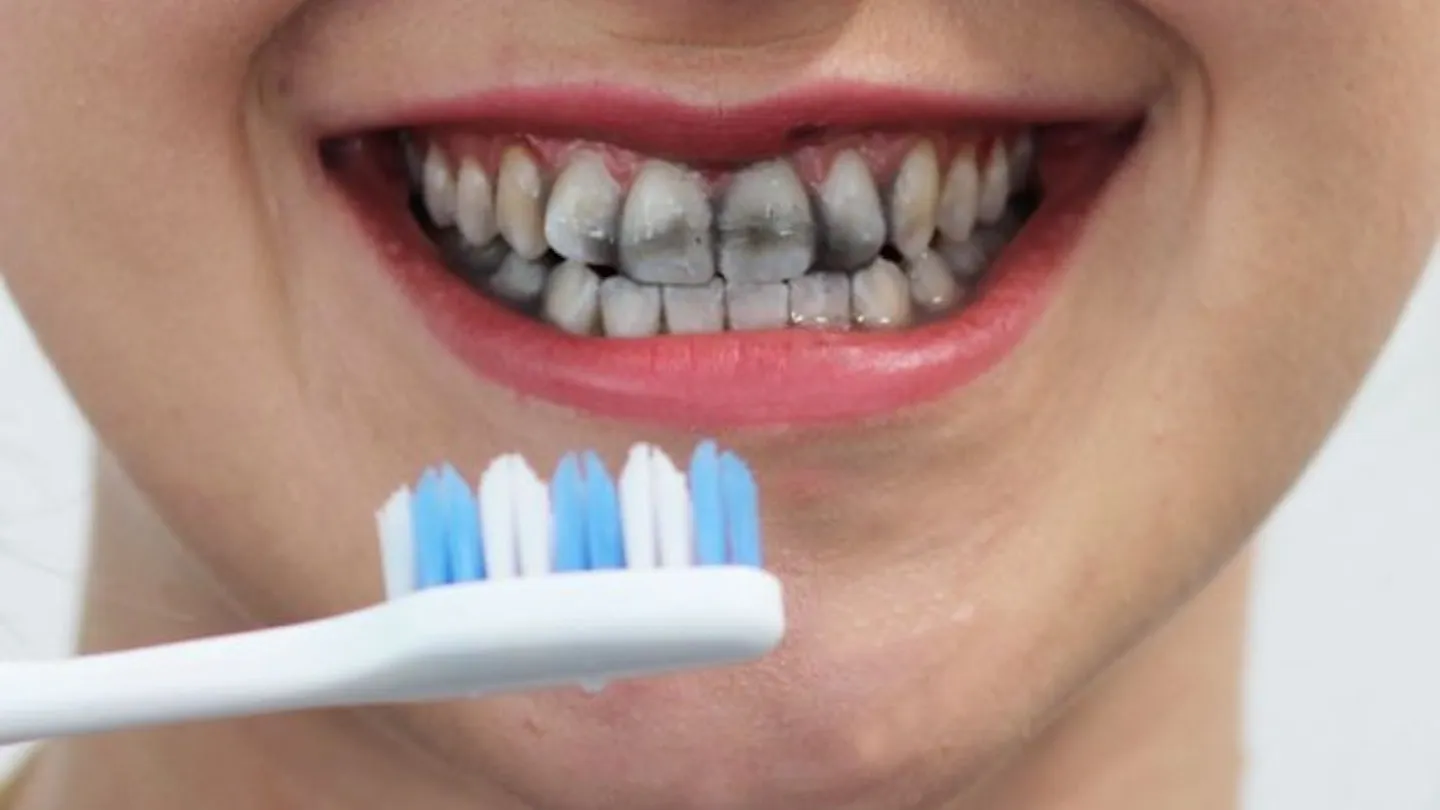
What is Charcoal Teeth Whitening?
Charcoal teeth whitening has surged in popularity as a natural method for achieving a brighter smile. Activated charcoal, the key ingredient, is a fine black powder made from various sources like coconut shells, wood, or peat. It is “activated” by processing it at high temperatures, which alters its internal structure and increases its porosity. This increased porosity is what makes activated charcoal effective in absorbing substances, a quality that’s harnessed for teeth whitening. Unlike traditional whitening methods that use chemicals like hydrogen peroxide, charcoal whitening often appeals to those seeking a more natural approach. However, it’s essential to understand the science behind this method and whether it lives up to the hype. Before incorporating charcoal into your oral hygiene routine, understanding what charcoal teeth whitening is and what it entails is vital. Many people are drawn to this method due to its natural appeal, but it’s crucial to evaluate its efficacy and potential drawbacks thoroughly.
How Does Charcoal Whiten Teeth?
The primary mechanism behind charcoal teeth whitening is its abrasive nature and its adsorption properties. Activated charcoal is not a bleaching agent; instead, it works by physically removing surface stains from your teeth. When you brush with charcoal, the slightly abrasive particles help scrub away stains caused by coffee, tea, wine, and other foods. Furthermore, activated charcoal’s porous structure allows it to adsorb (not absorb) stain-causing compounds and other impurities from your teeth. This adsorption process works because charcoal has a negative electrical charge, which attracts and binds to positively charged particles like those found in stains. As you rinse, the charcoal particles, along with the adsorbed stains, are washed away. While this process can make your teeth appear whiter by removing surface stains, it does not alter the intrinsic color of your teeth. It’s a superficial cleaning action and does not change the color of the enamel itself.
The Science Behind Charcoal’s Whitening Power

The scientific basis for charcoal teeth whitening is rooted in the physical properties of activated charcoal. Its effectiveness stems from its high surface area and adsorption capabilities. Studies have shown that activated charcoal can bind to tannins and other compounds that cause stains. However, it’s important to note that the scientific evidence supporting the effectiveness of charcoal teeth whitening is limited compared to that of methods using peroxide. Most research is based on anecdotal evidence and small-scale studies. The abrasive nature of charcoal is another factor. While it can effectively remove surface stains, it can also wear down tooth enamel if used improperly or too frequently. The porosity of activated charcoal allows it to attract and hold onto various substances, which is beneficial for stain removal. However, this property also means that charcoal can absorb beneficial substances from your mouth if not used carefully. Therefore, the science supports the stain-removing ability of charcoal but also highlights the need for caution to avoid potential harm to your teeth and gums. Before starting this procedure, consult with your dentist.
Does Charcoal Teeth Whitening Actually Work?
Whether charcoal teeth whitening works is a subject of debate. It can be effective in removing surface stains, leading to a brighter appearance. Many users report positive results, particularly those who have stains from coffee, tea, or tobacco. However, it is not as effective as professional whitening treatments that use bleaching agents to alter the intrinsic color of your teeth. The results vary depending on the type and severity of stains, the frequency of use, and individual factors like enamel thickness. Charcoal’s abrasive nature can contribute to the perceived whitening effect by physically removing stains. But, this abrasive action is also a point of concern, as excessive use can damage enamel. Scientific evidence is mixed, with some studies showing slight improvements and others showing no significant difference compared to regular brushing with toothpaste. Therefore, while charcoal can provide some whitening, it may not deliver the dramatic results of other methods.
Charcoal Whitening Efficacy
The efficacy of charcoal whitening hinges on several factors, including the type of stains, the frequency of use, and the individual’s oral health. Surface stains respond better to charcoal treatment than intrinsic stains. For example, stains from coffee and tea are more easily removed compared to stains caused by medications or aging. The abrasive nature of charcoal helps in dislodging these surface stains, leading to a brighter smile. Consistent use is crucial to see noticeable results. Regular brushing with charcoal over several weeks or months is often needed to observe any significant whitening effect. However, the efficacy varies depending on individual oral health conditions. People with enamel erosion or sensitive teeth may experience adverse effects, such as increased sensitivity and enamel damage. Therefore, while charcoal whitening can be effective for some, it’s essential to manage expectations and understand its limitations. It is not a one-size-fits-all solution, and the results can vary widely.
Factors Affecting Results

Several factors influence the effectiveness of charcoal teeth whitening. The type and severity of stains are critical determinants. Surface stains are more responsive to charcoal than deep-set, intrinsic stains. The frequency of use impacts the degree of whitening. Consistent use over several weeks or months often yields better results. Individual enamel health is another significant factor. People with healthy, strong enamel may experience better outcomes compared to those with eroded enamel or existing sensitivity. Dietary habits influence the results. Reducing the intake of staining foods and beverages, such as coffee, tea, and red wine, helps maintain the whitening effect. Oral hygiene practices complement the whitening process. Brushing, flossing, and regular dental check-ups contribute to overall oral health and enhance the efficacy of charcoal whitening. The quality of the charcoal product is crucial. Using a reputable brand of activated charcoal ensures purity and effectiveness. Finally, consistency in application, coupled with good oral hygiene, increases the chances of achieving a brighter smile.
How to Use Charcoal for Teeth Whitening
Using charcoal for teeth whitening involves a straightforward process, but it is essential to follow the correct steps to ensure effectiveness and safety. The most common method involves brushing your teeth with activated charcoal powder. First, wet your toothbrush and dip it into the charcoal powder. Apply a small amount, as a little goes a long way. Then, brush your teeth gently for about two minutes, ensuring you reach all surfaces. After brushing, rinse your mouth thoroughly with water to remove any remaining charcoal particles. It is also advisable to rinse your toothbrush to remove any charcoal residue. The duration and frequency of use vary, but it is generally recommended to start with once or twice a week and gradually increase as needed. Ensure you’re gentle while brushing. The abrasive nature of charcoal can damage the enamel if brushed too hard. For those who prefer an alternative, some charcoal toothpaste products are available. They offer a similar whitening effect but are less messy. Consider your individual needs and oral health conditions when choosing a method. People with sensitive teeth or enamel erosion should exercise extra caution and potentially consult their dentist before starting this procedure.
Step-by-Step Guide to Charcoal Whitening
Follow this simple guide to use charcoal for teeth whitening: Begin by wetting your toothbrush with water. Dip the bristles into a container of activated charcoal powder. A small amount is sufficient. Brush your teeth gently for 2 minutes, paying attention to all surfaces. Avoid applying too much pressure, as charcoal is abrasive. Rinse your mouth thoroughly with water, ensuring all charcoal particles are removed. Rinse your toothbrush to eliminate any residue. Use charcoal whitening once or twice a week initially, and adjust the frequency depending on your teeth’s sensitivity and whitening results. Monitor your teeth for any signs of increased sensitivity or enamel wear. If you experience discomfort, reduce the frequency of use or consult a dentist. Be patient, as it may take several weeks to notice a difference. Maintain a regular oral hygiene routine, including brushing with fluoride toothpaste, flossing, and regular dental check-ups. Remember that results can vary, and it’s essential to be consistent and cautious.
Frequency and Duration

The frequency and duration of using charcoal for teeth whitening play a critical role in achieving optimal results and minimizing potential risks. Begin with a frequency of once or twice a week to assess your teeth’s response and tolerance. This allows you to monitor for any adverse effects, such as increased sensitivity or enamel damage. After a few weeks, you can gradually increase the frequency if you see positive results without any negative side effects. However, avoid using charcoal more than three times a week. Overuse can increase the risk of enamel erosion. Regarding duration, it typically takes several weeks or months to see noticeable whitening effects. Be patient and consistent with your charcoal whitening routine. The duration of use can vary depending on individual factors, such as the type and severity of stains and oral hygiene habits. Continue using charcoal for as long as you see positive results and experience no adverse effects. Regular dental check-ups are essential to monitor your oral health and assess the effectiveness of charcoal whitening. If you experience any discomfort, discontinue use and consult your dentist. Prioritize the health of your enamel over the speed of the whitening process.
Potential Risks and Side Effects
While charcoal teeth whitening is a popular home remedy, it is essential to be aware of the potential risks and side effects. The primary concern is the abrasive nature of activated charcoal. Excessive or improper brushing can wear down tooth enamel over time, leading to increased sensitivity, cavities, and a higher risk of dental problems. The abrasive particles can also irritate the gums, causing inflammation or even receding gums. Another risk is the potential for staining. If the charcoal is not properly rinsed, it can leave a black residue on the teeth, temporarily making them appear darker. Some charcoal products may contain additives that can cause allergic reactions or other adverse effects. Moreover, activated charcoal does not contain fluoride, a critical mineral for strengthening tooth enamel and preventing decay. Using charcoal exclusively can deprive your teeth of this essential protection. It is crucial to use charcoal whitening in moderation and to be mindful of any changes in your oral health. If you notice any issues, it’s important to stop using charcoal and seek advice from your dentist.
Enamel Damage and Sensitivity
Enamel damage and increased tooth sensitivity are significant concerns associated with charcoal teeth whitening. The abrasive nature of activated charcoal can wear down the enamel over time, making teeth more susceptible to damage. Enamel erosion can lead to increased sensitivity to hot and cold foods and drinks. Furthermore, as the enamel thins, the underlying dentin becomes more exposed, which can lead to tooth decay and other dental problems. Sensitivity can also result from gum recession, where the charcoal can irritate the gums, causing them to recede, exposing the more sensitive roots of the teeth. It is essential to monitor your teeth for signs of enamel damage or increased sensitivity, such as pain, discomfort, or changes in the appearance of your teeth. If you experience any of these issues, discontinue using charcoal immediately. Consult your dentist for advice on how to repair or protect your teeth. They may recommend using toothpaste with fluoride to remineralize the enamel and reduce sensitivity.
Alternative Teeth Whitening Methods

If you’re looking for effective teeth whitening methods, several alternatives to charcoal offer reliable results. Professional teeth whitening, performed by a dentist, is one of the most effective options. It involves applying a high-concentration bleaching agent to the teeth, typically hydrogen peroxide, which breaks down stains and whitens the enamel. The process is safe and supervised by a professional, ensuring optimal results and minimizing risks. Another alternative is at-home whitening kits. These kits usually contain custom-fitted trays and a bleaching gel, also often containing hydrogen peroxide. At-home kits are more convenient and affordable than professional treatments, but they may require more time to achieve the desired results. Whitening toothpastes and mouthwashes containing mild abrasives and whitening agents like hydrogen peroxide can help remove surface stains and brighten your smile. However, they are not as effective as professional or at-home bleaching treatments. Finally, maintaining good oral hygiene practices, such as regular brushing, flossing, and professional cleanings, is essential for keeping your teeth healthy and bright. Combining these methods can help you achieve and maintain a brighter smile.
Professional Whitening Options
Professional teeth whitening is a highly effective and safe method performed by a dentist. The process typically involves applying a high-concentration bleaching agent, usually hydrogen peroxide, directly to the teeth. Dentists often use a special light or laser to accelerate the whitening process, enhancing the effectiveness of the treatment. Before the whitening procedure, a thorough examination of the teeth and gums is performed to ensure that the patient is a suitable candidate. The dentist will then protect the gums and soft tissues with a protective barrier to prevent irritation. The bleaching agent is applied to the teeth and left on for a specific duration. This process can be repeated several times during a single visit, depending on the desired level of whitening. Professional whitening offers several advantages, including faster results and a higher concentration of the whitening agent. Dentists can monitor the process and address any potential sensitivity issues. Professional whitening is ideal for those seeking dramatic results or who have significant staining. It is a more expensive option than at-home treatments, but the results are often more significant and longer-lasting. Consult your dentist to discuss the best professional whitening options for your needs.
At-Home Whitening Kits
At-home teeth whitening kits offer a convenient and cost-effective alternative to professional treatments. These kits typically include custom-fitted trays and a bleaching gel, often containing carbamide peroxide or hydrogen peroxide, the active whitening agent. Before using an at-home kit, it is essential to consult with your dentist. They can assess your teeth and gums to ensure that you are a suitable candidate. The dentist can also create custom trays that fit your teeth precisely, preventing the bleaching agent from irritating your gums. Using an at-home kit involves filling the trays with the bleaching gel and wearing them for a specified amount of time, usually 30 minutes to several hours a day. The duration and frequency of use vary depending on the concentration of the bleaching agent and the instructions provided with the kit. Results from at-home kits can be seen within a few days to a few weeks. However, they may not be as dramatic as professional treatments. It is essential to follow the instructions carefully and to monitor for any signs of increased sensitivity or irritation. At-home kits offer a more affordable and flexible option for teeth whitening, allowing you to whiten your teeth at your convenience. Always consult with your dentist for guidance and recommendations.
Maintaining Your Bright Smile

Maintaining a bright smile requires consistent effort and a commitment to good oral hygiene. Regular brushing, flossing, and dental check-ups are essential for keeping your teeth healthy and preventing stains. Brushing twice a day with a fluoride toothpaste helps remove plaque and surface stains. Flossing once a day removes food particles and bacteria from between your teeth and along your gumline. Regular dental check-ups and cleanings can remove plaque and tartar buildup and help identify and address any dental problems early. Additionally, limit your intake of staining foods and beverages, such as coffee, tea, red wine, and dark-colored berries. If you consume these items, rinse your mouth with water afterward to minimize staining. Avoid smoking and tobacco products, as they can cause significant discoloration. Consider using a whitening toothpaste or mouthwash to help maintain your teeth’s brightness. You can also schedule occasional touch-up treatments with your dentist to keep your smile looking its best. By following these practices, you can enjoy a brighter, healthier smile for years to come. Consistent care and attention are key to preserving your pearly whites.