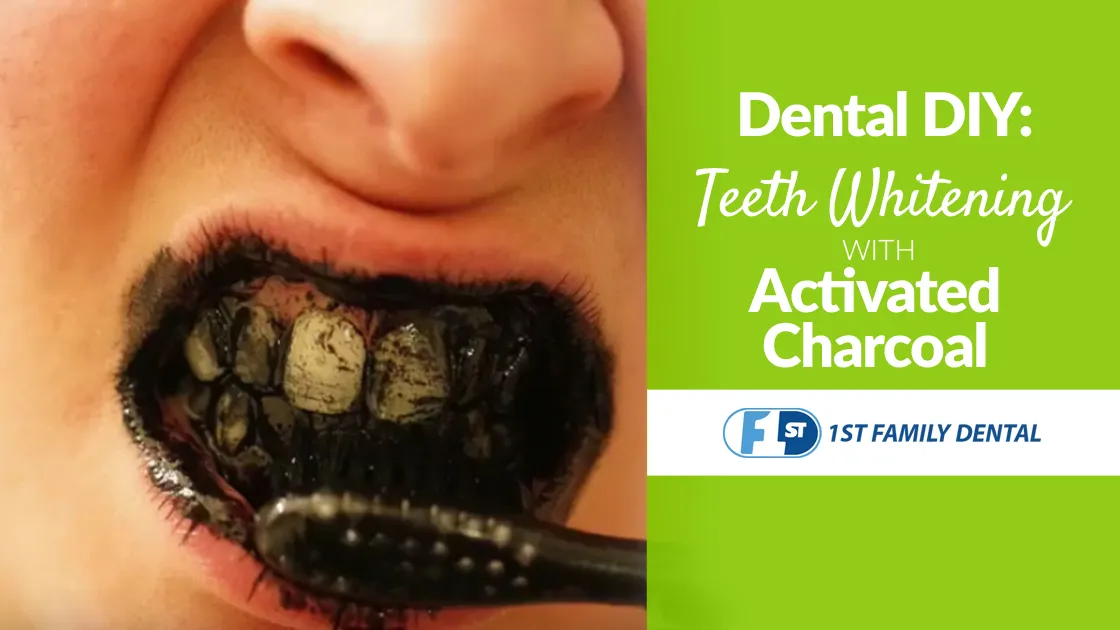
The Allure of Charcoal Teeth Whitening
In the quest for a brighter, more confident smile, the use of charcoal for teeth whitening has surged in popularity. This natural remedy promises to transform dull smiles into pearly whites, drawing many to explore its potential. Unlike conventional whitening methods that may involve harsh chemicals, charcoal offers a gentler approach, making it an appealing alternative for those seeking a natural solution. This article dives into the top five amazing benefits of using charcoal for teeth whitening, exploring the science behind its effectiveness, its impact on oral health, and important safety considerations. Discover how this ancient remedy is making waves in the world of dental care, and whether it’s the right choice for your smile.
Benefit 1 Enhanced Teeth Whitening
The primary reason people turn to charcoal is its ability to whiten teeth. Charcoal works as a gentle abrasive, helping to remove surface stains caused by substances like coffee, tea, wine, and tobacco. The porous nature of charcoal allows it to effectively lift away these stains, revealing a brighter smile. Many users report visible improvements in the color of their teeth after consistent use of charcoal-based products. It’s a simple and natural way to enhance your smile’s appearance, offering an affordable alternative to professional whitening treatments. Remember that the effectiveness can vary depending on the type of stains and the frequency of use. Proper application and consistent use are key to achieving noticeable results.
The Science Behind Charcoal’s Whitening Ability

Activated charcoal, the type commonly used for teeth whitening, is a fine black powder made from various sources, such as coconut shells or wood. The activation process involves heating the carbon source to create a highly porous material. These pores are responsible for charcoal’s ability to trap and remove impurities. This characteristic makes charcoal an effective stain remover. Charcoal’s natural properties offer a gentle and effective way to remove surface stains without harsh chemicals. The process primarily involves the absorption of stain-causing particles, leading to a brighter smile. The porous nature of activated charcoal is key to its effectiveness in teeth whitening, making it a sought-after ingredient in many oral care products.
How Charcoal Absorbs Stains
Charcoal’s ability to absorb stains is due to its unique structure. Activated charcoal has a high surface area with numerous tiny pores that act like a sponge. These pores attract and trap stain molecules that adhere to the surface of your teeth. When you brush with charcoal, these molecules are lifted away. This is a physical process, not a chemical one, which makes charcoal a natural stain remover. By gently removing the accumulated stains, charcoal helps restore the natural whiteness of your teeth, making your smile appear brighter and healthier. This process is safe and effective for removing surface stains, but it does not change the natural color of your teeth.
Benefit 2 Natural Stain Removal
Beyond whitening, charcoal effectively removes various types of stains. Unlike chemical whitening treatments, charcoal’s natural approach is appealing to those preferring holistic dental care. It removes surface stains from common culprits like coffee, tea, wine, and smoking. The abrasive nature of charcoal helps scrub away these stains, revealing a cleaner, brighter surface. By removing stains, charcoal helps restore the natural whiteness of teeth. For those seeking a natural way to improve the appearance of their teeth, charcoal is a great solution. Always use it correctly and be patient, as results may vary.
Common Causes of Tooth Discoloration

Understanding what causes tooth discoloration can help you appreciate the benefits of charcoal. Several factors contribute to stains, including the consumption of staining foods and drinks such as coffee, tea, red wine, and dark berries. Tobacco use is another major cause, leading to significant discoloration over time. Poor oral hygiene allows stains to accumulate, making teeth appear duller and less attractive. Age-related changes can also affect tooth color, as enamel thins and the underlying dentin becomes more visible. Genetics also play a role. Being aware of these factors can help you take preventive measures and better understand how charcoal can help address these issues.
Charcoal’s Effectiveness on Different Stains
Charcoal’s effectiveness varies depending on the type and severity of stains. It’s most effective on surface stains caused by food, drinks, and tobacco. It can effectively remove stains from coffee, tea, and wine. It’s less effective on intrinsic stains, which are deep within the tooth structure, often caused by medication or trauma. For best results, use charcoal consistently as part of your oral hygiene routine. Always combine charcoal with good brushing techniques and regular dental check-ups for comprehensive oral care. Those with severe or intrinsic stains may need professional dental treatments for optimal results, but charcoal can still help maintain a brighter smile.
Benefit 3 Improved Oral Health
Charcoal’s benefits extend beyond teeth whitening; it can also improve oral health. By removing bacteria and promoting a balanced oral environment, charcoal contributes to healthier gums and teeth. Its abrasive nature helps clean the mouth and removes debris that contributes to plaque and tartar buildup. Charcoal is a natural alternative that supports overall oral hygiene. Regular use, combined with proper brushing and flossing, can lead to a healthier mouth and fresher breath. While charcoal is a great addition to your routine, it’s essential to maintain regular dental check-ups for comprehensive care.
Charcoal’s Role in Removing Bacteria

Activated charcoal helps remove bacteria from the mouth, supporting better oral health. Charcoal’s porous structure traps bacteria, reducing their numbers and the potential for harmful effects like cavities and gum disease. By removing bacteria, charcoal creates a healthier environment in your mouth. Consistent use of charcoal products can contribute to reducing the risk of dental problems. It’s crucial to remember that charcoal is not a substitute for professional dental care. Always maintain regular dental check-ups for optimal oral health. Used correctly, charcoal is a valuable addition to your oral hygiene routine, helping to keep your mouth clean and healthy.
Charcoal and Gum Health
The use of charcoal can have positive effects on gum health. Its antibacterial properties help reduce inflammation and prevent the buildup of plaque along the gum line. This can help reduce the risk of gingivitis and periodontitis. Regular use of charcoal can contribute to healthier gums, which are essential for overall oral health. Good gum health supports the longevity of your teeth, reducing the risk of tooth loss. Always use charcoal products gently, and avoid excessive brushing, which can irritate gums. The combination of charcoal with proper brushing and flossing ensures comprehensive oral care, contributing to a healthy and vibrant smile.
Benefit 4 Affordable Teeth Whitening
Compared to professional teeth whitening treatments, charcoal is an affordable option. Charcoal products are generally less expensive, making them accessible to more people. While professional treatments offer more dramatic and immediate results, they can be costly. Charcoal provides a budget-friendly way to improve the appearance of your teeth. Charcoal is a great option for those looking for a more natural, cost-effective alternative. Choosing charcoal allows you to maintain a brighter smile without the high expenses associated with professional treatments. Always follow product instructions and maintain good oral hygiene practices for the best outcomes.
Comparing Costs Charcoal vs. Professional Treatments

Comparing the costs highlights charcoal’s affordability. Professional whitening treatments, such as in-office bleaching or take-home kits from your dentist, can range from a few hundred to several hundred dollars. Charcoal products, like toothpaste or powders, usually cost only a few dollars. The difference in cost makes charcoal a great option for budget-conscious individuals. While professional treatments offer faster and often more dramatic results, charcoal provides a cost-effective way to maintain a brighter smile over time. This comparison emphasizes the financial benefits of charcoal, making it a practical choice for many seeking teeth whitening solutions. Consider your budget and desired results to decide the best option.
Making Charcoal Whitening Accessible
The accessibility of charcoal products makes teeth whitening available to many. Charcoal toothpaste, powders, and other products are readily available in drugstores, supermarkets, and online. This wide availability makes it convenient to incorporate charcoal into your daily oral hygiene routine. You can find charcoal products for different needs and preferences, from gentle formulas to more abrasive options. This accessibility ensures that more people can experience the benefits of charcoal teeth whitening, supporting a brighter and more confident smile. Always choose high-quality products and use them as directed for the best outcomes and to minimize potential risks. Enjoy the ease and convenience of charcoal whitening in your daily routine.
Benefit 5 Fresh Breath
One of the less-discussed benefits of charcoal is its ability to freshen breath. The same properties that remove stains and bacteria also help neutralize odors. Charcoal absorbs odor-causing compounds, leaving your mouth feeling cleaner and fresher. This is a great benefit, giving you added confidence in your daily interactions. Combining charcoal with good oral hygiene can significantly improve breath freshness. Enjoy the added benefit of a cleaner mouth and fresher breath. Using charcoal, in addition to brushing and flossing, gives you a complete approach to oral health. You can feel confident knowing your smile not only looks better but also smells fresher.
How Charcoal Neutralizes Odors

Charcoal’s ability to neutralize odors is due to its absorbent properties. It attracts and traps volatile organic compounds (VOCs) that cause bad breath. Charcoal’s porous structure is key to this process. It absorbs the odor-causing compounds, providing a fresher mouth. By removing these compounds, charcoal helps to combat bad breath. This added benefit makes charcoal a valuable part of your oral hygiene routine. Charcoal is a natural way to improve both your smile and your breath. The use of charcoal offers a dual benefit by removing stains and freshening your breath, giving you greater confidence.
The Role of Charcoal in Combating Bad Breath
Charcoal plays a significant role in fighting bad breath. By reducing the amount of bacteria in your mouth, it helps to eliminate the source of many odor-causing compounds. Charcoal also absorbs the compounds directly, providing instant breath freshness. Regular use of charcoal products can lead to a cleaner mouth. Charcoal is effective when used in conjunction with good oral hygiene habits. Brushing and flossing regularly are key to maintaining fresh breath. While charcoal can help with bad breath, it’s crucial to address underlying issues such as gum disease or tooth decay. Consult your dentist if bad breath persists.
Safety and Considerations
While charcoal offers many benefits, it’s essential to be aware of potential risks and how to use it safely. Choosing high-quality products and following the instructions is very important. Proper usage will help you enjoy the benefits without causing harm. It’s also essential to talk to your dentist before starting any new dental routine. They can offer personalized advice and address any specific concerns. Always prioritize your oral health by combining charcoal with regular dental check-ups and maintaining good brushing and flossing habits. Keep your oral health in mind.
Potential Risks and Side Effects

Despite the benefits, it is good to be aware of the potential risks. Overuse or improper use of charcoal can lead to tooth enamel erosion. This can make your teeth more sensitive and susceptible to decay. Some people may experience increased tooth sensitivity or gum irritation. Always use charcoal products gently, and avoid excessive brushing. Certain charcoal products contain abrasive particles that can cause damage if used incorrectly. If you experience any discomfort or sensitivity, stop using the product and consult your dentist. It’s also important to remember that charcoal may not be suitable for everyone, particularly those with existing dental issues or sensitive teeth. Always prioritize your oral health and seek professional advice when needed.
Importance of Using High-Quality Charcoal
The quality of the charcoal you use matters. Opt for products made from food-grade activated charcoal. High-quality charcoal is more effective and less likely to contain harmful impurities. Look for products that are specifically designed for oral use. Avoid products with added chemicals or abrasive ingredients, which can damage enamel. Always check the product labels for any potential allergens or sensitivities. Using high-quality charcoal products ensures that you get the best results. Choose products from reputable brands known for their quality and safety standards. Your oral health depends on using the right products; make sure to prioritize quality when selecting charcoal for teeth whitening.
How to Use Charcoal Safely
Safe usage is essential for getting the best results without harming your teeth. Consult your dentist before starting to use charcoal. Follow the instructions on the product label carefully. Use a soft-bristled toothbrush to avoid damaging the enamel. Brush your teeth gently for no more than two minutes. Rinse your mouth thoroughly after brushing to remove all traces of charcoal. Use charcoal whitening products a few times a week, not daily. Avoid excessive use, which can lead to enamel erosion. Monitor your teeth for any signs of sensitivity or irritation. If you experience any issues, stop using the product and consult your dentist. Safe usage will let you get the best outcomes while protecting your oral health.