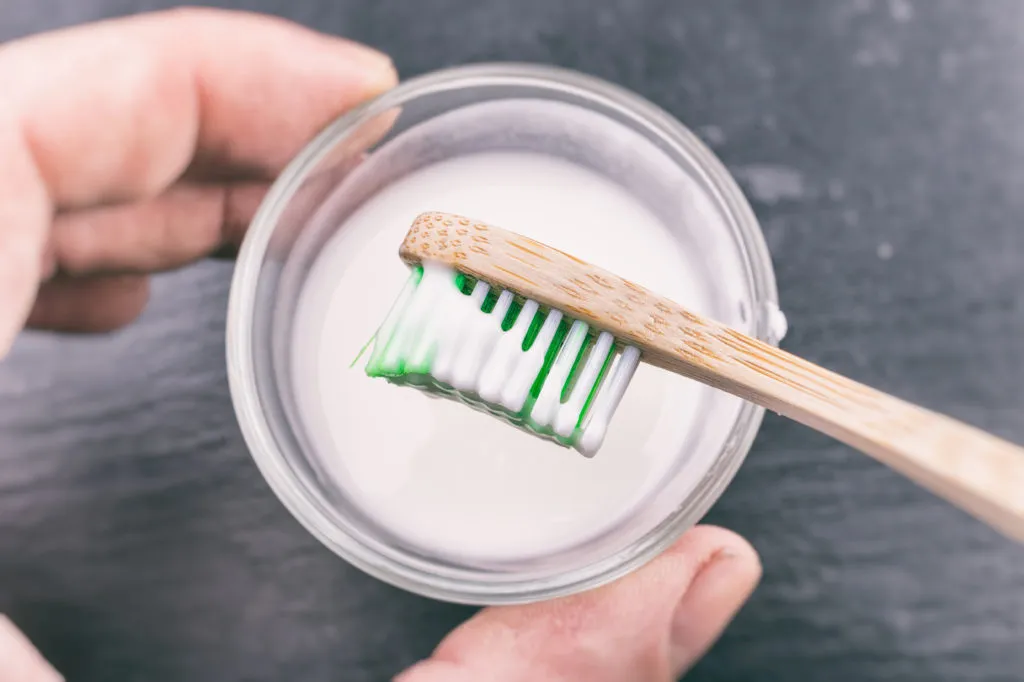
Top 5 Baking Soda Toothpaste Teeth Whitening Facts
Achieving a brighter, whiter smile is a goal for many, and the quest for effective teeth whitening solutions often leads people to explore natural remedies. Among these, baking soda toothpaste and the use of tin foil have gained attention. This article delves into the top 5 facts about using baking soda toothpaste for teeth whitening, including its effectiveness, safety considerations, and alternative methods. Understanding the facts can help you make informed decisions about your dental care routine and achieve the desired results safely. Let’s explore these facts and uncover the truth behind these popular teeth whitening methods. Remember to consult with a dentist for personalized advice.
Fact 1 Baking Soda’s Whitening Power
Baking soda, also known as sodium bicarbonate, has long been touted as a natural teeth whitener. Its effectiveness stems from its mild abrasive nature, which helps to scrub away surface stains on the teeth. This abrasive action can remove stains caused by coffee, tea, wine, and other foods, leading to a brighter smile. However, it’s important to understand that baking soda is not a bleaching agent like some professional whitening treatments. Instead, it cleans the surface of the teeth. Using baking soda, in combination with proper brushing techniques, can help maintain the natural whiteness of your teeth, but it won’t significantly change their inherent color.
Understanding the Abrasive Nature

The abrasive quality of baking soda is key to its whitening effect. When used, tiny particles gently scrub the enamel surface, removing stain-causing substances. This physical action is what makes baking soda an effective cleaning agent. However, the same abrasive properties mean that overuse can potentially damage the enamel over time. Excessive scrubbing can lead to enamel erosion, making teeth more susceptible to sensitivity and decay. Thus, moderation and proper brushing techniques are essential when using baking soda to whiten teeth. It’s advisable to use a soft-bristled toothbrush and gentle circular motions to minimize the abrasive impact.
How Baking Soda Works on Stains
Stains on teeth come from various sources, including food, drinks, and smoking. Baking soda works by disrupting the bonds that hold these stains to the enamel. It physically removes these stain particles, revealing the brighter surface underneath. Although effective for surface stains, baking soda has limited impact on intrinsic stains, those within the tooth structure. Therefore, it’s most effective for removing everyday stains, like those from coffee or tea. Regular use can help maintain a clean surface, but it won’t completely change the underlying color of your teeth. For deeper stains, professional whitening treatments are usually required.
Fact 2 Tin Foil’s Role in Whitening
The combination of baking soda and tin foil is a DIY whitening method that has been circulating online, but it’s crucial to approach it with caution. The premise involves creating a paste of baking soda and water and applying it to the teeth, then wrapping the teeth with tin foil. The tin foil is believed to enhance the whitening effect by creating a reflective surface that supposedly increases the baking soda’s contact time with the teeth. However, there is no scientific evidence to support the idea that tin foil significantly boosts the whitening results. Moreover, the use of tin foil can be impractical and potentially damaging if not done carefully.
Creating the Foil and Baking Soda Paste

To use this method, you mix baking soda with water to form a paste. The consistency should be thick enough to stick to your teeth but not so thick that it’s difficult to apply. Some people add a small amount of hydrogen peroxide to the paste, but this is not recommended without professional guidance. The paste is then applied to the teeth, and strips of tin foil are placed over the teeth, covering them completely. This can be a messy process, and it’s essential to ensure the paste reaches all tooth surfaces. The application process should be carried out carefully to avoid irritation or damage to the gums.
The Application Process
After applying the paste and covering the teeth with tin foil, it’s recommended to leave it on for a few minutes, typically between 3 and 10 minutes. During this time, you should avoid swallowing any of the paste. Once the time is up, remove the tin foil and thoroughly rinse your mouth. This method should not be performed frequently, as it can lead to enamel erosion and tooth sensitivity. It’s essential to consult with a dentist before trying this method, as it may not be suitable for everyone. Regular professional dental check-ups and cleanings are the best ways to maintain optimal oral health.
Fact 3 Effectiveness of Baking Soda Toothpaste
The effectiveness of baking soda toothpaste varies depending on individual factors such as the type and severity of stains, the frequency of use, and the overall oral hygiene routine. For some, baking soda toothpaste can provide noticeable whitening results, especially when used consistently. It is particularly effective at removing surface stains caused by coffee, tea, and smoking. However, the whitening effect is usually not as dramatic as professional whitening treatments. It works best as a supplement to regular brushing with fluoride toothpaste, not as a standalone solution. The results can also depend on the quality and formulation of the baking soda toothpaste.
Comparing with Other Whitening Methods

Compared to other teeth whitening methods, such as professional treatments and over-the-counter whitening strips, baking soda toothpaste offers a more gradual and less potent approach. Professional whitening treatments, which often use high concentrations of hydrogen peroxide, can provide faster and more significant results. Over-the-counter whitening strips are another option, but they may cause sensitivity in some users. Baking soda toothpaste, on the other hand, is typically gentler and can be a more affordable option. However, it may take longer to see noticeable improvements, and the results might not be as dramatic. The best approach depends on your needs and preferences.
Measuring the Whitening Results
To measure the whitening results, it is crucial to establish a baseline. Before starting to use baking soda toothpaste, take a picture of your teeth. Then, track your progress by taking photos regularly, perhaps every week or two, to compare the changes. You may also notice a difference in how your teeth feel, as baking soda can remove the plaque and film that accumulate on the tooth surfaces. Keep in mind that the results can vary, and it may take several weeks or months to see visible improvements. If you don’t notice any changes or experience any side effects, it’s best to consult your dentist for guidance.
Fact 4 Safety Considerations for Teeth
While baking soda is generally considered safe when used in moderation, it is important to be aware of potential risks. Overuse of baking soda toothpaste can lead to enamel erosion, which can make your teeth more sensitive to hot and cold temperatures. This can also increase the risk of cavities and other dental problems. Additionally, the abrasive nature of baking soda can irritate the gums, leading to inflammation and discomfort. Always use a soft-bristled toothbrush and apply gentle pressure while brushing. If you experience any sensitivity or discomfort, reduce the frequency of use or consult with your dentist.
Potential Risks of Overuse

Overusing baking soda toothpaste can cause several potential problems for your teeth. The most significant risk is the erosion of tooth enamel. Once enamel is eroded, it cannot be restored, leading to increased sensitivity and making your teeth more vulnerable to decay. Regular and excessive scrubbing can also damage your gums, causing them to recede and potentially expose the roots of your teeth. This can lead to even more sensitivity and increase the risk of dental problems. It is essential to use baking soda with caution and consult with a dentist if you are considering using it frequently.
Recommendations for Sensitive Teeth
If you have sensitive teeth, using baking soda may not be the best option. The abrasive nature of baking soda can exacerbate sensitivity. In this case, consider switching to a toothpaste designed for sensitive teeth. These toothpastes often contain ingredients like potassium nitrate, which help to block the pain signals from your teeth. If you still want to use baking soda, do so very sparingly and always use a soft-bristled toothbrush. It is also essential to consult with your dentist to determine the best course of action for your specific needs and dental health.
Fact 5 Alternative Natural Whitening Methods
If you are looking for alternative natural teeth whitening methods, several options are available. While not all methods have scientific backing, some have shown promise. These alternatives offer varying levels of effectiveness and require a careful approach. It’s always recommended to consult with your dentist before trying new methods to ensure they are safe and suitable for your dental health.
Coconut Oil Pulling for Whitening

Coconut oil pulling involves swishing coconut oil in your mouth for 15-20 minutes to remove bacteria and potentially reduce plaque. Some users claim this practice can help whiten teeth. Coconut oil is believed to have properties that can pull away bacteria and stains from the teeth. While some people find coconut oil pulling beneficial for oral health, scientific evidence supporting its whitening capabilities is limited. Coconut oil pulling may contribute to a cleaner mouth and could potentially improve the appearance of your teeth, but it is not a substitute for professional whitening treatments. Consistency is key if you choose this method.
Using Lemon Juice with Caution
Lemon juice has been promoted as a natural teeth whitener due to its acidity. However, using lemon juice directly on your teeth is not recommended. The high acidity can erode enamel, leading to increased sensitivity and long-term dental problems. If you choose to use lemon juice for whitening, it should be diluted significantly with water. Even then, it should only be used sparingly, and you should rinse your mouth thoroughly with water afterward. Due to the potential risks, consulting a dentist before using lemon juice for teeth whitening is essential. Professional dental care is always the safest and most effective way to whiten teeth.