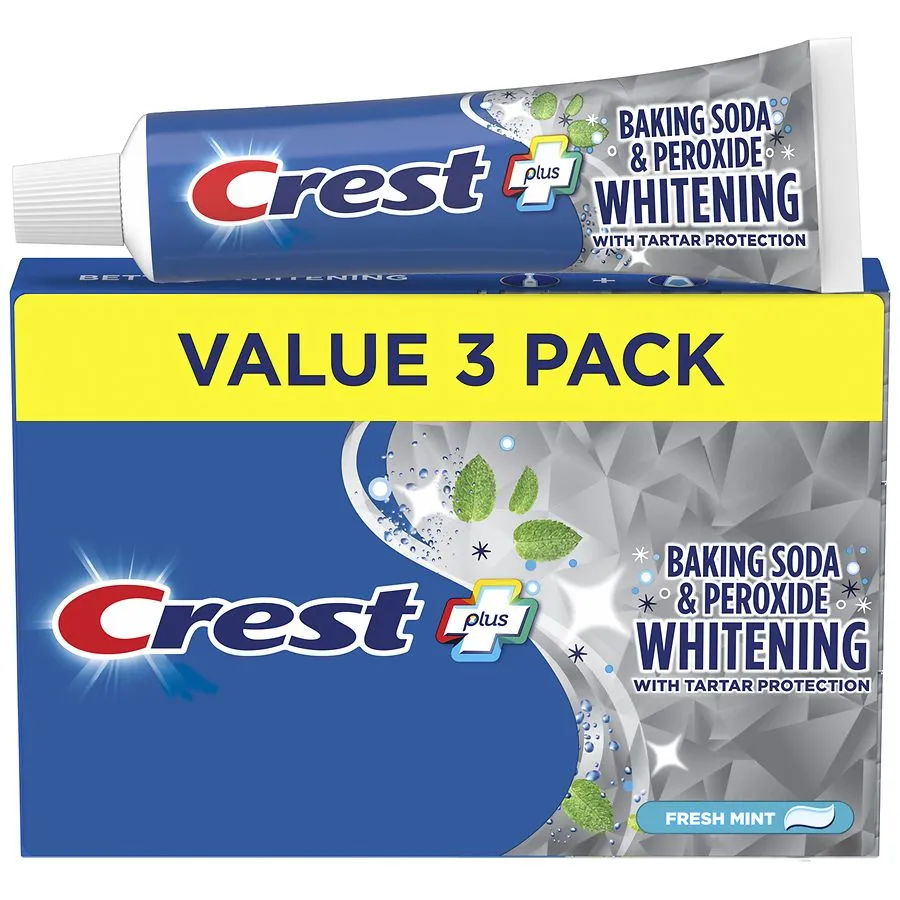
Understanding Baking Soda & Peroxide for Teeth Whitening
The quest for a brighter, more confident smile often leads individuals to explore various teeth whitening methods. Among the most accessible and affordable options is the use of baking soda and hydrogen peroxide. This dynamic duo has gained popularity for its potential to remove stains and brighten teeth. This article delves into the science behind this popular method, offering a comprehensive guide to help you understand how to safely and effectively use baking soda and peroxide for a whiter smile. We will uncover the secrets to maximizing their whitening potential while minimizing potential risks, providing you with the knowledge to make informed decisions about your oral care routine. By understanding the fundamentals, you can embark on a journey toward a more radiant smile with confidence.
The Science Behind Baking Soda and Peroxide
The effectiveness of baking soda and hydrogen peroxide in teeth whitening stems from their unique chemical properties. Baking soda, a mild abrasive, helps to scrub away surface stains. Hydrogen peroxide, on the other hand, acts as a bleaching agent, penetrating the enamel to break down stain-causing molecules within the tooth structure. When used together, they create a synergistic effect, combining the abrasive action of baking soda with the stain-removing power of peroxide. This dual action can effectively target both extrinsic (surface) and intrinsic (internal) stains, leading to a noticeable improvement in the whiteness of your teeth. However, it is essential to understand the mechanics of each component to ensure safe and effective usage.
How Baking Soda Works

Baking soda, or sodium bicarbonate, is a fine, crystalline powder that acts as a gentle abrasive. This abrasive quality is crucial in removing surface stains caused by coffee, tea, tobacco, and other staining agents. The microscopic particles of baking soda gently scrub the teeth, dislodging stain molecules without excessively damaging the enamel. Moreover, baking soda has a slightly alkaline pH, which helps neutralize acids in the mouth. These acids, produced by bacteria and food, can erode enamel and contribute to tooth discoloration. By creating a less acidic environment, baking soda can help protect teeth from further staining and decay. The mechanical action of baking soda, combined with its pH-balancing properties, contributes to its effectiveness in teeth whitening.
How Peroxide Works
Hydrogen peroxide is a bleaching agent that penetrates the tooth enamel and breaks down stain molecules within the tooth structure. This is the primary mechanism through which hydrogen peroxide whitens teeth. The peroxide molecules release oxygen free radicals that react with the stained organic compounds, effectively decolorizing them. The concentration of hydrogen peroxide is a critical factor. Lower concentrations are often used in over-the-counter products, while higher concentrations are typically used in professional dental treatments. It is essential to use the recommended concentration and follow all safety guidelines to minimize potential risks. The bleaching action of hydrogen peroxide offers a deeper and more effective whitening effect than surface abrasion alone, contributing to a more radiant smile.
Top 7 Secrets for Whitening Teeth
Secret 1 Use the Right Ratio

Achieving the perfect balance between baking soda and hydrogen peroxide is crucial for optimal results. A common and effective ratio is to mix one teaspoon of baking soda with two teaspoons of hydrogen peroxide. This ratio ensures that the abrasive action of baking soda is balanced with the bleaching power of peroxide. You can adjust the amount slightly based on your preference and sensitivity. Always aim for a paste-like consistency; too much peroxide can lead to increased sensitivity, while too little may reduce the effectiveness. Experimenting a little may be necessary, but starting with this ratio provides a safe and effective foundation for your teeth whitening efforts.
Secret 2 Proper Brushing Technique
The way you brush is as important as the ingredients you use. Use a soft-bristled toothbrush and gently brush your teeth in circular motions for about two minutes. Avoid applying excessive pressure, as this can wear down enamel and cause sensitivity. Make sure to cover all surfaces of your teeth, including the front, back, and chewing surfaces. Thoroughly rinse your mouth after brushing to remove all traces of the paste. Proper brushing technique ensures that the whitening agents make optimal contact with the teeth, enhancing their effectiveness. Gentle, consistent brushing is the key to achieving a brighter smile without damaging your teeth.
Secret 3 Frequency of Application
Overuse of baking soda and peroxide can lead to enamel erosion and increased tooth sensitivity. It is generally recommended to use this method no more than once or twice a week. This frequency strikes a balance between achieving whitening results and protecting the health of your teeth. Pay attention to how your teeth feel. If you experience increased sensitivity, reduce the frequency or discontinue use. You can incorporate this treatment into your regular oral hygiene routine as a supplementary whitening method, but always prioritize the health and safety of your teeth. Consistent, but measured, application is the key to success.
Secret 4 Choosing the Right Peroxide

When selecting hydrogen peroxide, opt for a 3% solution, which is readily available at most drugstores. This concentration is generally considered safe for home use. Avoid using higher concentrations without professional guidance, as they can cause significant damage to your gums and teeth. Ensure the peroxide is fresh and has not expired. Always check the label for any specific warnings or instructions. Choosing the right peroxide ensures safety and effectiveness. If you have any concerns, consult with your dentist to determine the best type of peroxide for your needs.
Secret 5 Baking Soda Grades & Forms
Baking soda is typically available in various grades and forms. For teeth whitening, use food-grade baking soda. This type is refined to remove impurities and is safe for ingestion in small amounts. Avoid using industrial-grade baking soda, which may contain contaminants that are harmful to your teeth and overall health. Always check the label to ensure you are using the correct type. Storing your baking soda properly is also essential; keep it in a cool, dry place away from moisture to maintain its effectiveness. Selecting the right grade of baking soda ensures the safety and efficacy of your teeth whitening efforts.
Secret 6 Avoiding Sensitivity
Tooth sensitivity is a common side effect of teeth whitening. If you experience sensitivity while using baking soda and peroxide, there are several steps you can take. Reduce the frequency of application, use a lower concentration of peroxide, or mix the baking soda and peroxide with a small amount of water to dilute the mixture. You can also apply a desensitizing toothpaste before and after each treatment. Be sure to consult with your dentist if sensitivity persists or worsens. Avoiding sensitivity is crucial for a comfortable teeth whitening experience. Listen to your teeth, and adjust your routine accordingly to minimize any discomfort.
Secret 7 Maintaining Results

Maintaining the results of your teeth whitening efforts requires a proactive approach to oral hygiene. Brush your teeth twice daily with fluoride toothpaste. Floss daily to remove plaque and food particles from between your teeth. Avoid or limit consumption of stain-causing foods and drinks, such as coffee, tea, red wine, and dark-colored berries. Regular dental check-ups and cleanings are essential to remove plaque and tartar, keeping your teeth looking bright. Consider using a whitening toothpaste or mouthwash to further enhance and maintain your results. By following these guidelines, you can enjoy a brighter smile for an extended period. Proper maintenance ensures your teeth remain radiant and healthy.
Safety Precautions and Potential Risks
Side Effects and Risks
While baking soda and hydrogen peroxide are generally safe when used correctly, there are potential side effects and risks to be aware of. Tooth sensitivity is a common side effect, particularly if you overuse the method. Gum irritation and inflammation can occur if the mixture comes into contact with the gums for extended periods. Prolonged use can also lead to enamel erosion, making your teeth more vulnerable to decay and damage. It is crucial to use the correct ratio, avoid excessive brushing, and listen to your body. If you experience any adverse effects, discontinue use and consult with your dentist. Awareness of the risks allows you to take proactive steps to protect your teeth while whitening them.
When to Consult a Dentist

It is always advisable to consult with your dentist before starting any teeth whitening treatment, especially if you have sensitive teeth, gum disease, or other dental issues. Your dentist can assess the health of your teeth and gums and determine if this method is appropriate for you. Seek professional advice if you experience persistent sensitivity, pain, or any other unusual symptoms. Your dentist can provide guidance, address any concerns, and recommend alternative whitening options if needed. Regular dental check-ups are essential to monitor the health of your teeth and prevent any potential problems. Consulting with a dentist ensures your teeth whitening journey is safe and effective.
Alternatives to Baking Soda & Peroxide
Professional Teeth Whitening Options
If you are looking for more dramatic and long-lasting results, professional teeth whitening is an excellent option. Your dentist can perform in-office whitening treatments using high-concentration bleaching agents under controlled conditions. They also offer custom-fitted whitening trays that you can use at home with professional-strength bleaching gels. Professional whitening is generally more effective than DIY methods and provides quicker, more visible results. It is also safer, as it is performed under the supervision of a dental professional. Consider professional teeth whitening for a significant upgrade in your smile’s brightness and overall appearance. These treatments are ideal for people seeking a more permanent and enhanced whitening solution.
Over-the-Counter Whitening Products

Over-the-counter whitening products offer a convenient and readily accessible alternative to DIY methods and professional treatments. These include whitening toothpaste, strips, and gels. Whitening toothpastes typically contain mild abrasives or chemicals that help remove surface stains. Whitening strips and gels contain hydrogen peroxide, which brightens teeth through a bleaching action. Always follow the product instructions carefully and choose products approved by dental professionals. Although over-the-counter products may not provide the same dramatic results as professional treatments, they can still improve the appearance of your teeth and are a good option for maintenance. Selecting the right product can make a noticeable difference in your smile.
Conclusion
Baking soda and hydrogen peroxide can be a safe and effective way to whiten your teeth when used correctly. By understanding the science behind these ingredients, following the recommended guidelines, and being mindful of potential risks, you can achieve a brighter smile. Remember to prioritize the health of your teeth and consult with your dentist if you have any concerns. Exploring alternative whitening options, like professional treatments or over-the-counter products, may be beneficial for achieving your desired results. With proper knowledge and care, you can confidently embark on your journey towards a radiant, more confident smile. Prioritize your oral health and enjoy the benefits of a brighter smile.