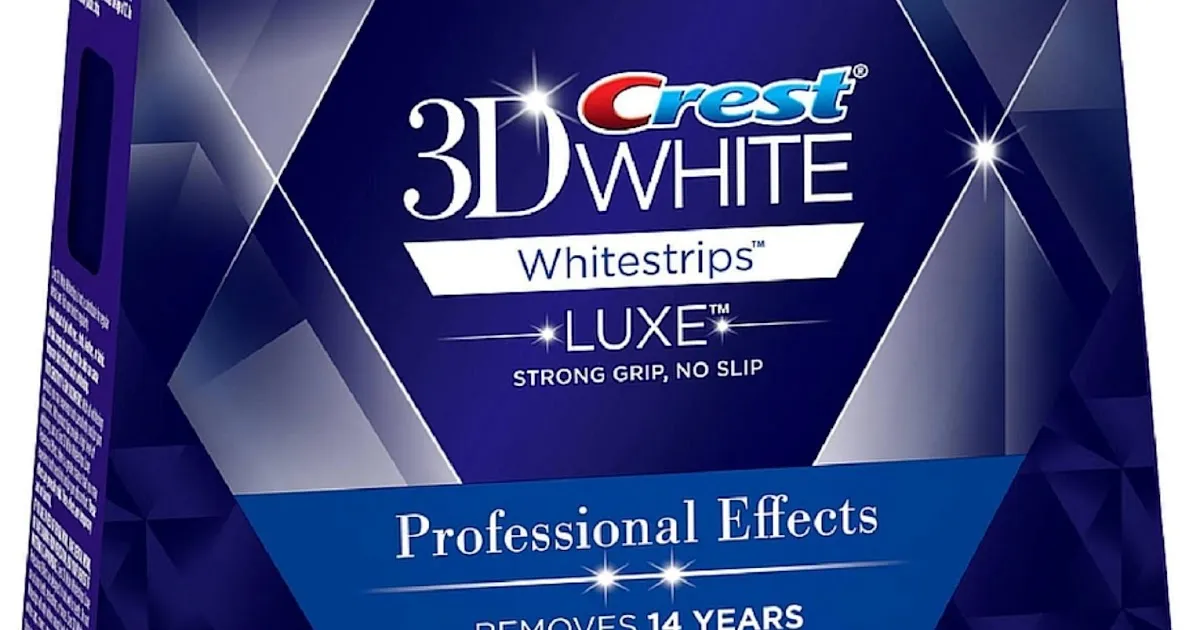
What are Crest Whitening Strips?
Crest Whitening Strips are a popular over-the-counter teeth whitening product. These strips are thin, flexible plastic strips coated with a hydrogen peroxide-based whitening gel. Designed to adhere to the surface of your teeth, they promise to lighten stains and brighten your smile. The convenience and accessibility of Crest Whitening Strips have made them a staple in many people’s oral hygiene routines. However, understanding their potential impact on your dental health is crucial before incorporating them into your routine. These strips offer an easy at-home solution, but it’s essential to be well-informed about how they work and what effects they may have on your teeth and gums.
How do Crest Whitening Strips Work?
The active ingredient in Crest Whitening Strips is usually hydrogen peroxide. This chemical agent penetrates the enamel of your teeth and breaks down the stain molecules that cause discoloration. The hydrogen peroxide oxidizes these stains, effectively lightening the shade of your teeth. The concentration of hydrogen peroxide varies depending on the specific product, with higher concentrations often promising faster results. The strips are designed to be applied directly to your teeth, ensuring the whitening gel comes into close contact with the stained surfaces. For optimal results, it’s essential to follow the product instructions carefully, paying attention to the recommended duration and frequency of use to achieve the desired whitening effect without causing damage.
Are Crest Whitening Strips Bad for Your Teeth? Top 5 Facts

While Crest Whitening Strips can effectively whiten teeth, it’s important to understand the potential risks associated with their use. Several factors can contribute to adverse effects on your dental health. Here are five key facts to consider before using these whitening strips, focusing on potential drawbacks and how they might affect your teeth and overall oral health. Making an informed decision is crucial, and being aware of these potential issues will help you to use the product safely and responsibly.
Fact 1 Sensitivity and Irritation
One of the most common side effects of using Crest Whitening Strips is tooth sensitivity. The hydrogen peroxide in the strips can irritate the nerves in your teeth, causing a temporary increase in sensitivity to hot or cold foods and drinks. This sensitivity usually subsides shortly after you stop using the strips. Gum irritation is another potential issue, with the whitening gel sometimes coming into contact with the gums. This can lead to inflammation, redness, and soreness. The intensity of these effects varies from person to person, with some individuals experiencing mild discomfort, while others may have a more pronounced reaction. Understanding these potential reactions is important to manage and mitigate any discomfort effectively.
Fact 2 Enamel Erosion
Overuse or misuse of Crest Whitening Strips can potentially lead to enamel erosion, which is the wearing away of the protective outer layer of your teeth. While the hydrogen peroxide in the strips is designed to break down stains, it can also weaken the enamel if used excessively or if the concentration is too high. Enamel erosion can make your teeth more susceptible to cavities, sensitivity, and further discoloration. The risk of enamel erosion increases with more frequent and prolonged use of the strips. Therefore, adhering to the manufacturer’s instructions and avoiding overuse is important to protect your enamel and maintain your oral health. Regular dental check-ups can help detect early signs of enamel erosion and allow for appropriate interventions.
Fact 3 Gum Damage

The whitening gel in Crest Whitening Strips can cause gum damage if it comes into contact with your gums. The hydrogen peroxide can irritate or even burn the soft tissues of the gums, resulting in redness, swelling, and soreness. This is more likely to occur if the strips are not applied properly or if they extend beyond the teeth. Poor application can lead to uneven whitening and increased risk of gum irritation. Proper placement of the strips is essential to ensure that the gel is primarily in contact with the teeth and avoids direct contact with the gums. If you experience any gum irritation, it’s advisable to reduce the frequency of use or discontinue using the strips and consult a dentist.
Fact 4 Allergic Reactions
Although rare, some individuals may experience allergic reactions to the ingredients in Crest Whitening Strips. These reactions can manifest as skin rashes, itching, or swelling. The specific allergens can vary, but some people may be sensitive to hydrogen peroxide or other additives in the strips. If you notice any signs of an allergic reaction, it is crucial to stop using the product immediately and consult with a healthcare professional. Carefully review the ingredient list before use, especially if you have known allergies. Allergic reactions highlight the importance of being aware of the ingredients in any cosmetic product and monitoring your body’s response during and after use.
Fact 5 Inconsistent Results
The effectiveness of Crest Whitening Strips can vary depending on the type of stains and the individual’s oral health. Some people may achieve significant whitening results, while others may see minimal improvement. Certain types of stains, such as those caused by tetracycline antibiotics or intrinsic discoloration, may not respond well to the strips. The degree of whitening also depends on the initial shade of your teeth and the frequency of use. Factors such as the porosity of your enamel can also influence the effectiveness of the whitening process. Before starting treatment, setting realistic expectations is important, and discussing your goals with a dentist can help you determine if Crest Whitening Strips are the best option for your teeth.
How to Use Crest Whitening Strips Safely
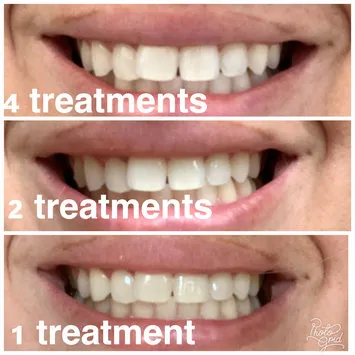
To minimize the potential risks associated with Crest Whitening Strips and ensure safe usage, several precautions should be followed. Proper application and adherence to instructions are crucial for reducing the likelihood of side effects and maximizing the benefits. Being aware of the potential issues discussed above and using the product responsibly can help you achieve a brighter smile while protecting your oral health. Remember that consistency, caution, and awareness are the keys to achieving the desired results safely and effectively.
Consultation with a Dentist
Before starting any teeth-whitening treatment, consulting your dentist is essential. A dentist can assess your oral health and determine if Crest Whitening Strips are a suitable option. They can also advise you on the best way to use the product to minimize potential risks. Your dentist can identify any existing dental issues, such as cavities or gum disease, which might make you a poor candidate for whitening. They can also provide professional advice based on your unique needs and dental history. Consulting with a dentist ensures you receive personalized guidance and can help you achieve the best possible results safely and effectively.
Following Product Instructions
Always follow the manufacturer’s instructions when using Crest Whitening Strips. This includes the recommended duration of use, the frequency of application, and any specific guidelines for application and removal. Overuse can increase the risk of sensitivity, enamel erosion, and gum irritation. Reading and following these instructions will help ensure you are using the product as intended and reduce the likelihood of adverse effects. If you have any questions or concerns, consult your dentist or the product’s customer service for clarification. Following the instructions is key to achieving the best results while minimizing potential harm.
Limiting Use

To minimize potential side effects, it is crucial to limit the use of Crest Whitening Strips. Avoid using the strips more frequently or for a longer duration than recommended by the manufacturer. Once you have achieved the desired results, it’s best to reduce the frequency of use or discontinue use altogether. Extended use can increase the risk of dental issues. Consider using the strips for touch-ups only when necessary to maintain your brighter smile without overexposing your teeth to the whitening agent. This approach can help you balance the benefits of whitening with the need to protect your oral health.
Alternatives to Crest Whitening Strips
If you are concerned about the potential risks associated with Crest Whitening Strips, several alternatives offer different approaches to teeth whitening. These alternatives range from professional treatments to over-the-counter products that may be gentler on your teeth. Exploring these options can help you find a whitening method that suits your needs and preferences while minimizing potential side effects. Each alternative has its own advantages and considerations, and discussing these with your dentist can help you choose the best option.
Professional Teeth Whitening
Professional teeth whitening, performed by a dentist, is a highly effective way to whiten your teeth. Dentists use stronger concentrations of whitening agents than those available in over-the-counter products, which can provide more dramatic results. They also take precautions to protect your gums and teeth during the procedure. Professional whitening can address stubborn stains and discoloration that over-the-counter products may not be able to remove. While it is more expensive than using strips, it offers the advantage of being performed under the supervision of a dental professional. This can minimize the risk of sensitivity and other side effects, ensuring a safer and more effective whitening experience.
Whitening Toothpaste

Whitening toothpaste contains mild abrasives and chemical agents that help remove surface stains from your teeth. These toothpastes are a gentler option compared to Crest Whitening Strips. They can help maintain the brightness of your teeth and prevent new stains from forming. While they may not provide as dramatic results as other whitening methods, whitening toothpastes are a good option for everyday use. The key is consistency. Using a whitening toothpaste regularly can help maintain your teeth’s brightness and prevent new stains. Look for toothpastes that contain ingredients like hydrogen peroxide or baking soda to achieve the best results. Combined with a good oral hygiene routine, whitening toothpaste can contribute to a brighter smile.
The Bottom Line
Crest Whitening Strips can be a convenient way to whiten your teeth, but it’s important to be aware of the potential risks. Tooth sensitivity, enamel erosion, gum damage, and allergic reactions are all possible side effects. By understanding how these strips work, using them correctly, and considering alternatives, you can make informed decisions about your oral care. Consulting with your dentist and following product instructions are crucial steps in ensuring that you achieve a brighter smile safely. A healthy smile is essential, and with proper care, you can enjoy the benefits of a brighter smile while preserving your overall dental health.