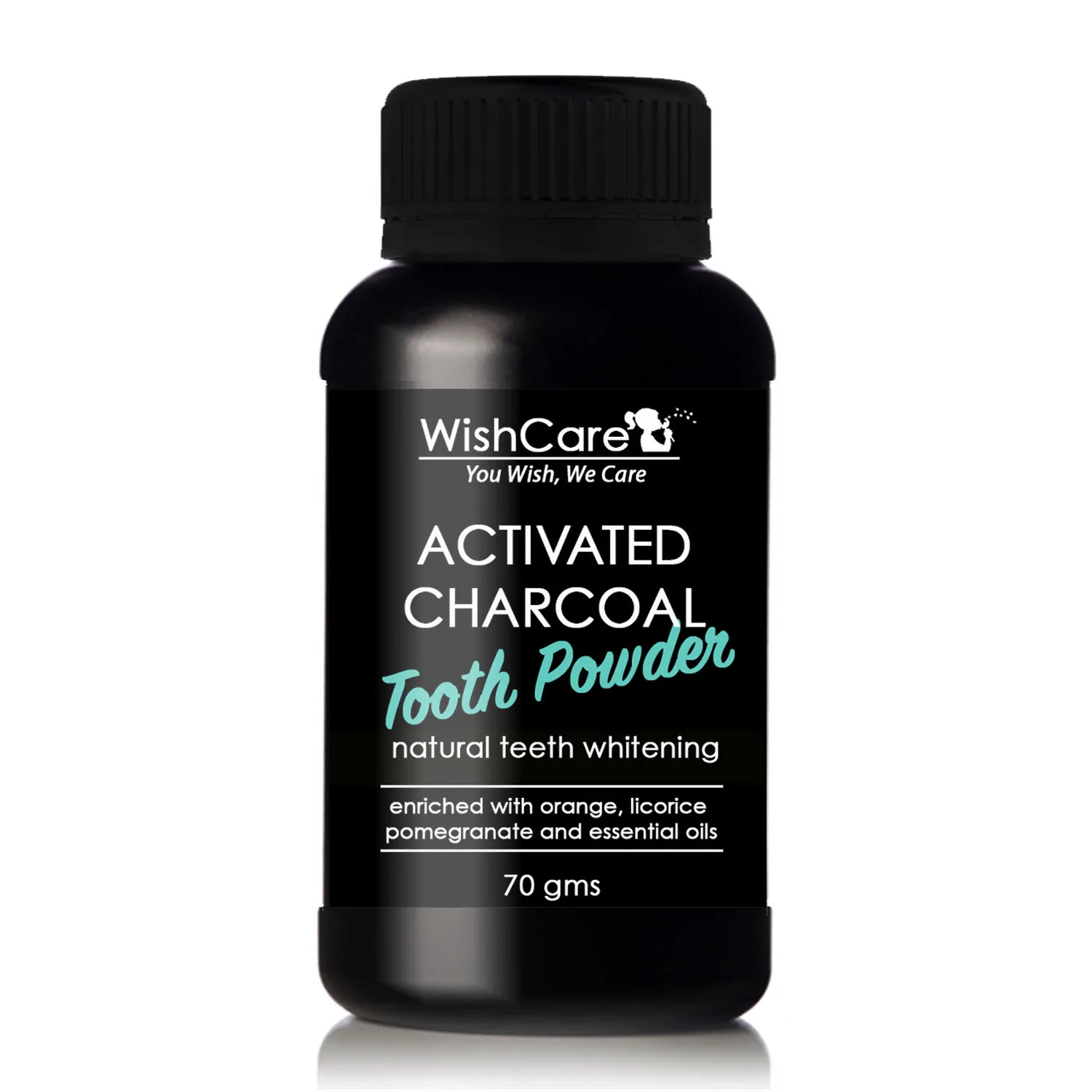
Achieving a brighter smile is a common desire, and many people are turning to natural remedies for teeth whitening. Activated charcoal has gained popularity as a potential solution. This guide explores how activated charcoal can be used for natural teeth whitening. It delves into the science behind it, how to use it safely, and what to expect. This comprehensive guide will help you understand the use of activated charcoal for a brighter, healthier smile.
What is Activated Charcoal and How Does It Work?
Activated charcoal is a fine black powder made from various carbon-rich materials, such as wood, coconut shells, or bamboo. It is processed at high temperatures to create a porous structure. This unique structure is what gives activated charcoal its absorbent properties. Unlike the charcoal used for grilling, activated charcoal is safe for use. It works by binding to substances, like stains and toxins, within the body. The porous nature of activated charcoal allows it to trap these particles. It does not get absorbed by the body. This makes it effective for removing surface stains from teeth.
The Science Behind Activated Charcoal for Teeth Whitening
The effectiveness of activated charcoal for teeth whitening comes from its adsorption properties. The porous surface of the charcoal attracts and binds to stain molecules on the teeth. This is how it removes stains from coffee, tea, wine, and other foods. However, it is important to understand that activated charcoal works mainly on surface stains. It does not alter the intrinsic color of the teeth. The whitening effect is usually the result of removing these stains. This action can make the teeth appear brighter. While some studies support its use, more research is needed to fully understand its long-term effects on dental health.
Understanding the Benefits of Activated Charcoal
The main benefit of activated charcoal is its ability to remove surface stains. This results in a brighter smile. Many users also appreciate its natural origin and minimal chemical composition. Compared to some commercial whitening products, it is often seen as a gentler alternative. Some people find that it helps freshen breath. It does this by absorbing odor-causing compounds. Because it is inexpensive and readily available, activated charcoal is an attractive option. It is also a potential addition to your oral hygiene routine. As with any new oral care practice, consult your dentist before regular use.
Removing Surface Stains with Activated Charcoal
Activated charcoal is effective at removing surface stains caused by various factors. Food and drinks, such as coffee, tea, and red wine, are common culprits. Smoking and tobacco use can also cause discoloration. The abrasive nature of activated charcoal helps to lift these stains from the enamel surface. The charcoal particles gently scrub away the stains. It is important to note that activated charcoal is most effective for extrinsic stains. These are stains on the surface of the teeth. It does not lighten the intrinsic color of the teeth. This is the natural shade of the dentin under the enamel.
How to Choose the Right Activated Charcoal Product?
When choosing an activated charcoal product, consider a few key factors. Look for products specifically made for dental use. This ensures the charcoal is safe and effective. Check the source of the charcoal. Coconut shell and bamboo-derived charcoal are common. These are considered safe for dental use. Avoid products with added chemicals, flavors, or sweeteners. Pure activated charcoal powder is the most straightforward option. Toothpastes and other products containing activated charcoal are also available. However, make sure the product is certified and the manufacturer is reliable. Read reviews to understand the experiences of other users.
Selecting the Best Activated Charcoal Products

The market offers a range of activated charcoal products. Pure activated charcoal powder is one of the most popular choices. It is versatile and can be mixed with water to form a paste. Charcoal toothpastes are convenient. These products often combine activated charcoal with other ingredients, such as fluoride. When choosing, look for brands that have a reputation for quality and safety. Read product labels to ensure they are free from harsh additives. Consider the product’s abrasiveness. Products that are too abrasive can damage tooth enamel. Research the brand and read reviews before making a purchase.
A Step by Step Guide to Using Activated Charcoal
Using activated charcoal for teeth whitening is a simple process. It involves a few key steps. First, it is important to prepare your teeth. Then, you apply the activated charcoal. Finally, brush and rinse thoroughly. Following this step-by-step guide can help you incorporate activated charcoal into your oral hygiene routine safely and effectively. It is important to understand the process. Be mindful of the potential side effects and follow all precautions. Consistent, careful use can help you achieve a brighter smile.
Step 1 Preparing Your Teeth
Before using activated charcoal, gently brush your teeth with plain water to remove loose food particles. Make sure your toothbrush is slightly wet. This will help the charcoal adhere to the bristles. Avoid using toothpaste at this stage, as you want to assess the charcoal’s effect without any other ingredients. If you have any existing dental issues, like sensitive teeth or gum problems, consult your dentist before proceeding. This step is crucial for a safe and effective experience. It ensures that the activated charcoal is applied to a clean surface and minimizes the risk of any adverse reactions.
Step 2 Applying the Activated Charcoal

There are several ways to apply activated charcoal. The most common method is to dip a wet toothbrush into the charcoal powder. Apply a small amount of charcoal. It is important not to overdo it. If you are using a toothpaste, apply a pea-sized amount to your toothbrush. Gently brush your teeth using small, circular motions. Make sure all surfaces are covered. The brushing should be done carefully to avoid any damage. This step ensures that all areas of your teeth are exposed to the activated charcoal. This is a crucial step to achieve optimal whitening.
Step 3 Brushing and Rinsing
Brush your teeth with the activated charcoal for about two minutes. This allows enough time for the charcoal to bind with the stains. Rinse your mouth thoroughly with water. You may need to rinse several times. This removes the charcoal from your teeth and gums. Be prepared for the mess. The charcoal can be black and can stain your sink and clothes. Brush your teeth again with regular toothpaste. This helps to remove any remaining charcoal particles. This is also helps to remineralize your teeth. This final step ensures that all charcoal residue is gone. It leaves your mouth feeling fresh and clean.
What to Expect after Using Activated Charcoal
After using activated charcoal, you may notice a temporary increase in teeth brightness. This is due to the removal of surface stains. The results vary depending on the existing stains. Consistent use over a period of weeks can lead to more noticeable whitening. Some users experience a smoother feel to their teeth. This is a result of the removal of plaque and debris. It is crucial to be patient. Results may not be immediate. If you experience any discomfort, discontinue use and consult your dentist. It is also important to maintain a good oral hygiene routine. Continue brushing and flossing regularly.
Potential Side Effects and Precautions

While activated charcoal is generally safe, there are potential side effects. Overuse can lead to enamel erosion. This happens because charcoal is abrasive. Sensitivity is another possible side effect. Some users experience increased sensitivity, especially if they have existing dental issues. If you have any dental work, such as fillings, crowns, or veneers, it is important to consult your dentist before using activated charcoal. The charcoal can stain these materials. It is important to stop using activated charcoal if you experience any adverse reactions. If you are not sure, consult your dentist before proceeding.
Alternatives to Activated Charcoal for Whitening
If you are looking for alternatives to activated charcoal, several options are available. Whitening toothpastes containing ingredients like hydrogen peroxide can help remove surface stains. Professional teeth whitening treatments, such as in-office bleaching, are also effective. These treatments can provide more dramatic results. Over-the-counter whitening strips and gels are another option. These products can be effective. They contain a lower concentration of whitening agents than professional treatments. When choosing an alternative, consider your needs and consult your dentist. Your dentist will help you determine which treatment is right for you.
Using activated charcoal for natural teeth whitening can be a valuable addition to your oral care routine. When used correctly and with the right expectations, it can help remove surface stains and brighten your smile. To make the most of this natural method, it is important to follow the guide provided and consult with your dentist. Be patient and consistent. Along with good oral hygiene practices, you can achieve a brighter, healthier smile. Remember that while activated charcoal can remove surface stains, it does not change the intrinsic color of your teeth. Always prioritize your dental health.